How Exercise Enhances Brain Plasticity
In recent years, the connection between physical exercise and brain health has gained increased attention in scientific research and popular discourse alike. While we often associate exercise with physical health, its benefits extend far beyond the confines of fitness; a particularly intriguing area of investigation is how exercise enhances brain plasticity. This blog post seeks to delve deep into the nexus between physical activity and cognitive adaptability, elucidating how exercise can create a more resilient and adaptable brain.
Understanding Brain Plasticity
Before exploring the relationship between exercise and brain plasticity, let’s first clarify what brain plasticity is. Brain plasticity, also known as neuroplasticity, refers to the brain's ability to reorganize itself by forming new neural connections throughout life. This dynamic process enables the brain to adapt in response to experiences, learning, injury, and environmental changes.
There are two primary types of neuroplasticity:
Structural Plasticity: This involves the brain's ability to physically change its structure based on experiences. For example, learning a new skill can lead to changes in synaptic connections between neurons.
Functional Plasticity: This allows the brain to move functions from damaged areas to undamaged areas. If someone suffers a stroke, for instance, other parts of the brain can sometimes take over the affected functions.
The ability of the brain to adapt is crucial for learning, memory, recovery from injury, and overall mental well-being. So, how does exercise come into play in enhancing these capacities?
The Science Behind Exercise and Neuroplasticity
Research has consistently demonstrated that physical exercise has a profound impact on brain function and neuroplasticity. Here's a breakdown of some critical mechanisms involved:
1. Increased Brain-Derived Neurotrophic Factor (BDNF)
One of the most significant benefits of exercise is the increase in levels of Brain-Derived Neurotrophic Factor (BDNF), a protein crucial for the growth and survival of neurons. BDNF plays an essential role in:
- Promoting the growth of new neurons (neurogenesis).
- Enhancing synaptic strength and connectivity, which are vital for learning and memory.
Studies have shown that aerobic exercise, in particular, can significantly boost BDNF levels in the brain, which correlates with improvements in cognitive functions such as learning and memory.
2. Improved Blood Flow and Oxygenation
Physical activity increases blood flow to the brain, delivering essential nutrients and oxygen. Improved circulation enhances the overall health and function of brain cells. Increased blood flow also stimulates the production of chemicals that promote neuronal health and plasticity.
3. Reduction of Stress Hormones
Exercise has been documented to lower the levels of stress hormones like cortisol. Chronic stress can be detrimental to brain health, hindering neuroplasticity and increasing the risk of cognitive decline. Physical activity acts as a powerful countermeasure, helping to reduce stress and create a more conducive environment for neuroplastic changes.
4. Enhanced Cognitive Function and Learning
Engaging in regular physical activity is linked with improved executive functions, including working memory, attention, and problem-solving abilities. Enhanced cognitive performance can lead to increased opportunities for learning and social engagement, further stimulating neuroplasticity through new experiences.
5. Building Cognitive Reserve
Cognitive reserve refers to the brain's resilience against damage. Regular physical activity contributes to building cognitive reserve by promoting brain health and reducing the risk of neurodegenerative diseases. Individuals with a higher cognitive reserve can better cope with aging and related cognitive decline, thanks to a more adaptable brain.
The Types of Exercise That Benefit Neuroplasticity
Not all exercise is created equal when it comes to enhancing neuroplasticity. Here are some types of exercise that have been highlighted for their positive effects:
1. Aerobic Exercise
Activities like running, cycling, swimming, and dancing elevate heart rates and are particularly effective in increasing BDNF levels and promoting neurogenesis. Aim for at least 150 minutes of moderate aerobic activity weekly.
2. Strength Training
Resistance training not only fortifies muscles but also offers cognitive benefits. Studies suggest that strength training can improve various cognitive tasks and is associated with increased brain mass in certain regions.
3. Balance and Coordination Exercises
Activities like yoga, tai chi, and Pilates focus on balance and coordination, enhancing connectivity between different brain areas. These exercises are beneficial for both physical and mental flexibility, promoting overall brain adaptability.
4. Mind-Body Exercises
Practices that blend physical movement with mental focus, such as yoga and mindfulness, can improve not only physical health but also cognitive function and emotional well-being. These exercises may help in stress reduction, contributing to a better environment for neuroplasticity.
Incorporating Exercise into Your Daily Routine
Given the importance of physical activity for enhancing brain plasticity, it’s crucial to find ways to incorporate exercise into your daily life:
- Start Small: If you are new to exercise, begin with manageable activities and gradually increase intensity and duration.
- Find Enjoyable Activities: Choose forms of exercise that you enjoy. Whether it’s dancing, hiking, or swimming, the enjoyment factor is key to maintaining a consistent routine.
- Create a Schedule: Designate specific days and times for your workouts, treating them as important appointments.
- Mix It Up: Incorporate a variety of exercise types to keep your routine fresh and engaging.
- Incorporate Movement into Daily Life: Walk or bike instead of driving, take the stairs, or engage in short bouts of physical activity throughout the day.
Conclusion
The link between exercise and brain plasticity underscores the importance of physical activity not only for physical health but also for cognitive vitality. With increasing evidence supporting the notion that exercise enhances neuroplasticity, we have powerful motivation to embrace active lifestyles.
Engaging in regular physical activity can help foster an adaptable brain capable of thriving amidst the challenges of life. So, let’s lace up our sneakers and set out on a journey to not only strengthen our bodies but to also nourish our minds. The benefits of exercise extend to every corner of our being, so let’s commit to a lifestyle that champions both our physical and mental health for the long haul.
References for Further Reading
- For those interested in delving deeper into the science behind exercise and brain health, consider looking into scientific journals that focus on neuroscience.
- Websites of reputable health organizations often provide literature on the benefits of exercise for mental health.
- Local community centers may offer classes that combine exercise with educational workshops about brain health.
Exercise is not just a means to an end; it’s a pathway to a healthier, more resilient mind. Let's embrace this powerful tool to enhance our cognitive abilities and enrich our lives!
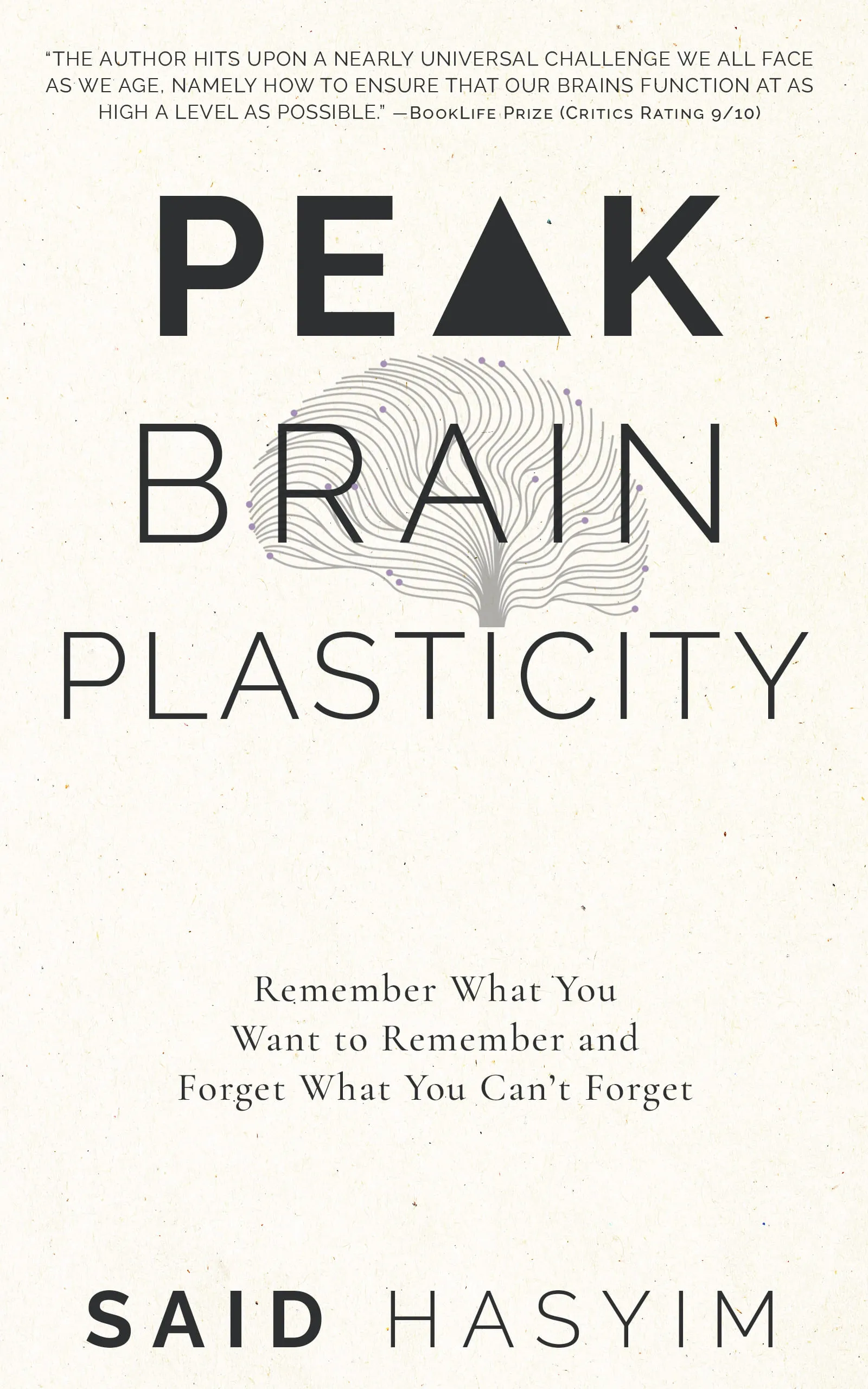
Harness the Power of Neuroplasticity
Discover Peak Brain Plasticity, a practical book to harnessing neuroplasticity. Enhance your memory, learn new languages quickly, and alleviate anxiety with effective study methods. Uncover daily habits that impact cognitive health and explore techniques for accelerated learning and memory retention. Unlock your brain's potential for growth and transformation.