How Art Can Enhance Memory and Learning
In our fast-paced, digitized world, enhancing memory and learning is more important than ever. While traditional study methods often dominate the conversation surrounding education, an often-underappreciated tool in this endeavor is art. From paintings and sculptures to music and performance, art can significantly enhance our cognitive abilities and foster a richer learning experience. This blog post explores the various ways art impacts memory and learning, while also illustrating the scientific principles that govern this relationship.
The Science of Memory and Learning
Before delving into how art can enhance memory and learning, it’s essential to grasp the basic principles behind these cognitive processes. Memory is traditionally divided into three stages: encoding, storage, and retrieval. Learning, on the other hand, is the relatively permanent change in behavior or knowledge due to experience. Both processes are interconnected and influenced by various factors, including emotional engagement, context, and stimulation—areas where art excels.
The Role of Emotions
Emotions significantly influence memory retention. Research shows that emotionally charged events are easier to remember because they engage regions in the brain associated with emotions, such as the amygdala. Art often elicits strong emotional responses, making it a powerful medium for creating memorable learning experiences. Studies have shown that individuals who associate their learning material with an emotional response are more likely to retain that information long-term.
How Art Enhances Learning
1. Visual Learning and Artistic Expression
Visual arts—such as paintings, drawings, and graphic design—help to illustrate complex concepts in more understandable forms. Infographics, for instance, combine graphics and text to create visual representations of data. This appeals to visual learners, who make up a significant portion of the population.
Artistic expression and creation also engage students on a deeper cognitive level. Creating art requires critical thinking skills, analysis, and synthesis of knowledge—all essential components of the learning process. Allowing students to express their understanding of a subject through artistic media can enhance their grasp of complex material.
2. Enhancing Memory Through Multisensory Learning
Art engages multiple senses at once. Multisensory learning—utilizing sight, sound, touch, taste, and smell—has been shown to boost memory retention. For example, a music class that incorporates movement can help students connect with the material beyond just auditory learning. Music’s rhythm and melody can serve as mnemonic devices, making it easier to remember information.
3. Art as a Storytelling Medium
Throughout history, art has served as a means of storytelling. Engaging narratives captivate audiences, and storytelling is a natural way for humans to transmit and retain information. By incorporating art into educational settings as a storytelling tool—be it through literature, film, or performance—educators can inspire students and create lasting memories associated with the material. For instance, a lesson plan that includes reenacting historical events through role-play can create a more immersive learning experience than purely reading about those events in a textbook.
4. Art and Critical Thinking
Creating or analyzing art encourages critical thinking and problem-solving skills. Students engaging in artistic activities learn to evaluate their work, consider different perspectives, and experiment with various methods to express their ideas. These skills are not only valuable in the arts but are also applicable to virtually every field of study, including science, mathematics, and humanities.
5. Cultural Relevance and Contextual Learning
Art often reflects the culture, history, and identity of a group. Integrating art into curricula can help contextualize learning, making it more relevant and relatable. Students who engage with artistic traditions from various cultures are likely to gain a deeper understanding of social issues, historical contexts, and diverse perspectives. This cultural relevance can significantly enhance the learning experience, sparking curiosity and promoting an inclusive educational environment.
6. Mindfulness and Focus
Art has been shown to have therapeutic effects that can promote mindfulness and focus. Activities such as painting, sculpting, and even coloring can serve as meditative practices that improve concentration and reduce stress. When students are less stressed and more focused, their ability to learn and retain information improves dramatically.
Practical Applications in Education
1. Art-Integrated Curriculum
Educators can enhance memory and learning by adopting an art-integrated approach to the curriculum. This might include creating projects that combine various subjects, such as using visual art to illustrate scientific concepts or collaborating with local artists for workshops that tie into historical events.
2. Utilizing Various Art Forms
Leverage diverse forms of art—music, drama, dance, and visual arts—in teaching. For instance, a history lesson on the Civil Rights Movement could be enhanced through music from that era or role-playing historical figures.
3. Creating Art-Based Assessments
Replace traditional testing methods with creative assessments that allow students to express their understanding through art. A history student could create a visual timeline of events, while a biology student might design a model to demonstrate their grasp of ecological concepts.
4. Encouraging Personal Expression
Encourage students to document their learning through personal journals, sketchbooks, or digital storytelling. Allowing them to express their understanding in creative ways can deepen their engagement with the material.
Conclusion
Art is a powerful tool that can significantly enhance memory and learning. By appealing to our emotions, engaging our senses, promoting critical thinking, and making learning more relevant, art has the potential to transform educational experiences. As educators and learners alike recognize the importance of integrating artistic approaches into the learning process, we may find ourselves equipped not just with information but with a deeper, more nuanced understanding of the world around us.
Exploring the intersection of art and education presents endless opportunities for growth, creativity, and lasting memories. Let us continue to champion the role of art in learning and its potential to enrich not only our minds but our lives as a whole.
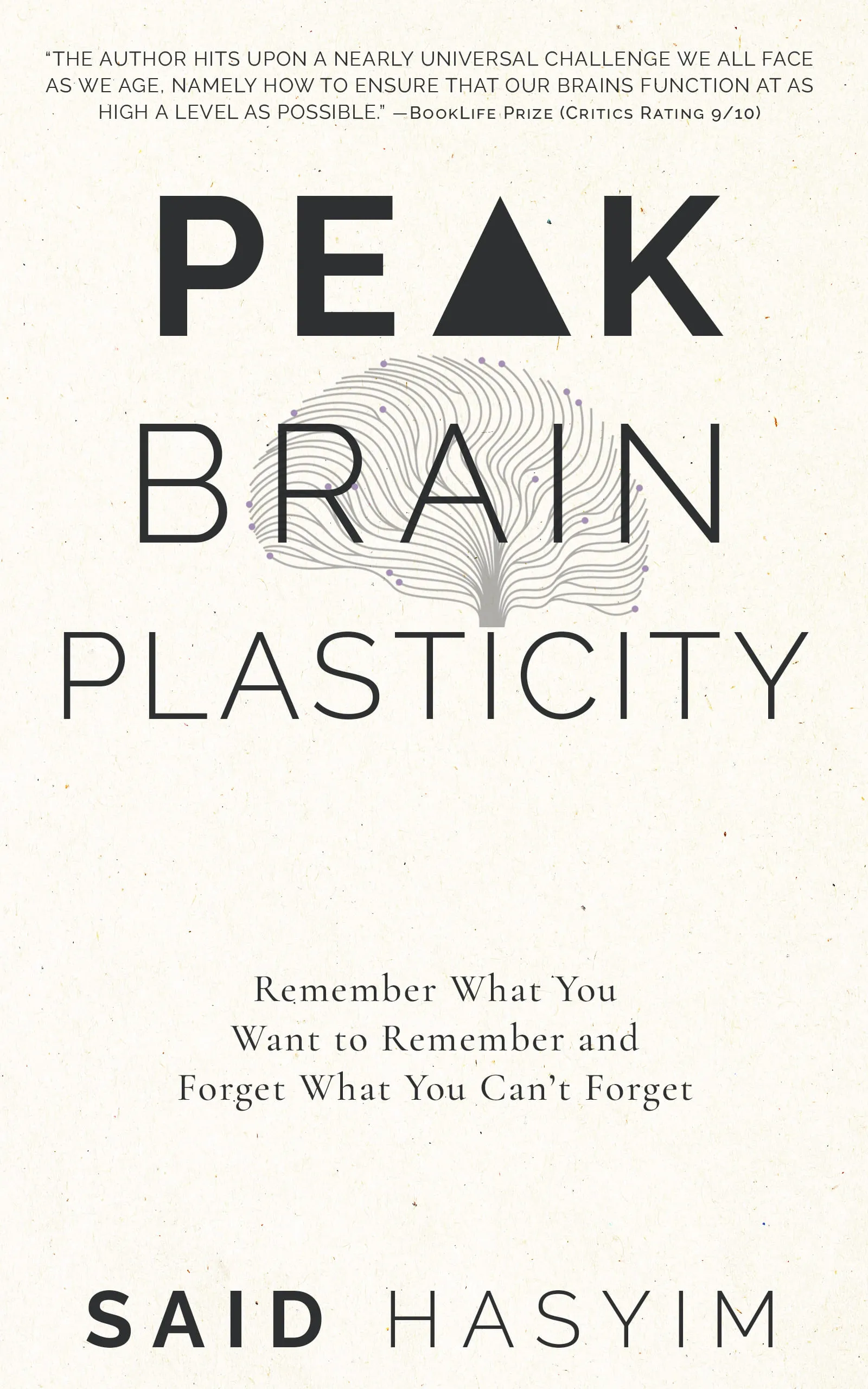
Harness the Power of Neuroplasticity
Discover Peak Brain Plasticity, a practical book to harnessing neuroplasticity. Enhance your memory, learn new languages quickly, and alleviate anxiety with effective study methods. Uncover daily habits that impact cognitive health and explore techniques for accelerated learning and memory retention. Unlock your brain's potential for growth and transformation.