Harnessing the Brain's Plasticity for Lifelong Learning
In a rapidly changing world, the ability to learn continuously and adapt to new circumstances is more important than ever. This need underscores a fascinating aspect of human biology: brain plasticity, or neuroplasticity. This term refers to the brain's capacity to reorganize itself by forming new connections throughout life. In this blog post, we will explore the concept of brain plasticity, its implications for lifelong learning, and practical strategies to harness this remarkable capability.
Understanding Neuroplasticity
Neuroplasticity is the brain’s ability to change and adapt in response to experience. This capacity is not exclusive to childhood; rather, it persists throughout a person's life. Neuroplasticity can manifest in several ways:
Developmental Plasticity: This occurs during development when the brain is forming and refining its structures.
Functional Plasticity: This enables different parts of the brain to take over functions when an area is damaged. For example, if one hemisphere of the brain is injured, the remaining hemisphere may adapt to compensate for lost functions.
Structural Plasticity: This involves the brain's ability to physically change its structure in response to learning or experience. For example, learning a new skill can lead to changes in the density of gray matter in specific areas of the brain.
The Science Behind Neuroplasticity
Neuroplasticity operates through a complex interplay of neural networks and biochemical processes. When we engage in learning, neurons communicate through synapses (the connections between them). Learning requires the strengthening and creation of new synapses, a process influenced by two key concepts:
Long-Term Potentiation (LTP): This is a lasting enhancement in signal transmission between neurons that results from repeated stimulation. This principle forms the biological basis for memory and learning.
Long-Term Depression (LTD): In contrast, LTD refers to the weakening of synapses, where less active connections fade away, allowing the brain to refine its neural networks.
Recent studies, including those leveraging advanced imaging technology, have shown that engaging in dedicated learning experiences can significantly alter the brain's structure. These changes can lead to improved cognitive abilities, from better memory to enhanced problem-solving skills.
Implications for Lifelong Learning
Understanding neuroplasticity emphasizes that learning is not limited to formal education or young age. Here are some key implications for lifelong learning:
Learning is Empowering: The belief that one can cultivate new skills and knowledge throughout life can lead to more proactive engagement in educational opportunities. This mindset opens up numerous possibilities in personal and professional realms.
Mistakes Encourage Growth: Acknowledge that making mistakes is part of the learning process. Neuroplasticity suggests that overcoming setbacks fosters stronger neural connections.
Regular Practice is Essential: The effectiveness of practice cannot be overstated. Engaging regularly with new material or skills consolidates learning and strengthens the relevant neural pathways.
Diverse Learning Experiences Stimulate the Brain: Exposing the brain to a variety of learning scenarios—whether through language acquisition, artistic endeavors, or physical activities—can enhance cognitive flexibility.
Strategies for Harnessing Brain Plasticity
To take full advantage of brain plasticity for lifelong learning, here are some practical strategies:
1. Embrace a Growth Mindset
Having a growth mindset—a belief that abilities and intelligence can be developed—promotes perseverance and resilience. Embracing challenges and viewing effort as an avenue for growth allows individuals to expand their learning horizons.
2. Engage in Deliberate Practice
Deliberate practice involves focused, structured training that aims to improve performance. This type of practice is goal-oriented and requires continuous feedback. Break tasks into manageable components and focus on gradually improving your skills.
3. Stay Curious and Expand Your Interests
Cultivating curiosity can lead to new learning opportunities. Try exploring different subjects, engaging in interdisciplinary activities, or pursuing hobbies outside your comfort zone. This variety stimulates diverse neural pathways.
4. Foster Social Connections
Socialization and collaboration can enhance learning. Engage with peers, share ideas, and work in groups to stimulate your cognitive functions. Participating in discussions and teaching others can solidify your own understanding.
5. Prioritize Mental Health and Well-being
Stress and mental fatigue can inhibit the brain's capacity for plasticity. It’s essential to maintain a balanced lifestyle, incorporating physical exercise, good nutrition, and adequate sleep. Mindfulness practices, such as mediation or yoga, can also enhance cognitive agility.
6. Utilize Technology Mindfully
In the digital age, technology provides access to a breadth of learning resources. Online courses, educational apps, and podcasts can keep your mind engaged. However, balance screen time with other forms of learning to prevent overstimulation.
7. Take Breaks and Allow for Downtime
Research suggests that the brain may consolidate and integrate new learnings during rest. Schedule regular breaks while studying or engaging in new experiences to optimize this natural process. Downtime can inspire creativity and further reflection on what you have learned.
Conclusion
The concept of neuroplasticity offers a powerful reminder that our brains are capable of change throughout life. As we harness this ability, we open ourselves to a world of opportunities for lifelong learning. By embracing a growth mindset, engaging in deliberate practice, seeking out varied experiences, and prioritizing mental well-being, we can continue to develop our cognitive abilities and adapt to the challenges of our ever-evolving world. In doing so, we not only enhance our personal and professional lives but also enrich our understanding of the human experience itself.
Embrace the potential of your brain's plasticity and embark on a journey of lifelong learning today!
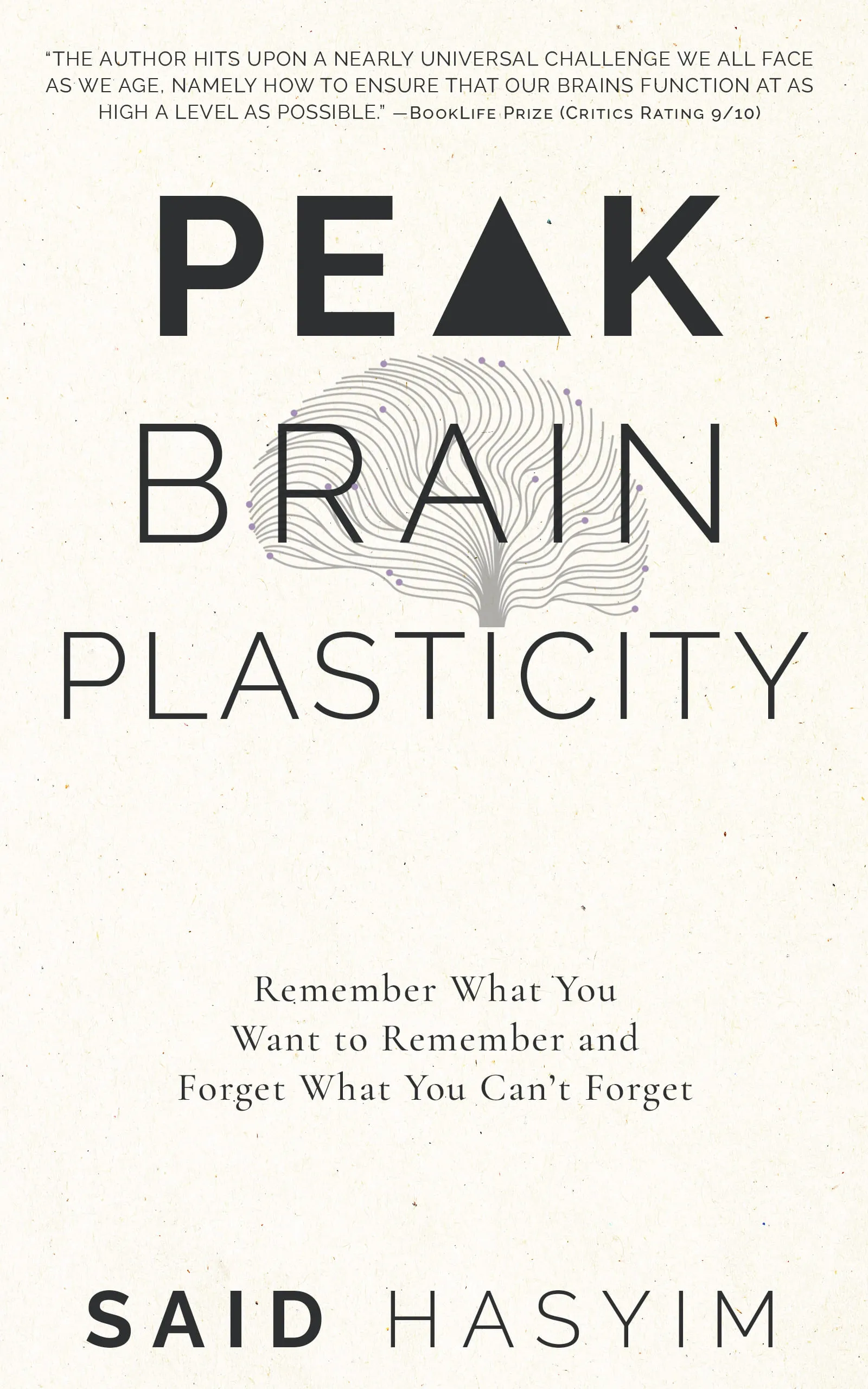
Harness the Power of Neuroplasticity
Discover Peak Brain Plasticity, a practical book to harnessing neuroplasticity. Enhance your memory, learn new languages quickly, and alleviate anxiety with effective study methods. Uncover daily habits that impact cognitive health and explore techniques for accelerated learning and memory retention. Unlock your brain's potential for growth and transformation.