Forgetting for Freedom: Embrace a Lighter Mindset
In our fast-paced, demanding world, many individuals find themselves burdened by memories—both good and bad. While reminiscences of blissful moments often bring joy, painful memories can feel like shackles, confining us to a loop of regret, anger, or sadness. What if, instead of allowing these memories to weigh us down, we could embrace a mindset of freedom, resilience, and joy? In this blog post, we'll explore the idea of "forgetting for freedom" and how cultivating a lighter mindset can help us thrive in our daily lives.
Understanding the Weight of Memory
Memory is a powerful aspect of human experience. It shapes our identity, informs our decisions, and influences our relationships. However, not all memories contribute positively to our psyche. For many, negative memories linger like dark clouds overhead, casting shadows on our present lives. These memories can take various forms, including:
- Past Mistakes: The feeling of regret for choices made or opportunities missed.
- Trauma: Experiences that have left deep emotional scars, influencing how we see and interact with the world.
- Grudges: Holding onto feelings of anger or resentment towards others.
Such memories can create mental clutter, leading to anxiety, stress, and an overall feeling of heaviness. This is where the idea of "forgetting for freedom" comes into play.
The Concept of Forgetting for Freedom
Forgetting does not mean erasing or dismissing the past. Instead, it's about choosing to release the hold that negative memories have on our lives. The beauty of forgetting is that it creates space for new experiences, perspectives, and joy.
Why Forgetting Matters
Emotional Liberation: Letting go of painful memories allows us to break free from the emotional chains that keep us anchored to the past. This liberation helps us to respond to the present with clarity and joy, rather than through a lens clouded by past hurt.
Mental Clarity: A mind cluttered with negative memories struggles to focus on now. By practicing forgetting, we can nurture a clearer mindset that enhances our creativity, decision-making, and problem-solving skills.
Health Benefits: Psychological studies have shown that intentional forgetting can lead to lower levels of stress and anxiety. As we learn to let go, we may experience lower blood pressure, better sleep quality, and an overall improved sense of well-being.
New Opportunities: When we free ourselves from the past, we open our hearts and minds to fresh possibilities. Embracing new experiences without the baggage of our history allows for personal growth and richer, more fulfilling relationships.
Strategies for Embracing a Lighter Mindset
1. Practice Mindfulness
Mindfulness invites us to focus on the present moment without judgment. Techniques such as deep breathing, meditation, and grounding exercises can help us become more aware of our thoughts and feelings. As we practice mindfulness, we learn to observe our negative memories without letting them dictate our emotions.
2. Reframing Negative Thoughts
Cognitive reframing is the process of changing the way we think about a situation. When confronted with a painful memory, try to reframe it by focusing on the lessons learned or the strength gained from it. This process allows us to view our experiences in a new light, decreasing their emotional hold on us.
3. Journaling
Journaling serves as an effective outlet for processing feelings and thoughts. By writing down memories, especially negative ones, we can take a step back and view them more objectively. This technique helps to externalize emotions, making it easier to confront and ultimately let them go.
4. Cultivating Forgiveness
Forgiveness—both of ourselves and others—plays a vital role in freeing ourselves from the past. Understand that forgiveness does not mean condoning harmful actions; rather, it’s about releasing the burden of anger and resentment. Engaging in forgiveness practices can relieve mental strain and contribute to emotional healing.
5. Creating New Memories
One of the best ways to forget the past is to actively engage in creating new, positive experiences. Seek out activities that challenge you, surround yourself with supportive people, or travel to new destinations. Building a reservoir of joyful memories can counterbalance the weight of the negative.
6. Seeking Support
Sometimes, the path to forgetting and healing can feel overwhelming. Don’t hesitate to reach out to friends, family, or mental health professionals. Sharing your burdens can provide relief, validation, and support—essential components of the healing journey.
Embracing Freedom
As we develop a practice of forgetting for freedom, it becomes increasingly apparent that a lighter mindset can transform our lives. By letting go of the weighty burden of past memories, we make room for joy, growth, and new experiences. Freedom becomes a choice, an act of self-care that allows us to reclaim our present and shape our future.
Conclusion
Life is too short to dwell on the past, and the journey towards a lighter mindset is not always easy, but it's undeniably rewarding. By understanding the importance of forgetting and actively practicing strategies to cultivate emotional and mental freedom, we can embrace a life filled with possibility. So let us choose to forget what no longer serves us and embrace the freedom that comes with a lighter mindset. After all, freedom begins in the mind, and the best time to cultivate it is now.
By embracing the concept of "forgetting for freedom," we take a significant step toward emotional liberation and holistic well-being. As we carry this idea forward, may we each find our own version of freedom and joy in the delightful journey of life.
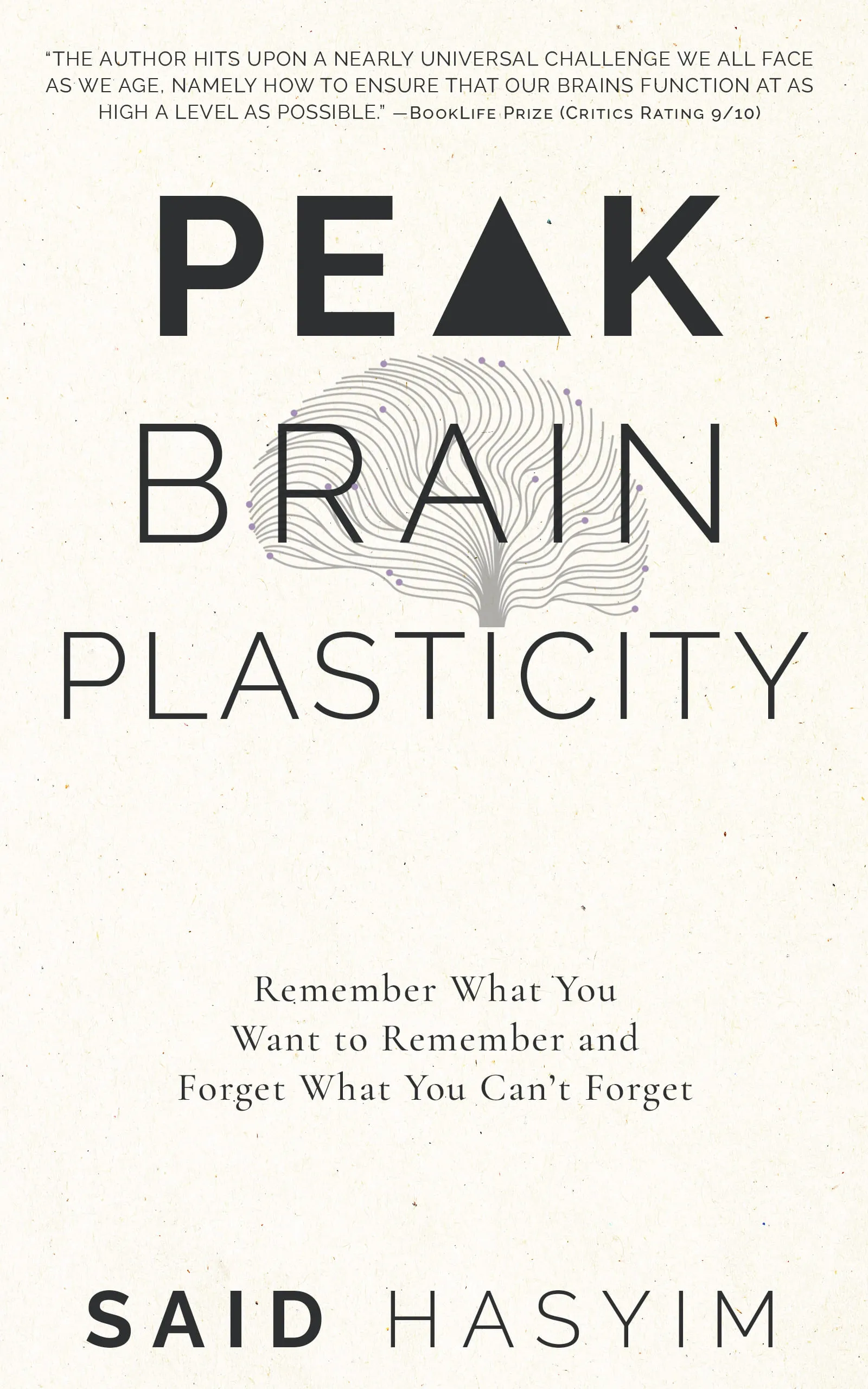
Harness the Power of Neuroplasticity
Discover Peak Brain Plasticity, a practical book to harnessing neuroplasticity. Enhance your memory, learn new languages quickly, and alleviate anxiety with effective study methods. Uncover daily habits that impact cognitive health and explore techniques for accelerated learning and memory retention. Unlock your brain's potential for growth and transformation.