Exploring Memory: The Science of Brain Plasticity
Memory, a fundamental aspect of human experience, shapes our identities, informs our decision-making, and influences our relationships. But have you ever wondered how memories are formed, stored, and sometimes forgotten? The brain's remarkable ability to adapt and reorganize itself in response to new experiences—a phenomenon known as brain plasticity—plays a crucial role in these processes. In this blog post, we will delve into the intricate science of brain plasticity and its implications for memory.
What is Brain Plasticity?
Brain plasticity, or neuroplasticity, refers to the ability of the neural networks in the brain to change through growth and reorganization. This remarkable property allows the brain to adapt to new experiences, learn new information, and recover from injury. Neuroplasticity occurs at various scales, from the cellular level to large brain regions, and it can manifest in multiple ways:
Structural Plasticity: This involves physical changes in the brain's structure, such as the formation of new synapses (the connections between neurons) or the pruning of unused ones. This process is essential for learning, as it helps create unique neural pathways associated with specific experiences or information.
Functional Plasticity: This type of plasticity enables the brain to compensate for damaged areas by reorganizing and assigning functions to undamaged regions. Functional plasticity is crucial in recovery from brain injuries, allowing individuals to regain capabilities that were lost.
Synaptic Plasticity: Often hailed as the cellular basis of learning and memory, synaptic plasticity involves changes in the strength of synapses based on activity levels. The two main types are long-term potentiation (LTP), which strengthens synaptic connections, and long-term depression (LTD), which weakens them. These processes are critical for the encoding and retrieval of memories.
The Role of Memory in Brain Plasticity
Memory can be classified into various types, including short-term memory, long-term memory, explicit (declarative) memory, and implicit (non-declarative) memory. Understanding how these different types of memory interact with brain plasticity can help us appreciate the importance of neuroplasticity in our daily lives.
Short-Term Memory and Working Memory
Short-term memory, or working memory, refers to the ability to temporarily hold and manipulate information. Neuroplasticity in the prefrontal cortex, which is crucial for higher-order cognitive functions like decision-making, plays a significant role in working memory. Through repeated use and practice, neural circuits associated with specific tasks become stronger, enhancing our capacity to manage complex information.
Long-Term Memory
Long-term memory consists of the information retained over extended periods, ranging from days to decades. It is divided into explicit memory (facts and events we can consciously recall) and implicit memory (skills and habits that are performed without conscious thought). Both types are influenced by brain plasticity.
For example, learning a new language or musical instrument requires the brain to create and strengthen new synaptic connections. Research has shown that practice can lead to changes in the brain's structure, including increased gray matter in areas associated with language processing or motor skills.
Memory Consolidation
Memory consolidation is the process through which short-term memories are transformed into long-term ones. This occurs mainly during sleep when the brain replays experiences and strengthens the neural connections involved. Studies have demonstrated that sleep plays a critical role in facilitating neuroplasticity, helping us improve performance and recall after a good night's rest.
Implications of Brain Plasticity for Learning and Rehabilitation
Understanding brain plasticity has profound implications for education, rehabilitation, and treatment of cognitive impairments. Here are some key areas of focus:
Education and Learning Strategies
The concept of growth mindset, popularized by psychologist Carol Dweck, aligns perfectly with the principles of neuroplasticity. Recognizing that our brains can grow and adapt encourages lifelong learning and resilience, particularly in challenging environments. Educators can develop teaching strategies that embrace neuroplasticity, such as:
- Active Learning: Engaging students through discussions, problem-solving, and hands-on activities can enhance retention and understanding.
- Feedback and Reinforcement: Providing timely feedback helps reinforce learning and encourages the brain to strengthen neural pathways.
- Mindfulness and Stress Management: Practices such as mindfulness meditation have been shown to foster brain plasticity and improve cognitive function, benefiting both educators and students.
Recovery from Injury
Neuroplasticity plays a vital role in rehabilitation following brain injuries or strokes. Therapeutic techniques, such as constraint-induced movement therapy (CIMT) for stroke survivors, encourage the use of affected limbs by restricting the use of unaffected ones. This approach promotes functional plasticity by forcing the brain to reassign functions to healthy areas.
Additionally, technologies like brain-computer interfaces (BCIs) are being developed to help individuals with severe motor impairments regain control over their environments. BCIs leverage neuroplasticity to create new pathways in the brain, allowing individuals to interact with the world in novel ways.
Implications for Mental Health
Neuroplasticity is also relevant to mental health disorders such as depression, PTSD, and anxiety. Innovative therapies, such as cognitive-behavioral therapy (CBT), aim to reshape negative thought patterns by creating new neural circuits. Emerging treatments, including transcranial magnetic stimulation (TMS) and psychedelic-assisted therapy, are also being explored for their ability to promote neuroplastic changes in the brain.
Conclusion
The science of brain plasticity provides profound insights into the mechanisms underlying memory, learning, and recovery. Our ability to adapt, change, and grow is woven into the very fabric of who we are. By understanding how our brains work, we can harness this potential to enhance our learning experiences, recover from injuries, and improve mental health outcomes.
As research continues to uncover the depths of neuroplasticity, it becomes increasingly clear that our brains are not static; they are dynamic, resilient, and capable of profound change. Embracing this knowledge opens up new possibilities for personal growth, education, and healing. It reminds us that our capacity to learn and adapt is not just a characteristic of youth but a lifelong journey that defines our human experience.
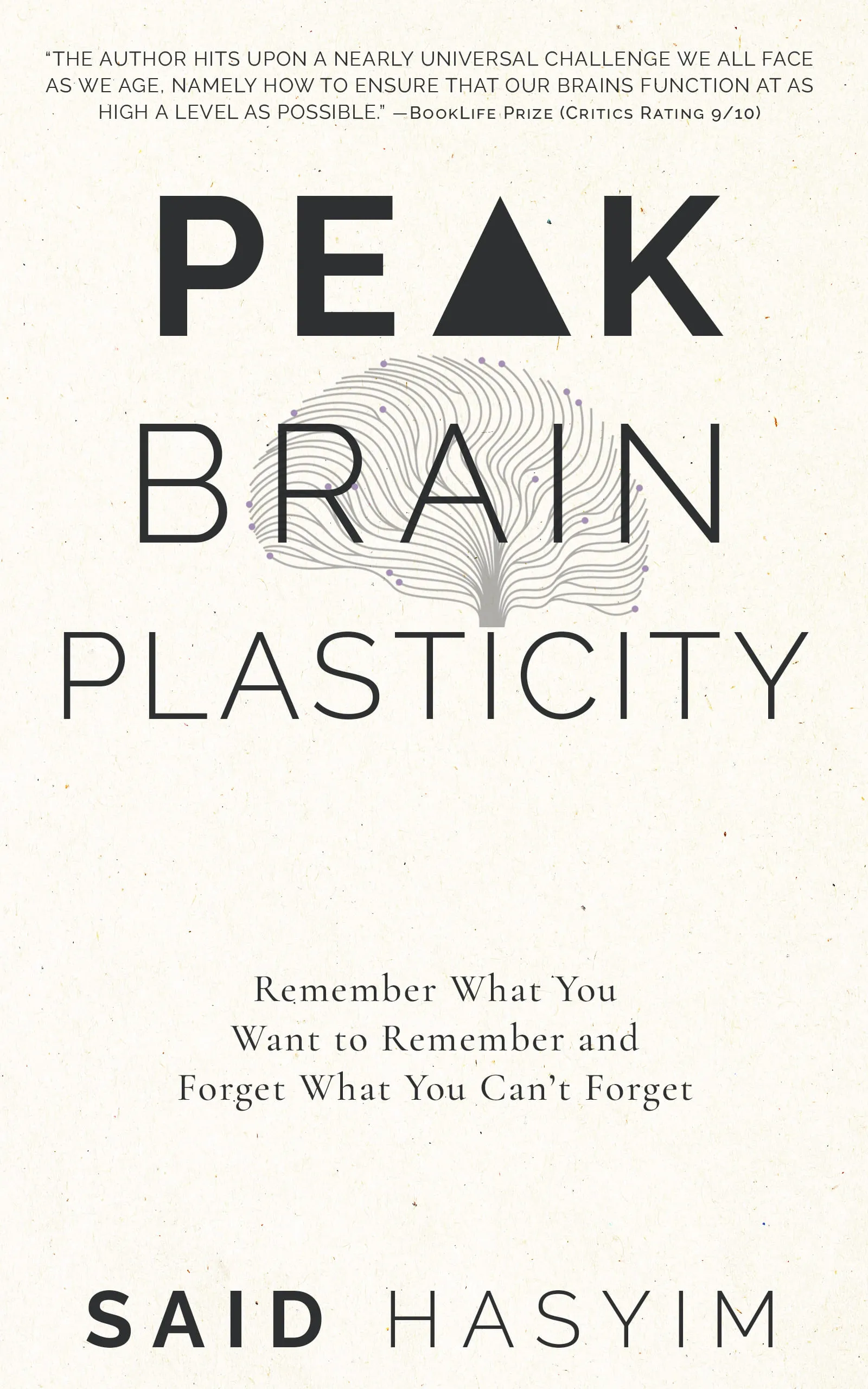
Harness the Power of Neuroplasticity
Discover Peak Brain Plasticity, a practical book to harnessing neuroplasticity. Enhance your memory, learn new languages quickly, and alleviate anxiety with effective study methods. Uncover daily habits that impact cognitive health and explore techniques for accelerated learning and memory retention. Unlock your brain's potential for growth and transformation.