Enhancing Learning Through Peak Brain Plasticity
The human brain is a marvel of evolution, capable of remarkable feats of learning and adaptation. One of its most fascinating features is neuroplasticity – the brain's ability to change and reorganize itself by forming new neural connections throughout life. Although neuroplasticity occurs constantly, there are certain windows of time when the brain is particularly receptive to change, known as peak brain plasticity. Understanding and leveraging these periods can lead to enhanced learning experiences.
Understanding Neuroplasticity
Before diving into the concept of peak brain plasticity, let's first explore what neuroplasticity means.
Neuroplasticity refers to the brain's ability to adapt physically and functionally in response to experiences, learning, and environmental changes. Rather than a static organ, the brain is dynamic, constantly reshaping itself based on input, behavior, and even recovery from injury. There are two primary types of neuroplasticity:
Functional Plasticity: This involves the brain's ability to move functions from damaged areas to undamaged areas. For instance, when part of the brain responsible for speech is injured, other regions may compensate for its loss.
Structural Plasticity: This refers to the brain's ability to physically change its structure in response to learning or experience. Structural changes can include the strengthening of synapses or even the growth of new neurons, a process known as neurogenesis.
Understanding these two types of plasticity provides a foundation for harnessing peak brain plasticity to enhance learning.
The Critical Periods of Learning
Peak brain plasticity predominantly happens during critical periods that often align with stages of human development. These critical periods are times when the brain is more adaptable and responsive to new information. Key stages include:
Early Childhood (Ages 0-5): This phase features rapid brain development and an astonishing ability to learn languages, social skills, and other foundational concepts. Experiences during this time can have lasting impacts.
Adolescence (Ages 11-25): This period is characterized by significant brain maturation and reorganization. Notably, the prefrontal cortex, responsible for reasoning, decision-making, and impulse control, undergoes notable changes.
Adulthood: While neuroplasticity diminishes somewhat with age, adults can still take advantage of peak brain plasticity in specific situations. This includes engaging in new training, learning, or recovery from injuries.
Recognizing these critical periods is essential for leveraging them effectively.
How to Enhance Learning During Peak Brain Plasticity
Given the significance of these critical periods, here are practical strategies to enhance learning during peak brain plasticity stages:
1. Optimal Learning Environment
A supportive learning environment can significantly improve a person's ability to absorb and engage with new information. Some practices include:
Minimize Distractions: Create an environment with minimal visual or auditory distractions to help concentration.
Promote Positive Emotions: Emotional well-being enhances learning. Activities like mindfulness, deep breathing, or even yoga can help create a calm, focused mindset.
2. Multi-Sensory Learning
Engaging multiple senses simultaneously can enhance memory retention and cognition. Here are a few multi-sensory strategies:
Incorporate Visual Aids: Use images, charts, and infographics in learning materials.
Utilize Auditory Activities: Listening to podcasts, lectures, or music can provide different perspectives and modalities of learning.
Kinesthetic Learning: Moving while learning, like through role-playing or hands-on activities, helps reinforce concepts.
3. Spaced Repetition and Active Recall
Traditionally associated with memory techniques, spaced repetition can be particularly useful during peak plasticity phases.
Break Information into Small Chunks: Instead of cramming, break down information into manageable segments and review them over spaced intervals.
Utilize Active Recall: Test yourself on the material after learning, challenging your mind to retrieve information rather than passively re-reading.
4. Foster a Growth Mindset
Believing in the ability to grow and learn can dramatically affect motivation and persistence. Encourage a growth mindset by:
Emphasizing Effort Over Talent: Remind learners that effort leads to improvement and that mistakes are learning opportunities.
Set Incremental Goals: Focus on setting achievable objectives that build confidence and encourage ongoing learning.
5. Engage in Novel Experiences
Novelty stimulates the brain and can enhance learning. Encourage learners to:
Explore New Topics: Introduce subjects that are not part of their routine learning experience to broaden their horizons.
Try New Hobbies: Engaging in new activities stimulates different brain regions and reinforces plasticity.
6. Prioritize Physical Well-being
Physical health significantly influences brain function and plasticity. Activities to consider include:
Regular Exercise: Physical activity increases blood flow to the brain, promotes the release of growth factors, and supports neurogenesis.
Good Nutrition: A balanced diet rich in omega-3 fatty acids, antioxidants, vitamins, and minerals can enhance cognitive function.
Adequate Sleep: Sleep is integral to memory consolidation and overall brain health. Ensure adequate rest to support learning and retention.
Conclusion
Understanding and harnessing peak brain plasticity can revolutionize the way we approach learning. By taking advantage of critical developmental stages and implementing effective learning strategies, individuals can create enriched learning experiences that have lasting impacts.
Whether you are a parent guiding a child through formative years, an educator looking to inspire students, or an adult striving for personal growth, embracing these principles can help unlock the extraordinary potential of the brain. Remember, each moment is an opportunity to learn, adapt, and grow.
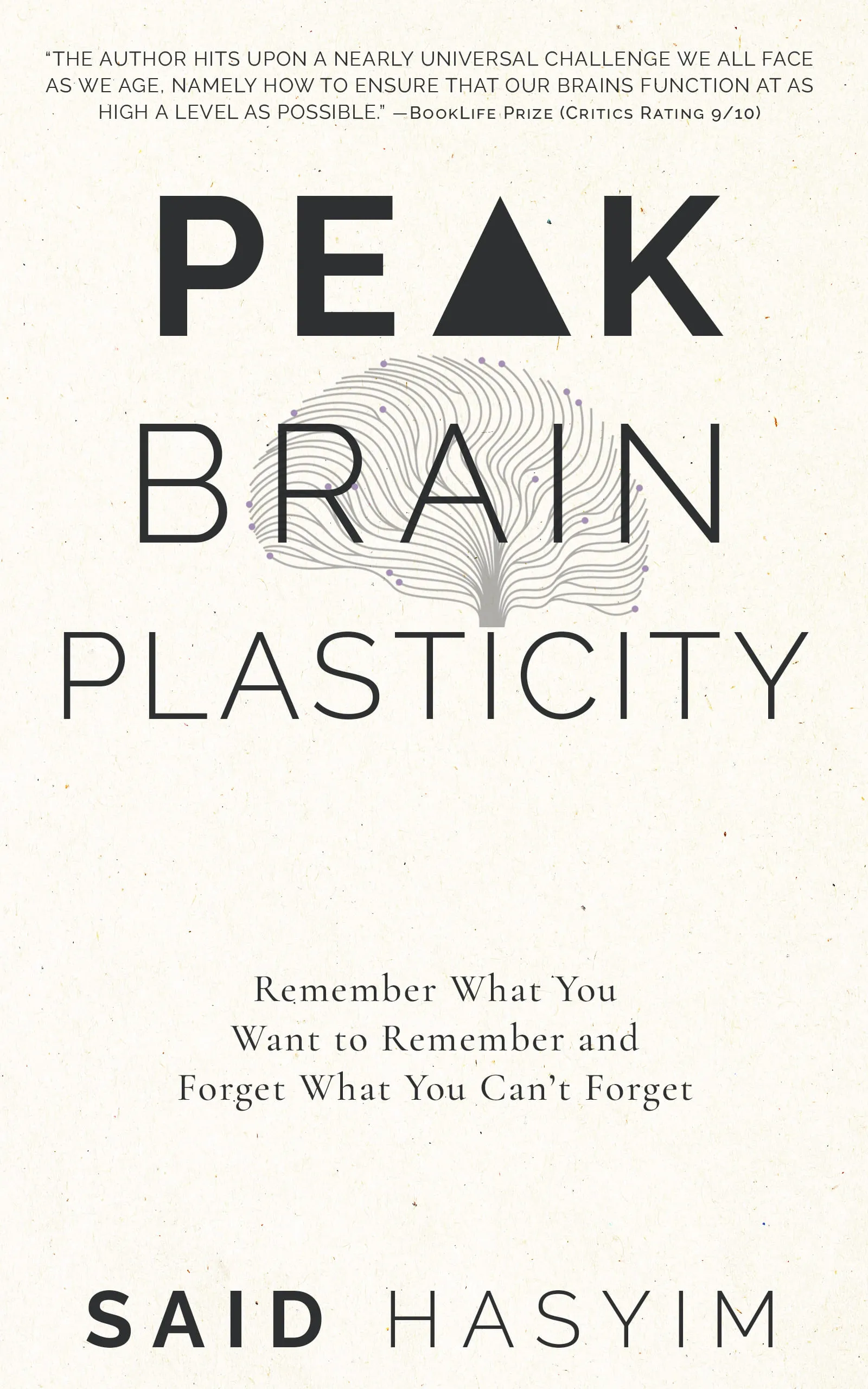
Harness the Power of Neuroplasticity
Discover Peak Brain Plasticity, a practical book to harnessing neuroplasticity. Enhance your memory, learn new languages quickly, and alleviate anxiety with effective study methods. Uncover daily habits that impact cognitive health and explore techniques for accelerated learning and memory retention. Unlock your brain's potential for growth and transformation.