Enhancing Cognitive Flexibility for Personal Growth
Cognitive flexibility is often described as the mental ability to switch between thinking about different concepts or to think about multiple concepts simultaneously. It is an essential skill that underpins our capacity to adapt our thoughts and behaviors in response to changing environments and demands. Embracing cognitive flexibility can lead to heightened creativity, improved problem-solving capabilities, and a greater capacity for personal growth. In this blog post, we will explore the concept of cognitive flexibility, its benefits, and practical strategies to enhance it for personal development.
Understanding Cognitive Flexibility
Cognitive flexibility is a key component of executive function, which encompasses a range of cognitive processes that regulate thought and behavior. Individuals with strong cognitive flexibility tend to be more adept at navigating life's challenges and can approach problems from various perspectives, which can lead to innovative solutions.
Key Characteristics of Cognitive Flexibility
- Open-mindedness: The capacity to consider new ideas and alternate viewpoints.
- Adaptability: The ability to adjust one's thinking and behavior in response to new information, changing circumstances, or unexpected challenges.
- Creativity: The inclination to think outside the box and generate unique ideas or approaches.
- Problem-solving: The skill of identifying solutions in ambiguous or complex situations.
- Emotional Regulation: The capability to manage one’s emotions in the face of change or uncertainty.
Benefits of Enhanced Cognitive Flexibility
Enhancing cognitive flexibility can have a profound impact on various aspects of life, leading to substantial personal growth. Some of the benefits include:
- Improved Decision-Making: With the ability to see multiple perspectives, individuals can analyze situations more thoroughly and make informed decisions.
- Increased Resilience: Cognitive flexibility allows individuals to cope better with setbacks, as they can reframe their mindset and explore alternative pathways.
- Strengthened Relationships: Being open to different viewpoints fosters better communication and understanding, which is crucial for building and maintaining healthy relationships.
- Boosted Creativity: The capacity to shift thoughts and ideas enables individuals to think creatively, leading to innovative solutions in personal and professional endeavors.
- Heightened Motivation: When faced with challenges, those with cognitive flexibility can find alternative routes to achieve their goals, keeping motivation levels high.
Practical Strategies to Enhance Cognitive Flexibility
While cognitive flexibility may come more naturally to some individuals, there are several practices and strategies that anyone can adopt to develop this essential skill. Here are some effective methods:
1. Embrace Change
Seeking out new experiences can help you become more adaptable. Whether it's trying a new hobby, taking a different route to work, or engaging in conversations with people of diverse backgrounds, stepping out of your comfort zone can enhance cognitive flexibility.
2. Practice Mindfulness
Mindfulness training encourages awareness of thoughts and feelings without judgment. By focusing on the present moment, individuals can quiet their minds and become more attuned to their cognitive processes. This awareness can help you identify rigid thinking patterns and promote a more flexible mindset.
3. Challenge Assumptions
Take time to question your beliefs and assumptions. Engage in reflective activities, such as journaling or discussion with others, to reevaluate your viewpoints. This practice encourages open-mindedness and can expand your cognitive horizon.
4. Engage in Creative Activities
Participating in creative endeavors, such as writing, painting, or music, stimulates divergent thinking and fosters cognitive flexibility. Allow yourself to explore various creative outlets without self-judgment, as this can unlock new ways of thinking.
5. Solve Puzzles and Play Games
Engaging in puzzles, riddles, and strategy games can strengthen problem-solving skills and enhance cognitive flexibility. Activities such as chess, Sudoku, or brain teasers encourage you to think critically and challenge your cognition in fun and engaging ways.
6. Surround Yourself with Diverse Perspectives
Interacting with individuals from different backgrounds, cultures, and experiences broadens your understanding of the world. Make an effort to engage in conversations that challenge your perspective and encourage you to consider alternate viewpoints.
7. Set Flexibility Goals
Identify specific areas of your life where you tend to be inflexible—be it in thought patterns, routines, or interactions. Set targeted goals to practice flexibility in these areas. For example, if you usually take the same route to work, plan to take a different path a few times a week.
Conclusion
Enhancing cognitive flexibility is a powerful avenue for personal growth. As we navigate the complexities of life, developing the ability to think flexibly can lead to improved decision-making, increased resilience, and even greater creativity. By embracing change, practicing mindfulness, challenging assumptions, engaging in creative activities, solving puzzles, surrounding yourself with diverse perspectives, and setting flexibility goals, you can cultivate a more adaptable mindset.
As you embark on your journey to enhance cognitive flexibility, remember that growth requires patience and practice. With consistent effort, you will unlock new doors to personal development and discover the endless possibilities that lie ahead.
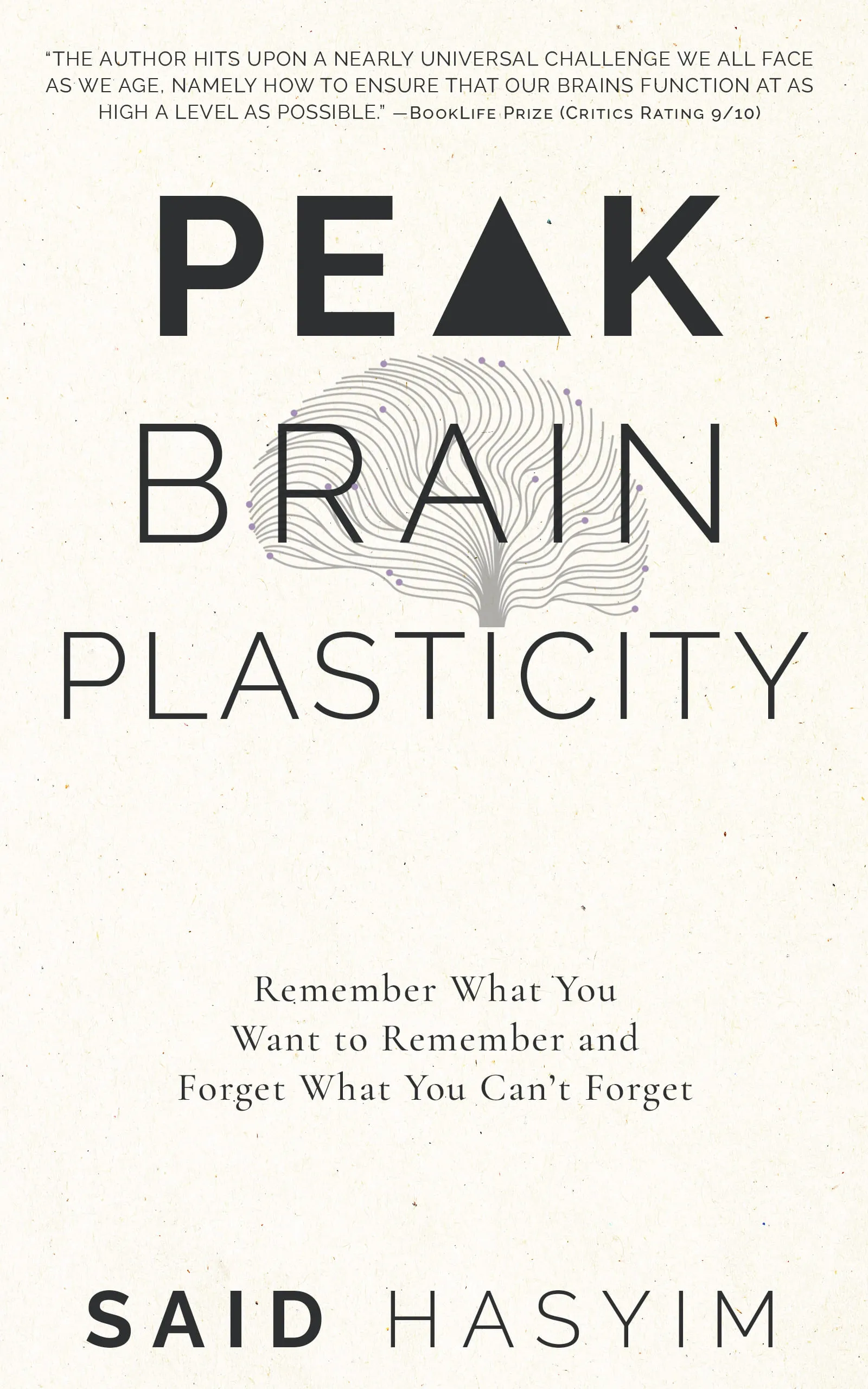
Harness the Power of Neuroplasticity
Discover Peak Brain Plasticity, a practical book to harnessing neuroplasticity. Enhance your memory, learn new languages quickly, and alleviate anxiety with effective study methods. Uncover daily habits that impact cognitive health and explore techniques for accelerated learning and memory retention. Unlock your brain's potential for growth and transformation.