Engaging Your Senses for Improved Memory Recall
Memory recall is a fundamental aspect of our daily lives. Whether we are trying to remember a friend’s birthday, a shopping list, or a complex business proposal, the ability to retrieve information accurately can significantly impact our personal and professional success. One effective, yet often overlooked, strategy to enhance memory recall is to engage our senses—sight, sound, touch, taste, and smell. By doing so, we can create a multi-faceted experience that not only strengthens our memory but also makes the process more enjoyable. In this blog post, we will explore how each of our senses can be leveraged to improve memory recall and enhance learning.
The Role of Sensory Engagement in Memory Formation
Before diving into the specifics of each sense, it's important to understand how sensory engagement aids in memory formation. Our brain encodes memories based on a variety of stimuli, and when we involve multiple senses, we create more pathways to access that information later. This is often referred to as creating “multisensory” experiences. When we connect a memory to a sound, smell, or tactile sensation, it becomes more vivid and easier to recall.
Visual Memory
Seeing is believing—and in many cases, seeing is remembering! Visualization can be a powerful tool for enhancing memory. Here are a few ways to boost your memory using your sense of sight:
Use Color and Imagery: Try incorporating vibrant colors and images into your notes or study materials. The human brain naturally remembers colorful information better than bland black-and-white visuals. Tools like mind maps, flowcharts, and infographics can all help to engage your visual memory.
Create Visual Associations: Link concepts or information to familiar visual images. For example, if you are learning a new word, envision a vivid picture that embodies the meaning of that word. This can help solidify the information in your mind.
Practice Visualization Techniques: Spend a few moments visualizing information you want to remember. Close your eyes and picture the details as clearly as possible. This technique can strengthen the neural pathways associated with the memory.
Auditory Memory
Your sense of hearing can also play a significant role in memory recall. Here are some ways you can engage your auditory senses:
Listen to Music: Certain types of music can create a backdrop for learning and can boost memory retention. Consider listening to classical music or ambient sounds while studying, as these have been shown to have a positive impact on focus and retention.
Verbal Repetition: Reading aloud or explaining concepts to someone else can enhance your auditory memory. The act of speaking engages your auditory senses and reinforces the information in your brain.
Utilize Mnemonic Devices: Rhymes, acronyms, and songs can make information more memorable. By turning what you need to remember into a catchy tune or a clever phrase, you will significantly improve your chances of recall.
Tactile Memory
Touching and manipulating objects can also enhance memory. Here are some strategies to engage your sense of touch:
Hands-On Learning: Whenever possible, engage in models, puppets, or other tactile learning aids. Building a physical model or using manipulatives can deepen your understanding and recall of complex topics.
Take Notes by Hand: The physical act of writing can create a stronger memory connection compared to typing. Invest time in writing your notes out by hand; this can help to reinforce the information.
Use Texture: When studying, consider incorporating textures into your materials. This could be through textured flashcards or even using objects that relate to what you’re learning—you might find that the sensation aids your memory.
Taste and Smell Memory
Although taste and smell are often underestimated in their ability to aid memory, they are powerful tools for recall.
Aromatherapy: Certain scents can evoke memories or create conducive environments for learning. Consider using essential oils like rosemary or peppermint while studying, as they have been linked to improved memory and concentration.
Taste Associations: Linking specific tastes to particular memories or information can create a strong sensory connection. For instance, if you're studying for an exam while enjoying a particular snack, that flavor may prompt recall during testing.
Cooking and Recipes: Engaging with food preparation and cooking can be an effective method for memorizing complex instructions or information, especially as you associate the act of preparing a dish with the knowledge you wish to retain.
Creating a Multi-Sensory Learning Environment
To fully benefit from engaging your senses, consider creating a multi-sensory learning environment. Here are some tips:
Set the Scene: Choose an environment that incorporates different sensory inputs. Play soothing music, have scented candles, and use textured materials to enhance your learning experience.
Change Your Surroundings: Don’t hesitate to change your study location to stimulate different senses. A park, café, or quiet room can offer new auditory or visual stimuli that enhance memory.
Integrate Technology: Utilize apps and online tools that support visual and auditory learning. For example, educational videos, interactive simulations, and audio books can incorporate multiple senses into your study routine.
Conclusion
Engaging your senses is a powerful strategy for enhancing memory recall. By utilizing your sight, sound, touch, taste, and smell, you can create richer, more memorable learning experiences. The next time you find yourself struggling to remember information, consider how you might incorporate sensory elements into your study routine. With a little creativity and attention to your sensory environment, you can improve your ability to recall information with ease. Embrace the power of your senses, and watch your memories develop exponentially!
Happy learning!
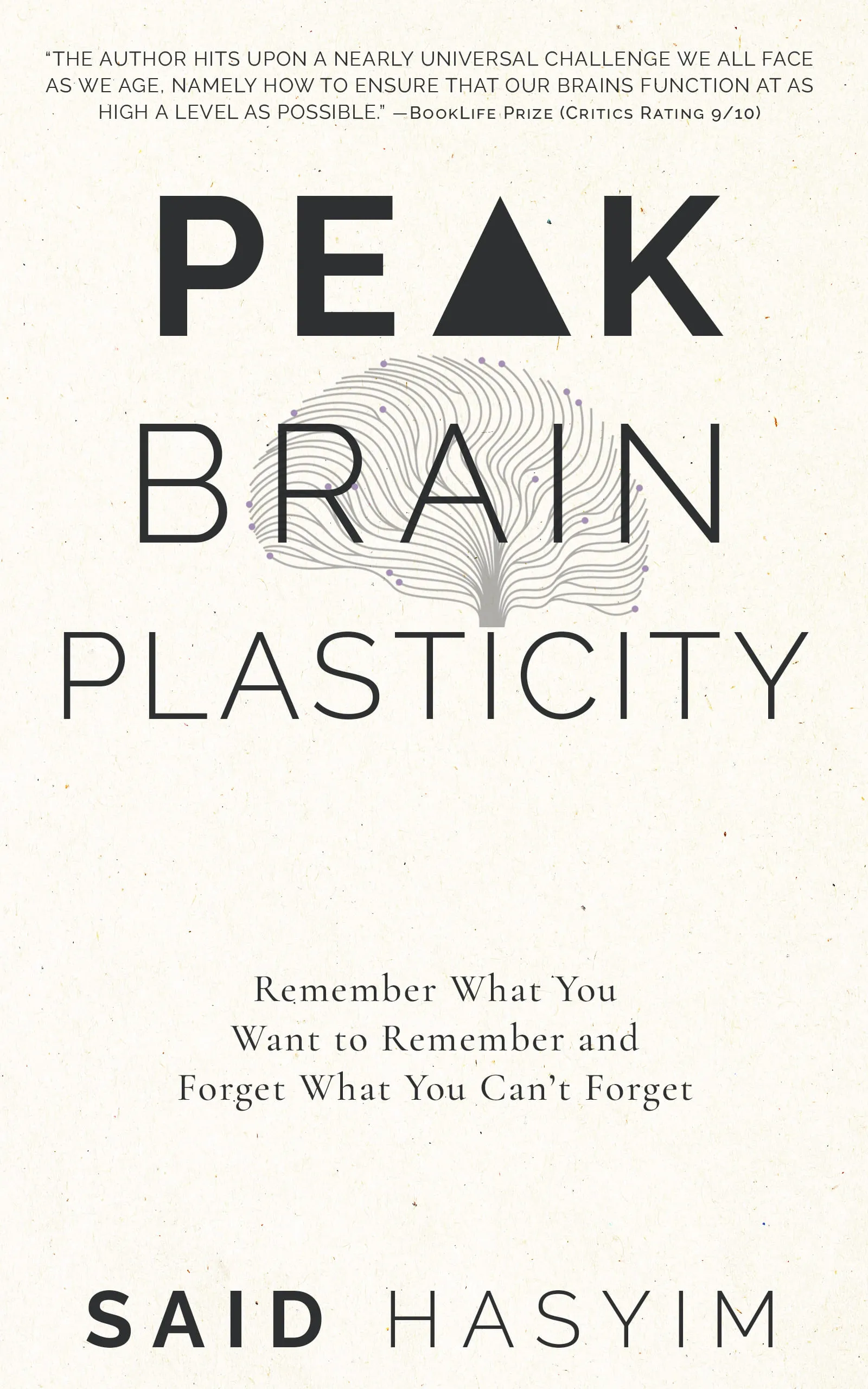
Harness the Power of Neuroplasticity
Discover Peak Brain Plasticity, a practical book to harnessing neuroplasticity. Enhance your memory, learn new languages quickly, and alleviate anxiety with effective study methods. Uncover daily habits that impact cognitive health and explore techniques for accelerated learning and memory retention. Unlock your brain's potential for growth and transformation.