Embracing Change: Learning Through Neuroplasticity
Change is an inevitable part of life. Whether it involves transitioning to a new job, adapting to the changes in a relationship, or simply facing an unexpected turn of events, our ability to accept and thrive amid change is crucial for our overall well-being. Fortunately, one of the most powerful tools we possess for navigating life's transitions is our very own brain. Thanks to the phenomenon known as neuroplasticity, we have the ability to learn, adapt, and grow throughout our lives.
Understanding Neuroplasticity
Neuroplasticity refers to the brain's capacity to reorganize itself by forming new neural connections throughout life. This remarkable ability allows us to adjust our thoughts, behaviors, and responses based on our experiences. Neuroscientists have discovered that the brain is not a static organ, but rather a dynamic, ever-evolving system that can be shaped by our actions and interactions.
The concept of neuroplasticity challenges the long-held belief that intelligence, personality, and skills are fixed traits. Instead, it emphasizes that our brains are capable of change and improvement, regardless of our age. This opens up exciting possibilities for personal growth and skill development.
The Science Behind Neuroplasticity
At its core, neuroplasticity is driven by the brain's synapses—the connections between neurons. Every time we learn something new or engage in a specific activity, these synapses are strengthened, allowing for easier recall and practice in the future. Conversely, if we stop using certain pathways or skills, those connections can weaken over time.
Neuroplasticity can be categorized into two main types:
Functional Plasticity: This refers to the brain's ability to transfer functions from damaged areas to undamaged areas. For example, if one part of the brain is injured, other parts can sometimes take over the lost functions.
Structural Plasticity: This describes the brain's ability to physically change its structure in response to learning and experience. This can include the growth of new neurons or altering the strength of existing connections, which is vital in acquiring new skills and knowledge.
Embracing Change Through Learning
Embracing change requires a willingness to step out of our comfort zones and pursue new experiences. When we constantly challenge ourselves, we promote neuroplasticity and optimize our brain's potential. Here are several strategies to embrace change through continuous learning:
1. Cultivate a Growth Mindset
Adopting a growth mindset—believing that abilities and intelligence can be developed—enables us to view challenges and setbacks as opportunities for growth rather than insurmountable obstacles. When we approach learning with curiosity and resilience, we are more likely to embrace change and adapt effectively.
2. Engage in Lifelong Learning
Lifelong learning is essential for promoting neuroplasticity. Whether through formal education, online courses, or self-directed exploration, continually seeking knowledge can enhance cognitive flexibility and adaptability. Learning new languages, musical instruments, or even cooking techniques can stimulate brain activity and encourage new connections.
3. Practice Mindfulness and Reflection
Mindfulness practices, such as meditation and journaling, can enhance self-awareness and help us better understand our thoughts and emotions surrounding change. Reflecting on our experiences allows us to identify patterns and develop healthier coping strategies.
4. Embrace Physical Activity
Physical exercise not only benefits our bodies but also significantly impacts our brains. Regular physical activity has been shown to promote neurogenesis—the growth of new neurons—improve mood, and enhance cognitive function. Finding an enjoyable form of exercise can cement this habit and provide a positive outlet for stress during times of change.
5. Foster Social Connections
Human beings are inherently social creatures. Building and maintaining strong social connections can provide support during challenging transitions. Engaging with others, sharing experiences, and learning collaboratively can create a sense of belonging and promote brain health.
6. Challenge Your Norms
Experimenting with new routines and breaking out of your usual habits can enhance neural plasticity. Consider trying a new hobby, traveling to new places, or meeting new people. Each new experience can stimulate brain activity and encourage new connections.
Embracing Change in Real Life
The benefits of embracing change through neuroplasticity extend to numerous aspects of our lives. Whether facing career transitions, navigating life after a loss, or simply adapting to the fast-paced world around us, acknowledging the adaptability of our brains empowers us to change how we respond to these situations.
Career Adaptability
In today's job market, the ability to adapt to new technologies and career demands has become increasingly important. Embracing continuous learning—whether through online courses, workshops, or professional development—can help sustain relevance and growth in our careers.
Personal Growth and Resilience
The capacity to adapt during life’s challenges is rooted in our ability to learn from our experiences. Resilience involves understanding that setbacks are a part of the learning process. By reframing our perspective on challenges, we enable ourselves to learn and grow, ultimately fostering a more positive outlook on life.
Building Emotional Intelligence
Emotional intelligence plays a significant role in how we navigate change, as it enables us to manage our emotions and establish meaningful relationships with others. By honing our emotional intelligence through practice and reflection, we become more adept at handling life's unpredictability.
Conclusion
Embracing change is a vital skill that can significantly influence our quality of life. Through neuroplasticity, our brains can adapt, learn, and evolve, allowing us to navigate the complexities of life with greater ease and confidence. By fostering a growth mindset, engaging in lifelong learning, and actively seeking new experiences, we can harness the power of our brains to not only adapt to change but to thrive in it.
As we journey through life, staying open to change and recognizing our capacity for growth will prepare us to face whatever challenges come our way. Remember, the ability to learn and adapt is not just a trait; it’s an ongoing experience that each of us can cultivate, no matter where we are in life. So let’s embrace the changes ahead and unlock our brain's incredible potential for lifelong learning and development.
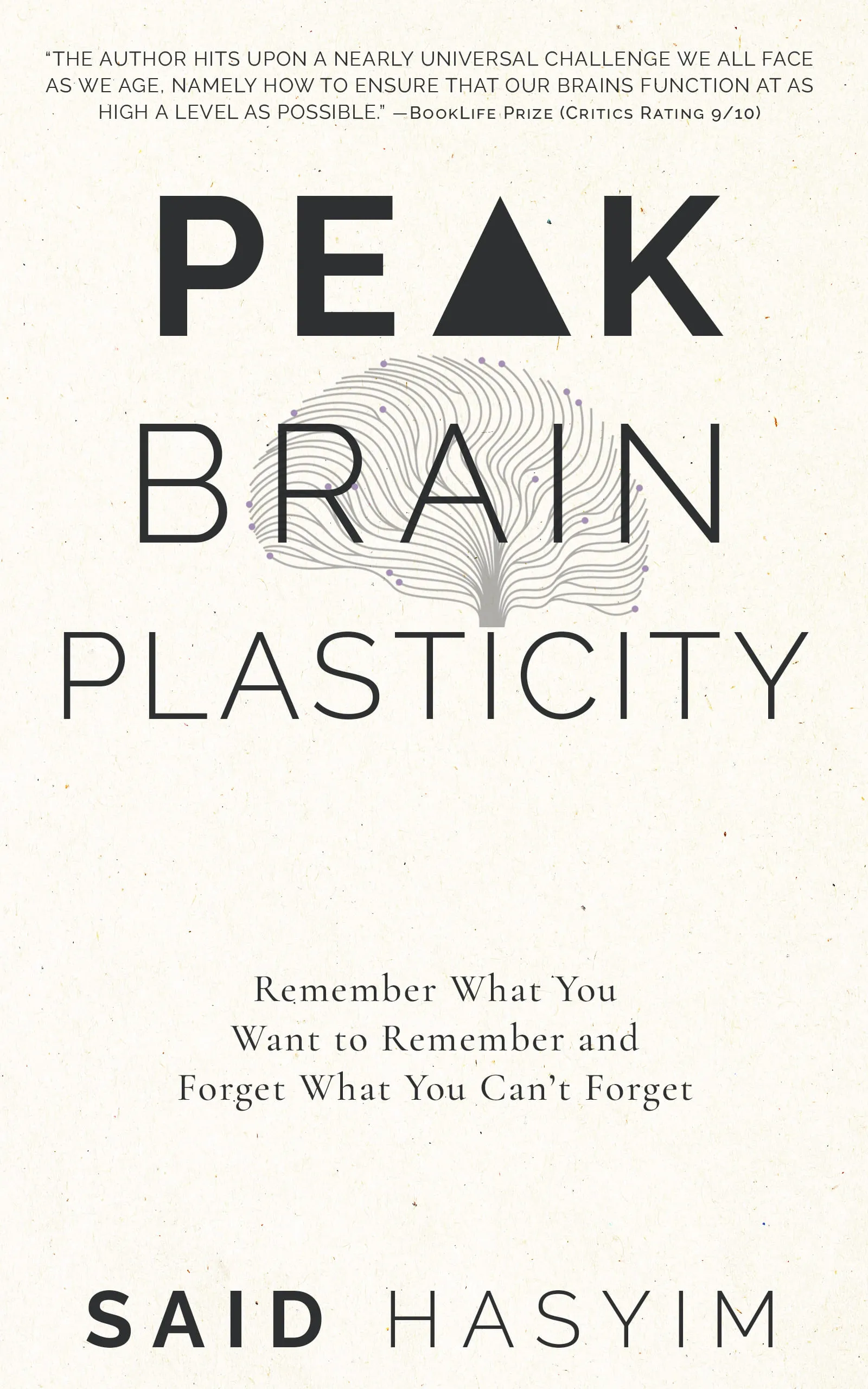
Harness the Power of Neuroplasticity
Discover Peak Brain Plasticity, a practical book to harnessing neuroplasticity. Enhance your memory, learn new languages quickly, and alleviate anxiety with effective study methods. Uncover daily habits that impact cognitive health and explore techniques for accelerated learning and memory retention. Unlock your brain's potential for growth and transformation.