Dismiss the Old: Techniques to Forget What You Don't Need
In today's fast-paced society, we’re constantly bombarded with more information than we can handle. The result? Mental clutter is commonplace, often leaving us feeling overwhelmed and unproductive. The challenge lies in distinguishing between what's necessary and what's simply taking up space—both mentally and physically. In this blog post, we will explore practical techniques to help you dismiss the old and embrace a more streamlined, focused life.
Understanding the Need for Dismissal
Before diving into techniques, let’s understand why it’s important to let go of what no longer serves us. Our minds and environments should be sanctuaries of clarity—places that inspire creativity and productivity. Holding onto old ideas, negative beliefs, outdated possessions, and unnecessary commitments can cloud our judgment and sap our energy.
The Psychological Benefits of Letting Go
Letting go can lead to:
- Reduced Anxiety: A cluttered mind leads to cluttered thoughts. Dismissing what's unnecessary can bring calm.
- Enhanced Focus: When you clear away distractions, it becomes easier to focus on what truly matters.
- Improved Creativity: A clear mental space fosters creativity and critical thinking.
- Greater Sense of Control: Taking charge of what you keep and dismiss provides a sense of empowerment.
With these benefits in mind, let’s explore techniques for dismissal.
Techniques to Forget what You Don't Need
1. The One-Year Rule
One effective technique is the “One-Year Rule” for both physical possessions and commitments. Ask yourself: “Have I used this item or engaged in this activity in the past year?” If the answer is no, it may be time to let go. This rule helps eliminate clutter and ensures you focus only on what adds value to your life.
Tip
Set aside a specific time each year—such as during spring cleaning or New Year's—to assess your belongings and commitments under this rule.
2. Mind Mapping for Clarity
Mind mapping is a visual technique that enables you to organize thoughts and ideas. Create a mind map of your current commitments, obligations, and old beliefs. Once visualized, it becomes easier to isolate what no longer serves you.
Steps:
- Start with a central idea (e.g., "Things I Need to Let Go").
- Branch out into different categories (e.g., physical possessions, mental beliefs).
- Reflect on each branch and identify what can be dismissed.
3. The “Three Boxes” Method
This method is excellent for decluttering both physical and mental spaces. Label three boxes as follows:
- Keep: Items or commitments that bring joy and value.
- Donate/Sell: Items that are still useful but no longer needed.
- Trash/Revisit: Items that have no value and should be discarded or ideas that no longer serve you.
Implementation
While sorting through your belongings or commitments, place each item in one of the boxes. Doing this helps visualize what you’re keeping versus what you’re ready to let go of.
4. Journaling for Self-Reflection
Writing down your thoughts can be a cathartic process, allowing you to externalize what’s cluttering your mind. Dedicate a section of your journal specifically for listing things you want to let go of—whether they’re physical objects or mental burdens.
Tips:
- Set a timer for 10-15 minutes and write without stopping.
- After your session, review what you’ve written, and identify patterns or recurring themes that indicate what you might want to dismiss.
5. Cultivating Mindfulness
Mindfulness is the practice of being present in the moment and can be incredibly helpful in letting go of past burdens. By training yourself to focus on the here and now, you’ll learn to appreciate what truly matters and dismiss the distracting old narratives.
Practices to Integrate:
- Meditation: Spend a few minutes each day focusing on your breath, observing your thoughts without judgment, and gently guiding your mind back when it wanders to the past.
- Gratitude Journaling: Every morning or night, write down three things you’re grateful for. This can help you shift your focus from what’s unnecessary to what’s valuable.
6. Setting Intentions
Setting intentions is about consciously deciding what you want to bring into your life, which naturally helps to identify what you want to let go of. Start each week by setting specific intentions that align with your goals and values, and use these intentions to guide your decisions.
Steps:
- Write down your intentions for the week.
- Check in regularly to see if your actions align with your intentions.
- Be brave in releasing anything that doesn’t contribute to your goals.
7. Declutter Digitally
In our digital age, mental clutter often comes in the form of overflowing inboxes, unused apps, and endless digital files. Regularly declutter your digital life by:
- Organizing folders on your computer.
- Unsubscribing from unnecessary email lists.
- Practicing the “two-minute rule”: if a task can take less than two minutes to complete—like responding to an email—do it immediately rather than letting it build up.
8. Seek Support
Sometimes, letting go can be challenging. Consider sharing your goals with a trusted friend or joining a decluttering group. External accountability can be a powerful motivator and can help you stick to your goal of dismissing the old.
Conclusion
Learning to dismiss what we don't need is an important skill that leads to greater clarity, focus, and overall well-being. Whether you’re decluttering your physical space or your mental landscape, the techniques we’ve discussed offer practical ways to facilitate this process.
Start with small steps and remember that letting go is not just about discarding—it’s about creating space for new opportunities, memories, and experiences. Embrace this journey of dismissal, and you'll find that life becomes simpler and more enjoyable.
So, what are you waiting for? It’s time to dismiss the old and make room for the new!
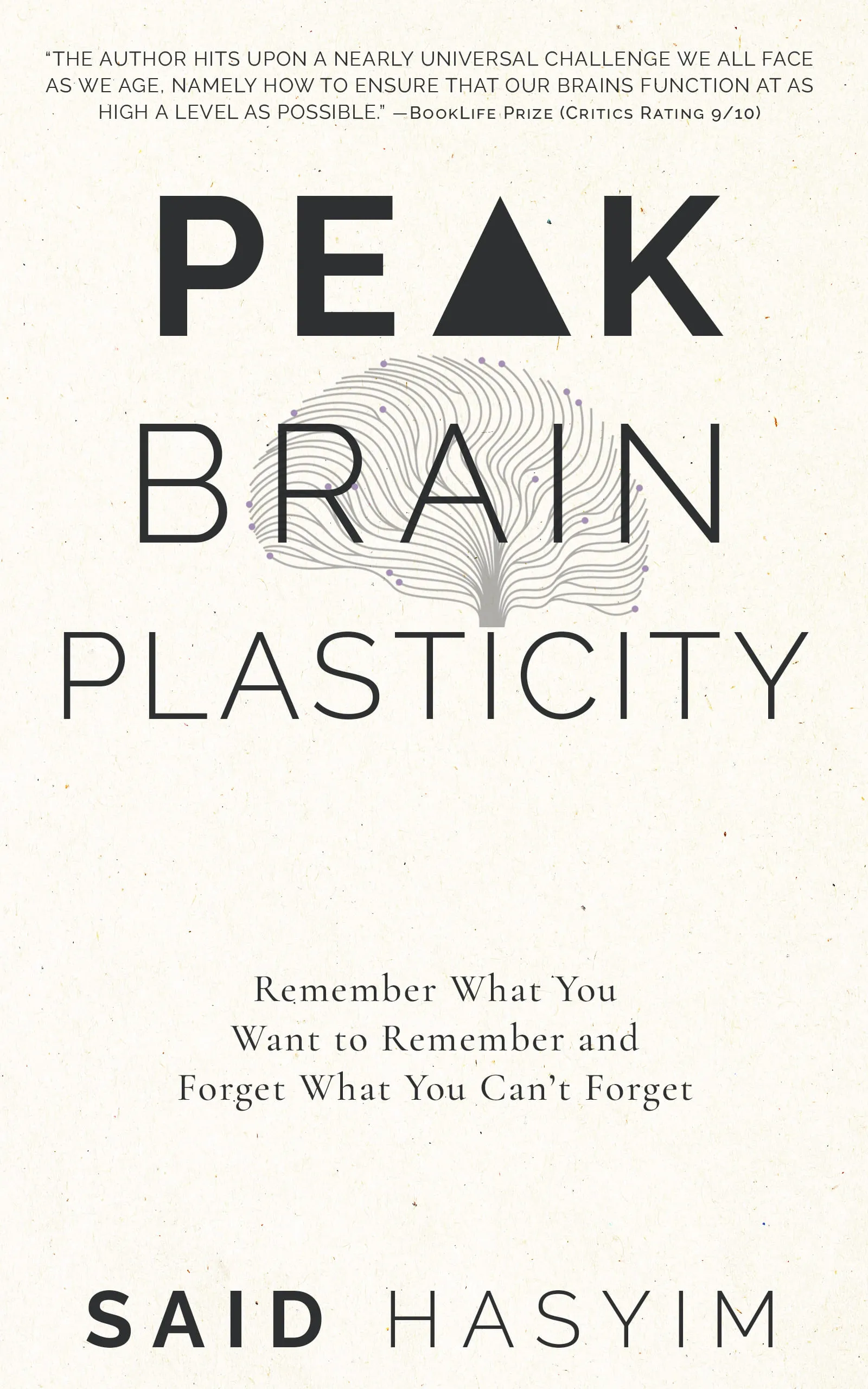
Harness the Power of Neuroplasticity
Discover Peak Brain Plasticity, a practical book to harnessing neuroplasticity. Enhance your memory, learn new languages quickly, and alleviate anxiety with effective study methods. Uncover daily habits that impact cognitive health and explore techniques for accelerated learning and memory retention. Unlock your brain's potential for growth and transformation.