Dietary Choices for Optimal Brain Plasticity
When it comes to maintaining and enhancing cognitive health, one of the most exciting areas of research is brain plasticity. The brain's ability to adapt, reorganize, and form new neural connections throughout life is crucial for learning, memory, and recovery from injury. While various factors influence brain plasticity, diet has emerged as a powerful modulator of cognitive function. This blog post will delve into dietary choices that can optimize brain plasticity, discussing the nutrients and foods that nourish our brains and support their remarkable adaptability.
Understanding Brain Plasticity
Before we explore dietary choices, it's important to understand what brain plasticity is. Neuroplasticity, or brain plasticity, refers to the brain's ability to change and adapt in response to experience and learning. It involves two main processes:
- Synaptic Plasticity: The strengthening or weakening of synapses, which are the connections between neurons.
- Structural Plasticity: The brain's ability to physically change its structure in response to learning and experience.
These changes are influenced by various factors, including genetics, environment, physical activity, and—quite significantly—nutrition.
The Connection Between Diet and Brain Health
The brain consumes a large proportion of the body's energy and requires a stable supply of nutrients to function optimally. The right dietary choices can enhance neuroplasticity by providing essential nutrients that support brain health. Here's a closer look at some key nutrients and the foods that are rich in them.
1. Omega-3 Fatty Acids
Omega-3 fatty acids, particularly docosahexaenoic acid (DHA), are crucial for brain function. They play a vital role in forming the backbone of brain cell membranes and are involved in neurogenesis, the creation of new neurons.
Foods Rich in Omega-3:
- Fatty fish (salmon, mackerel, sardines)
- Flaxseeds and flaxseed oil
- Chia seeds
- Walnuts
- Algal oil (a plant-based source of DHA)
2. Antioxidants
Oxidative stress can negatively impact brain health and plasticity. Antioxidants help combat oxidative stress by neutralizing free radicals. A diet rich in antioxidants can protect brain cells and promote neuroplasticity.
Foods High in Antioxidants:
- Berries (blueberries, strawberries, raspberries)
- Dark chocolate (with a high cocoa content)
- Green tea
- Spinach and kale
- Artichokes
3. B Vitamins
B vitamins, including B6, B12, and folate, play various roles in brain health. They are essential for the production of neurotransmitters and help reduce homocysteine levels, a marker associated with an increased risk of cognitive decline.
Foods High in B Vitamins:
- Whole grains (brown rice, oats, quinoa)
- Leafy greens (spinach, broccoli, kale)
- Eggs
- Legumes (beans, lentils)
- Meats and fish (chicken, beef, salmon)
4. Vitamin D
Vitamin D has garnered attention for its potential neuroprotective effects and role in neuroplasticity. Low levels of vitamin D have been associated with various cognitive disorders and may impede learning and memory.
Sources of Vitamin D:
- Fatty fish (salmon, tuna)
- Fortified foods (milk, orange juice)
- Egg yolks
- Sunlight exposure (the body synthesizes vitamin D upon sun exposure)
5. Polyphenols
Polyphenols are plant compounds with antioxidant properties that have been shown to enhance cognitive function and promote neuroplasticity. They can improve blood flow to the brain and stimulate the growth of new neurons.
Foods Rich in Polyphenols:
- Dark chocolate
- Berries
- Green tea
- Red wine (in moderation)
- Apples
6. Healthy Fats
Healthy fats, especially monounsaturated and polyunsaturated fats, support brain health by providing energy and maintaining cell membrane integrity.
Healthy Fats Include:
- Avocados
- Olive oil
- Nuts and seeds
- Fatty fish
7. Proteins
Amino acids from proteins are the building blocks of neurotransmitters, which communicate between neurons and are essential for mood regulation, memory, and overall brain function.
Protein Sources:
- Lean meats (chicken, turkey)
- Fish
- Eggs
- Dairy products
- Plant-based proteins (tofu, beans, lentils)
Additional Dietary Tips for Enhancing Brain Plasticity
1. Maintain a Balanced Diet
A balanced diet is key to ensuring you receive all the necessary nutrients. Focus on incorporating a variety of whole foods, including fruits, vegetables, whole grains, healthy fats, and lean proteins.
2. Stay Hydrated
Water is crucial for overall health, including cognitive function. Dehydration can lead to a decreased ability to concentrate and increased fatigue. Aim to drink plenty of water throughout the day.
3. Limit Processed Foods and Sugars
Diets high in processed foods and added sugars can lead to inflammation and oxidative stress, both of which may negatively impact brain health. Instead, prioritize whole, unprocessed foods.
4. Consider Regular Meal Timing
Some studies suggest that eating at regular intervals may help optimize brain function. Try to consume balanced meals and snacks throughout the day to maintain steady energy levels.
5. Include Brain-Boosting Snacks
Incorporate healthy snacks into your diet to provide a steady supply of energy and nutrients for your brain. Examples include a handful of nuts, yogurt with berries, or carrot sticks with hummus.
6. Embrace Mindful Eating
Mindfulness in eating encourages you to focus on flavors, textures, and the overall dining experience. This practice not only fosters a healthier relationship with food but may also enhance cognitive functions by reducing stress and promoting better digestion.
Conclusion
Dietary choices play a fundamental role in optimizing brain plasticity. By including nutrient-dense foods that support brain health, we can cultivate an environment that encourages the brain to learn, adapt, and grow. While genetics and lifestyle factors do exert influence, understanding the pivotal role of nutrition empowers us to take charge of our cognitive health.
By incorporating omega-3s, antioxidants, B vitamins, vitamin D, polyphenols, healthy fats, and high-quality proteins, along with mindful eating habits, you can make meaningful strides in enhancing your brain's plasticity. Whether you are on a journey of lifelong learning, recovering from an injury, or simply aiming to maintain cognitive sharpness, your dietary choices are a powerful tool in nurturing your brain's remarkable capabilities.
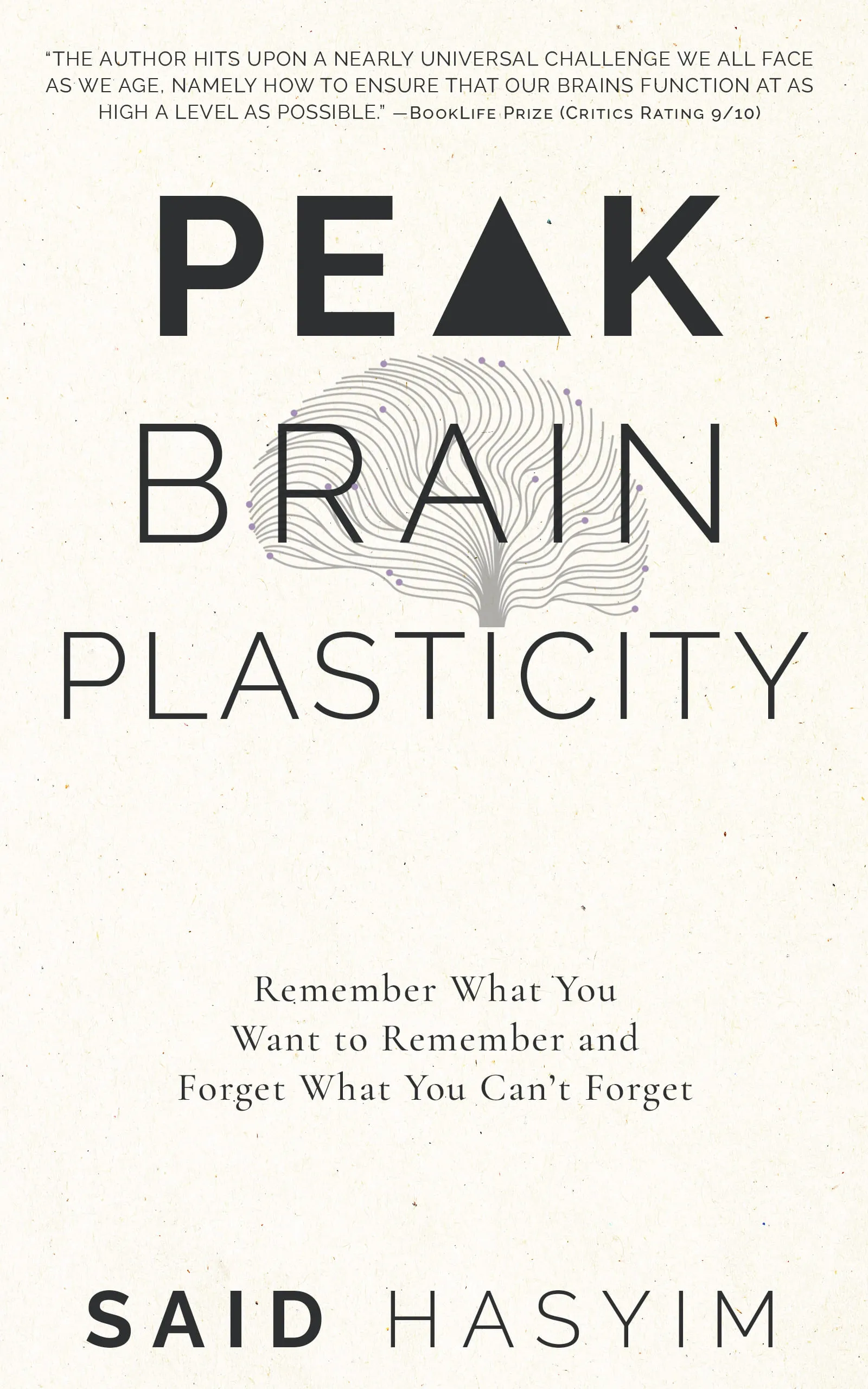
Harness the Power of Neuroplasticity
Discover Peak Brain Plasticity, a practical book to harnessing neuroplasticity. Enhance your memory, learn new languages quickly, and alleviate anxiety with effective study methods. Uncover daily habits that impact cognitive health and explore techniques for accelerated learning and memory retention. Unlock your brain's potential for growth and transformation.