Creative Memory Techniques That Work
In today’s fast-paced world, we often find ourselves bombarded with information. Whether we're cramming for a test, trying to remember a client’s name, or simply attempting to keep track of our daily tasks, having robust memory strategies can significantly improve our efficiency and reduce cognitive overload. Fortunately, a variety of creative memory techniques can enhance our recall and retention abilities. Below, we'll explore some of the most effective methods that you can easily incorporate into your daily routine.
The Importance of Memory Techniques
Before diving into specific techniques, it's worth underscoring why memory matters. Strong memory skills can lead to improved academic performance, better professional opportunities, and enhanced personal relationships. Moreover, having a rich, vibrant memory can increase self-confidence and foster a zest for life. By utilizing creative memory techniques, you're not only working to improve your cognitive abilities but also empowering yourself to make the most out of every experience.
1. The Method of Loci
Also known as the Memory Palace technique, the Method of Loci is one of the oldest and most effective memory strategies. It revolves around the use of spatial memory—transforming the information you want to remember into memorable locations.
How it Works
- Choose a Familiar Place: This can be your home, office, or any place you know well.
- Visualize Specific Locations: Imagine walking through this place and identify various markers—furniture, doors, paintings, etc.
- Associate Information with Locations: As you mentally walk through, place images or concepts you want to remember at these locations. The more vivid and unusual the imagery, the better.
- Practice Retrieval: When it's time to recall the information, simply retrace your steps through the locations.
Example
If you need to remember a grocery list, visualize placing apples on your living room sofa, milk in the hall closet, and bread in your bedroom. The unusual placements will help solidify these items in your mind.
2. Chunking
Chunking is a simple yet effective technique that involves breaking down large amounts of information into smaller, more manageable groups or "chunks."
How it Works
- Identify the Material: Determine what you need to remember (a phone number, a long list, etc.).
- Group the Information: Organize this information into chunks. For instance, instead of trying to remember "123456789," you’d group it as "123-456-789."
- Create a Pattern: Look for patterns or groups within your chunks that can help aid in recall.
Example
Phone numbers, social security numbers, or long strings of digits become far more manageable when chunked into smaller sequences.
3. Use of Mnemonics
Mnemonics are tools that help you remember complex information through creative memory aids. They can take various forms such as acronyms, phrases, images, or rhymes.
How it Works
- Identify Key Information: Determine the information that is challenging to remember.
- Create a Mnemonic: Formulate a catchy acronym or phrase. For example, the mnemonic “My Very Educated Mother Just Served Us Noodles” can help recall the order of planets in our solar system.
- Make it Personal: The more personal or ridiculous the mnemonic, the easier it will be to remember.
Example
If you need to remember a specific order of items, create a rhyming phrase that connects them, such as "Frogs can leap, Jellybeans are sweet, Apples are tart, while Oranges can’t compete."
4. Visualization Techniques
Visualizing concepts, ideas, or information can create powerful mental images that enhance memory and recall.
How it Works
- Transform Information into Visuals: Try converting abstract concepts into concrete images.
- Make it Colorful and Dynamic: Use colors, movements, or even emotions in your visuals. The more engaging, the better.
- Relate Visuals to Existing Knowledge: Connect new visuals to familiar ones to create a stronger memory link.
Example
In learning new vocabulary, rather than simply memorizing definitions, imagine a situation depicting the word. If you’re learning the word "serene," visualize a peaceful lake at sunrise.
5. Teaching Others
One of the most effective ways to cement information in your memory is to teach it to someone else. This method, often referred to as the Feynman Technique, helps you identify gaps in your own understanding while simultaneously reinforcing your knowledge.
How it Works
- Study the Material: Begin by learning the concept or information thoroughly.
- Explain it Simply: Teach the concept to a friend or family member as if they are unfamiliar with it. Simplifying the information forces you to truly understand it.
- Identify Gaps: If you can’t explain certain parts, revisit those areas until you're able to teach them confidently.
Example
If you’re trying to understand a complex theory in your studies, explain it to a classmate or even in front of a mirror. This will help clarify your understanding and enhance memory retention.
6. Mind Mapping
Mind mapping is a visual representation of information that organizes thoughts and reflects relationships among different concepts.
How it Works
- Start with a Central Idea: Write down the main topic.
- Branch Out with Related Concepts: From the central idea, create branches for related concepts, facts, or keywords.
- Use Colors and Images: Different colors and illustrations can help differentiate branches and make the mind map more engaging and memorable.
Example
Creating a mind map for a project can assist in organizing thoughts, which enhances the ability to remember facts and concepts related to the project subject.
Conclusion
Mastering creative memory techniques can transform the way you absorb and recall information. Whether it's through the Method of Loci, chunking, mnemonics, visualization, teaching others, or mind mapping, employing these strategies can lead to significant improvements in your memory capabilities. As with any skill, practice is key. Implement these techniques regularly, and over time, you'll find your memory sharper and your cognitive load lighter. So why not start today? Embrace a world where you take charge of your memory, enhance your learning experiences, and ultimately enrich your life!
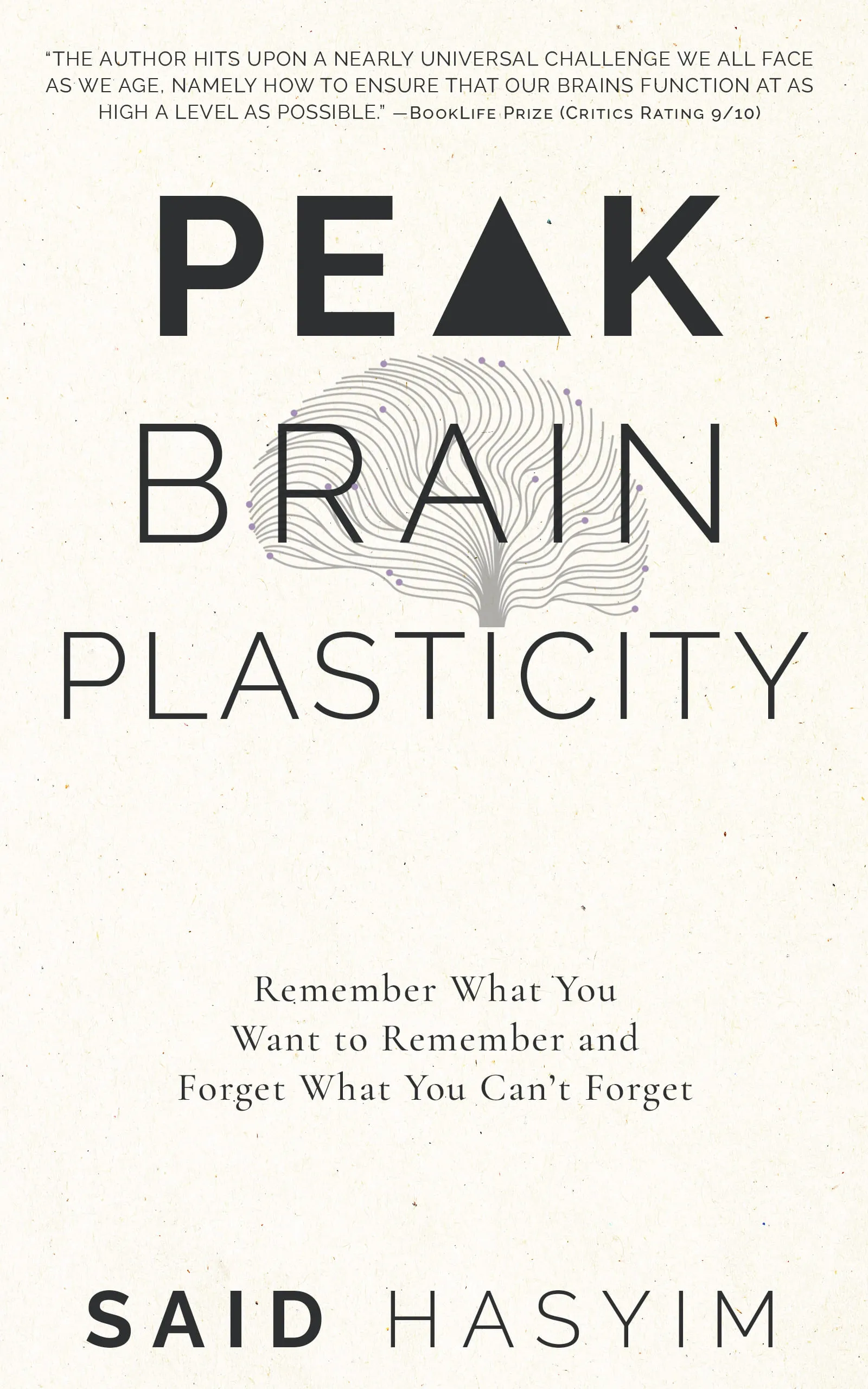
Harness the Power of Neuroplasticity
Discover Peak Brain Plasticity, a practical book to harnessing neuroplasticity. Enhance your memory, learn new languages quickly, and alleviate anxiety with effective study methods. Uncover daily habits that impact cognitive health and explore techniques for accelerated learning and memory retention. Unlock your brain's potential for growth and transformation.