Brain Training: Strategies for Enhanced Memory Recall
Memory is a fascinating aspect of our cognitive abilities. It influences our daily lives, helps us learn, and shapes our understanding of the world. However, in an age where information is constantly bombarding us, improving memory recall has never been more important. Whether you’re a student struggling with exams, a professional seeking to boost your productivity, or simply someone who wants to keep their brain sharp as they age, this guide will equip you with effective strategies for enhanced memory recall.
Understanding Memory
Before diving into the strategies, it's helpful to understand the types of memory. Memory can be broadly categorized into three types:
Sensory Memory: This is the initial stage where sensory information is stored for a brief moment (a few seconds) before being processed further.
Short-term Memory: Also known as working memory, this is where information is temporarily held for manipulation and use. It typically lasts from 20 seconds up to a minute.
Long-term Memory: This is where information is stored more permanently, ranging from days to decades. It has a virtually unlimited capacity and is divided into explicit (conscious) and implicit (unconscious) memories.
Understanding the different types of memory can help you tailor your strategies for better recall.
Techniques for Enhanced Memory Recall
1. Visualization
Visualization involves creating mental images of what you want to remember. The more vivid and detailed these images are, the more effective this technique becomes. For instance, if you're trying to remember a grocery list, imagine the items being used in a scene: visualize apples rolling off the table or milk spilling all over the floor.
2. Chunking
Chunking is a popular method that involves breaking down large pieces of information into smaller, manageable groups. For example, instead of trying to remember the number 149217761941, you could chunk it into 1492, 1776, and 1941, making it easier to remember important historical dates.
3. Mnemonic Devices
Mnemonics are memory aids that help with the retention of information by associating them with familiar concepts. Common examples include acronyms (e.g., ROYGBIV for the colors of the rainbow) and rhymes (e.g., "Thirty days hath September..."). Creating personalized mnemonics or using those that are widely recognized can significantly boost recall.
4. Spaced Repetition
Rather than cramming information into one marathon study session, spaced repetition involves reviewing material several times over increasing intervals. Research shows that this technique not only helps transfer knowledge to long-term memory but also reinforces it over time.
5. Active Recall
Active recall involves actively engaging with the material you want to remember, rather than passively reviewing it. For example, after reading a section of a book, try to recall its key points from memory. This method challenges your brain and helps strengthen the neural connections related to the information.
6. Mind Mapping
Mind mapping is a creative way to represent information visually. By creating a diagram that connects ideas, you can see relationships and hierarchies between concepts, making it easier to remember. This approach is especially useful for complex subjects that require an understanding of how different pieces fit together.
7. Establishing a Routine
Consistency can enhance memory recall. Establishing a routine around study times or review sessions can reinforce habits and improve memory retention. For instance, setting aside time each day to review something new you've learned strengthens the links in your long-term memory.
8. Healthy Lifestyle Choices
A healthy body contributes to a healthy mind. Some lifestyle choices can significantly impact memory:
Sleep: Aim for 7-9 hours of quality sleep each night. Sleep plays a crucial role in memory consolidation.
Nutrition: A balanced diet that includes omega-3 fatty acids, antioxidants, and vitamins can boost brain health. Foods like fatty fish, berries, and leafy greens are great choices.
Exercise: Regular physical activity increases blood flow to the brain, promoting neurogenesis (the creation of new neurons) and enhancing overall cognitive function.
9. Stay Mentally Active
Engaging in activities that challenge your cognitive abilities keeps your brain sharp. Puzzles, learning a new language, playing musical instruments, or even playing strategy games can stimulate your mind and enhance memory recall.
10. Mindfulness and Meditation
Practicing mindfulness and meditation can greatly improve focus and concentration, which are essential for memory. These practices help reduce stress and anxiety, which can often hinder our ability to recall information. Regular mindfulness sessions can help clear your mind and enhance your memory capabilities over time.
Conclusion
Improving memory recall is not just about learning hacks and tricks; it’s also about forming habits that promote cognitive health. Embrace these strategies, and incorporate them into your daily routine. With consistent practice, you’ll not only enhance your memory but also boost your overall cognitive function and enrich your learning journey.
Remember, your brain is incredibly adaptable. The more you challenge it, the stronger and more agile it becomes. So, keep training—your memory will thank you!
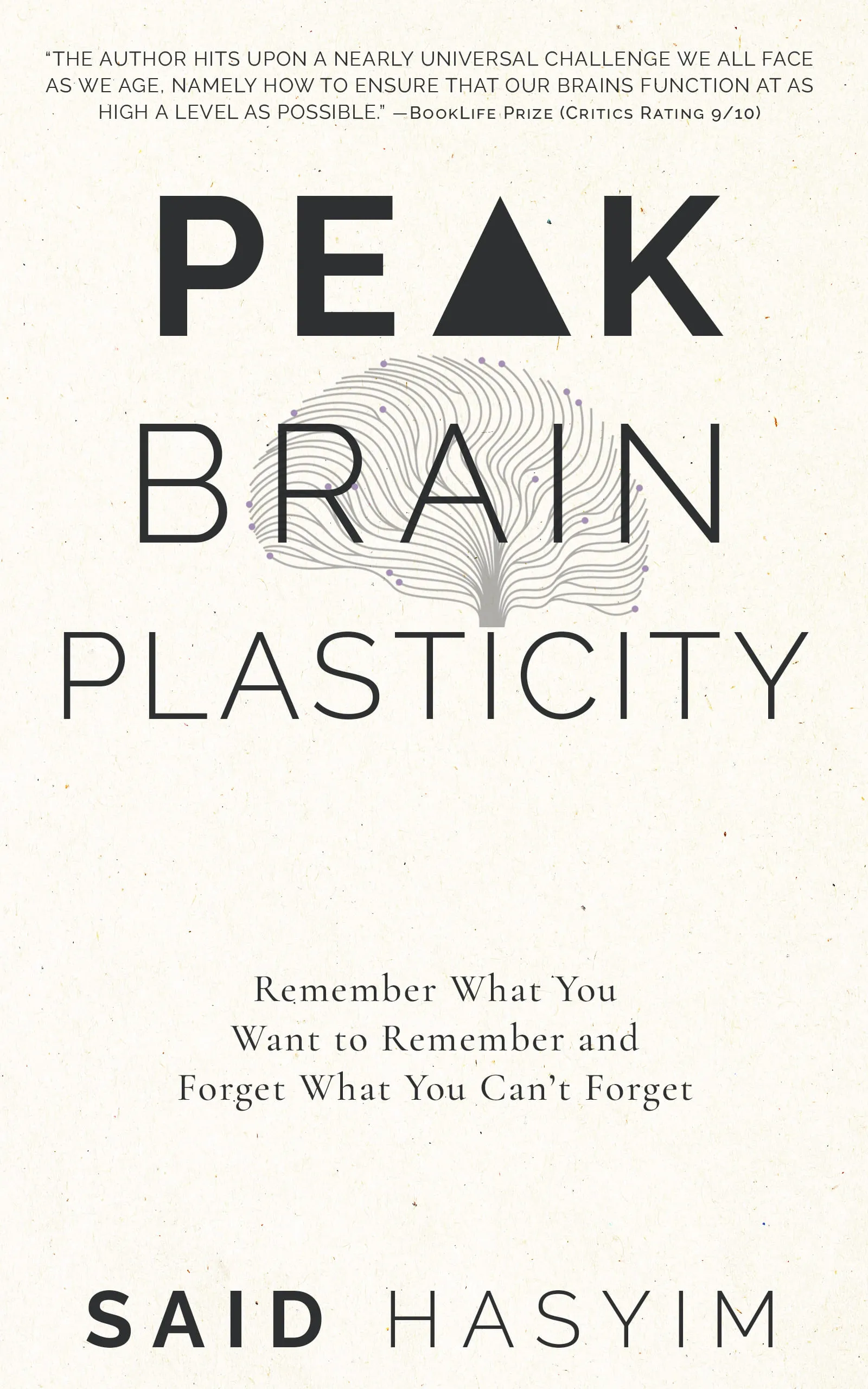
Harness the Power of Neuroplasticity
Discover Peak Brain Plasticity, a practical book to harnessing neuroplasticity. Enhance your memory, learn new languages quickly, and alleviate anxiety with effective study methods. Uncover daily habits that impact cognitive health and explore techniques for accelerated learning and memory retention. Unlock your brain's potential for growth and transformation.