Age-Related Memory Loss: What You Should Know
As we age, it's normal to experience changes in memory and cognitive function. Many people worry about memory loss as a natural part of aging, but understanding the nuances of age-related memory decline can help differentiate between normal aging and more serious conditions. In this post, we’ll explore what age-related memory loss is, its causes, symptoms, and tips for maintaining cognitive health as we grow older.
Understanding Age-Related Memory Loss
In general, age-related memory loss is characterized by a gradual decline in the ability to recall information, learn new things, and perform complex tasks. Unlike the severe memory loss associated with conditions like Alzheimer’s disease or other types of dementia, age-related changes are typically mild and do not significantly interfere with daily functioning.
Types of Memory
To better understand memory loss with age, it's helpful to know the different types of memory:
Short-term Memory: This involves the ability to remember information for a brief period, such as a phone number or a recent conversation.
Long-term Memory: This is responsible for storing information over longer periods, from facts and experiences to skills and habits.
Working Memory: This is a type of short-term memory that allows us to hold and manipulate information in our minds while performing cognitive tasks.
It's common for older adults to find that their short-term and working memory can be affected by age, while long-term memory for events from years ago tends to remain more stable.
Causes of Age-Related Memory Loss
While aging itself plays a significant role in memory changes, several factors can contribute to these changes:
1. Brain Changes
As we age, the brain undergoes physical changes such as a decrease in brain volume and alterations in the structure of neurons. These biological changes can slow down processing speed and affect the brain's ability to form new memories.
2. Hormonal Changes
Hormones play a crucial role in brain function. For instance, menopause in women often causes hormonal fluctuations that can lead to memory issues. Similarly, low testosterone levels in men may impact cognition.
3. Medical Conditions
Chronic conditions such as diabetes, hypertension, and cardiovascular diseases can affect brain health. Inflammation, oxygen deprivation, and poor glucose metabolism all contribute to cognitive decline.
4. Medications
Certain medications, especially those with sedative properties, can impair cognitive function and contribute to memory loss. It is essential to discuss the side effects of medications with a healthcare provider.
5. Lifestyle Factors
Factors such as diet, exercise, sleep, and stress also play a crucial role in cognitive health. A sedentary lifestyle, poor nutrition, and chronic stress can negatively impact memory.
Symptoms of Age-Related Memory Loss
Recognizing the symptoms of age-related memory loss can help differentiate it from more serious conditions. Some common signs include:
- Forgetting names of new acquaintances
- Misplacing items like keys or glasses
- Taking longer to complete tasks that were once easy
- Difficulty recalling recent events or conversations
- Feeling overwhelmed by decisions or cognitive tasks
If you or a loved one experiences significant memory loss that disrupts daily activities, it may be worth consulting a healthcare professional to rule out other causes.
Tips for Maintaining Cognitive Health
While some degree of memory loss is normal with aging, several strategies can help maintain cognitive health and enhance memory:
1. Stay Mentally Active
Engaging in activities that challenge the brain can help build cognitive resilience. Consider puzzles, reading, learning a new skill or language, or playing musical instruments.
2. Maintain Physical Health
Regular exercise can improve blood flow to the brain, which is essential for overall brain health. Aim for at least 150 minutes of moderate aerobic activity per week, alongside strength training exercises.
3. Eat a Brain-Healthy Diet
A diet rich in fruits, vegetables, whole grains, lean proteins, and healthy fats can support brain function. The Mediterranean diet, which emphasizes these foods, has been linked to better cognitive health.
4. Prioritize Sleep
Quality sleep is vital for memory consolidation. Aim for 7-9 hours of restorative sleep each night, and develop a healthy sleep routine to improve the quality of your rest.
5. Manage Stress
Chronic stress can take a toll on cognitive function. Mindfulness practices such as meditation, yoga, and deep breathing can be beneficial in managing stress levels.
6. Stay Socially Connected
Maintaining social relationships can provide emotional support, reduce feelings of loneliness, and stimulate cognitive engagement. Join clubs, attend community events, or volunteer to stay active within your community.
7. Regular Health Check-ups
Regular check-ups with healthcare providers can help monitor chronic conditions that could impact memory. Discuss any concerning symptoms and medication effects with your doctor.
When to Seek Help
If you or a loved one notice significant memory issues that interfere with daily life, it is crucial to consult a healthcare provider. Early diagnosis and intervention can help manage symptoms and potentially slow the progression of memory decline.
Conclusion
Age-related memory loss is a common experience that many will face as they grow older. Understanding the differences between normal aging and more serious cognitive decline is key. By adopting a healthy lifestyle and staying engaged mentally and socially, it is possible to support brain health and maintain a high quality of life well into the later years. Remember, memory changes are a part of life, but proactive measures can make a world of difference in how we experience aging.
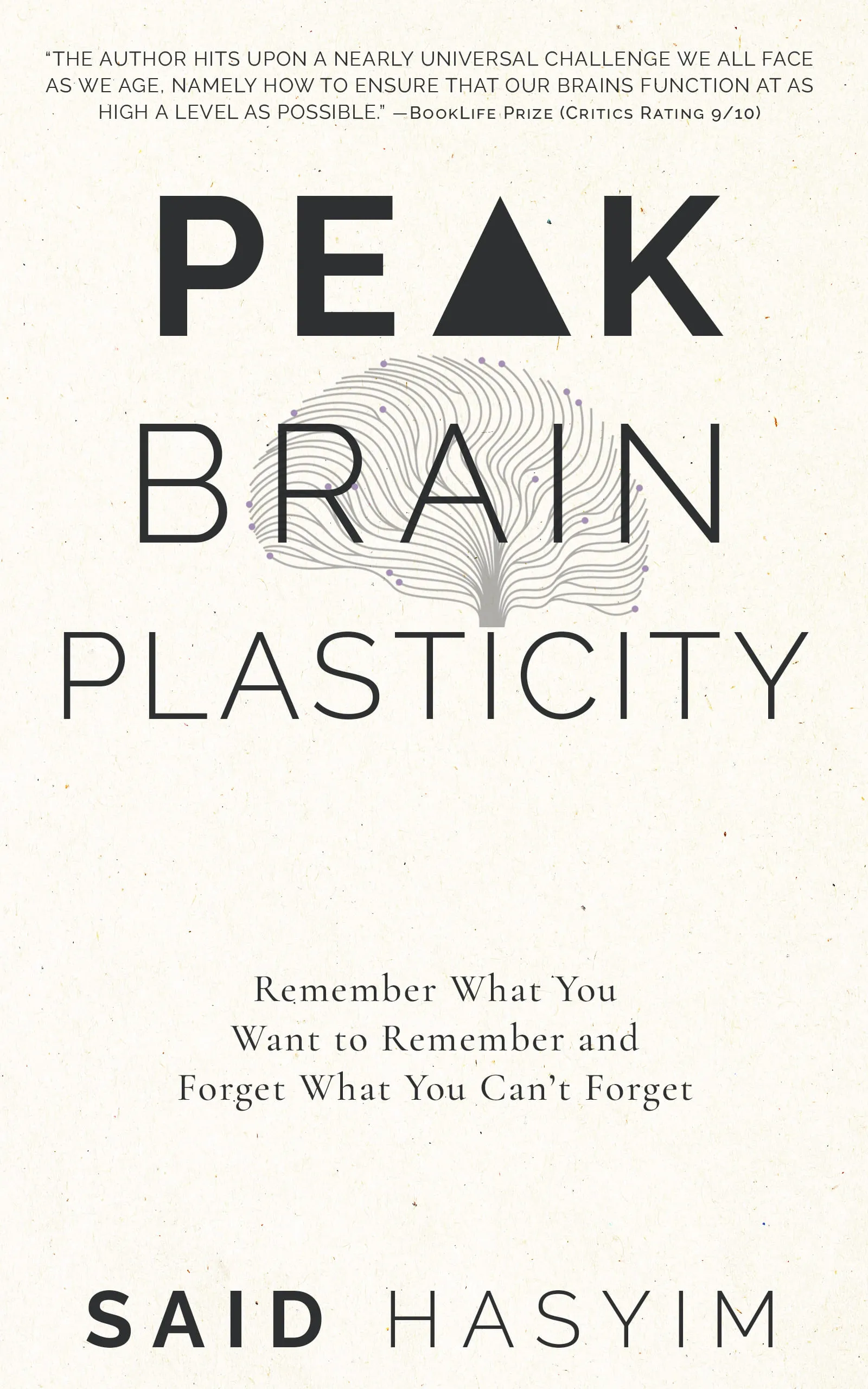
Harness the Power of Neuroplasticity
Discover Peak Brain Plasticity, a practical book to harnessing neuroplasticity. Enhance your memory, learn new languages quickly, and alleviate anxiety with effective study methods. Uncover daily habits that impact cognitive health and explore techniques for accelerated learning and memory retention. Unlock your brain's potential for growth and transformation.