A Guide to Enhancing Memory Through Lifestyle Choices
Memory is a fundamental aspect of our daily lives. It enables us to learn, make decisions, and recall past experiences. As we age, however, many people experience declines in memory function. Fortunately, our memory isn't solely influenced by genetics or aging; it's also significantly shaped by our lifestyle choices. This blog post provides insights into how various lifestyle decisions can optimize memory and cognitive function, empowering you to take charge of your mental health.
Understanding Memory
Before delving into the lifestyle choices that enhance memory, it’s essential to understand how memory works. Memory is broadly categorized into three types: sensory memory, short-term memory, and long-term memory.
Sensory Memory: This is the brief retention of sensory information. It lasts for a fraction of a second and holds onto stimuli from our environment.
Short-Term Memory: This type can hold information for a limited duration (usually around 20-30 seconds) and is crucial for tasks like remembering a phone number long enough to dial it.
Long-Term Memory: This is where memories are stored indefinitely, ranging from facts (like vocabulary) to experiential memories (like a family vacation). Effective practices can help convert short-term memory into long-term, enhancing overall recall.
Understanding these facets of memory can help us identify specific strategies to enhance our cognitive capacity.
1. Diet: Fuel for the Brain
Nutrition plays a vital role in brain health and memory enhancement. Here are a few dietary tips to consider:
Incorporate Omega-3 Fatty Acids
Omega-3s, found in fatty fish (like salmon and mackerel), walnuts, and flaxseeds, have been shown to support cognitive function. These essential fats are integral to the structure of brain cells and can improve memory performance.
Embrace Antioxidant-Rich Foods
Fruits and vegetables, particularly berries, spinach, and nuts, are rich in antioxidants. These substances combat oxidative stress, which can damage brain cells and result in cognitive decline. A colorful plate not only enhances physical health but also fosters mental agility.
Maintain a Balanced Diet
A diet rich in whole grains, lean proteins, and healthy fats can provide sustained energy to the brain. Avoid processed sugars and refined carbs, as they can lead to spikes and crashes in blood sugar, adversely affecting concentration and memory.
2. Regular Exercise: Get Moving for Memory
Physical activity is incredibly beneficial not just for physical health, but for brain health as well. Here’s why:
Increased Blood Flow
Exercise increases blood flow to the brain, promoting the delivery of oxygen and nutrients crucial for cognitive function. This enhanced circulation contributes to the growth of new neurons and strengthens existing brain cells, particularly in areas related to memory.
Stress Reduction
Regular physical activity significantly reduces stress and anxiety. These factors can impair memory; thus, managing them through exercise can lead to better cognitive performance. Aerobic exercises, in particular, have shown promising results in enhancing hippocampal volume, which is vital for memory formation.
Social Connections
Joining a sports team or participating in group exercises can foster social interactions, which have been linked to improved cognitive function. Human connections provide emotional support and can reduce the risk of mental decline.
3. Quality Sleep: The Nightly Brain Detox
Sleeping is crucial for memory consolidation. When we sleep, particularly during the REM stages, our brains process and store the information we've gathered throughout the day. Here are some tips to improve sleep quality:
Establish a Sleep Routine
Go to bed and wake up at the same time every day to set a regular sleeping pattern. Aim for 7 to 9 hours of quality sleep for optimal cognitive function.
Create a Restful Environment
Ensure your sleeping environment is conducive to rest. This includes minimizing noise, reducing light exposure, and maintaining a comfortable temperature.
Limit Stimulants
Avoid caffeine and electronic screens at least an hour before bedtime. Blue light emitted by devices can interfere with melatonin production, making it more challenging to fall asleep.
4. Mental Stimulation: Keep the Mind Engaged
Just like the body, the brain benefits from regular exercise. Engaging in mentally stimulating activities can enhance memory and cognitive abilities. Here are some suggestions:
Learn Something New
Take up a new hobby, learn a musical instrument, or pick up a new language. Challenging yourself to learn new skills stimulates neural connections and can bolster memory capacity.
Engage in Puzzles and Games
Engaging in puzzles like crosswords, sudoku, or strategy-based games can improve problem-solving skills and enhance both memory and cognitive abilities.
Read Regularly
Reading can improve concentration, vocabulary, and analytical thinking, all of which can boost memory performance. Join a book club to enhance motivation and social interaction.
5. Mindfulness and Stress Management
Prolonged exposure to stress can lead to memory impairments, making stress management a vital component of cognitive health. Here are some strategies for maintaining mindfulness:
Practice Meditation
Mindfulness meditation has been shown to enhance focus, cognition, and emotional regulation. Even a few minutes of meditation a day can help clear your mind and improve your ability to retain information.
Deep Breathing Exercises
Incorporate deep breathing exercises into your daily routine. Mindful breathing can reduce stress, increase relaxation, and help maintain focus, all of which can positively impact memory.
Establish Healthy Boundaries
Work-life balance is essential for mental well-being. Set boundaries to manage your time effectively, allowing for relaxation and leisure activities that support memory and cognitive function.
Conclusion
Enhancing memory through lifestyle choices is an empowering process that impacts overall health and wellbeing. By adopting a comprehensive approach that includes proper nutrition, regular exercise, quality sleep, mental stimulation, and mindfulness, you can boost your memory function and cognitive resilience over time.
Making consistent, small changes can lead to significant improvements in memory and cognitive capabilities. Remember, your brain is a muscle that requires nurturing and exercise, just like any other part of your body. Start today, and invest in your memory for a brighter, more capable tomorrow.
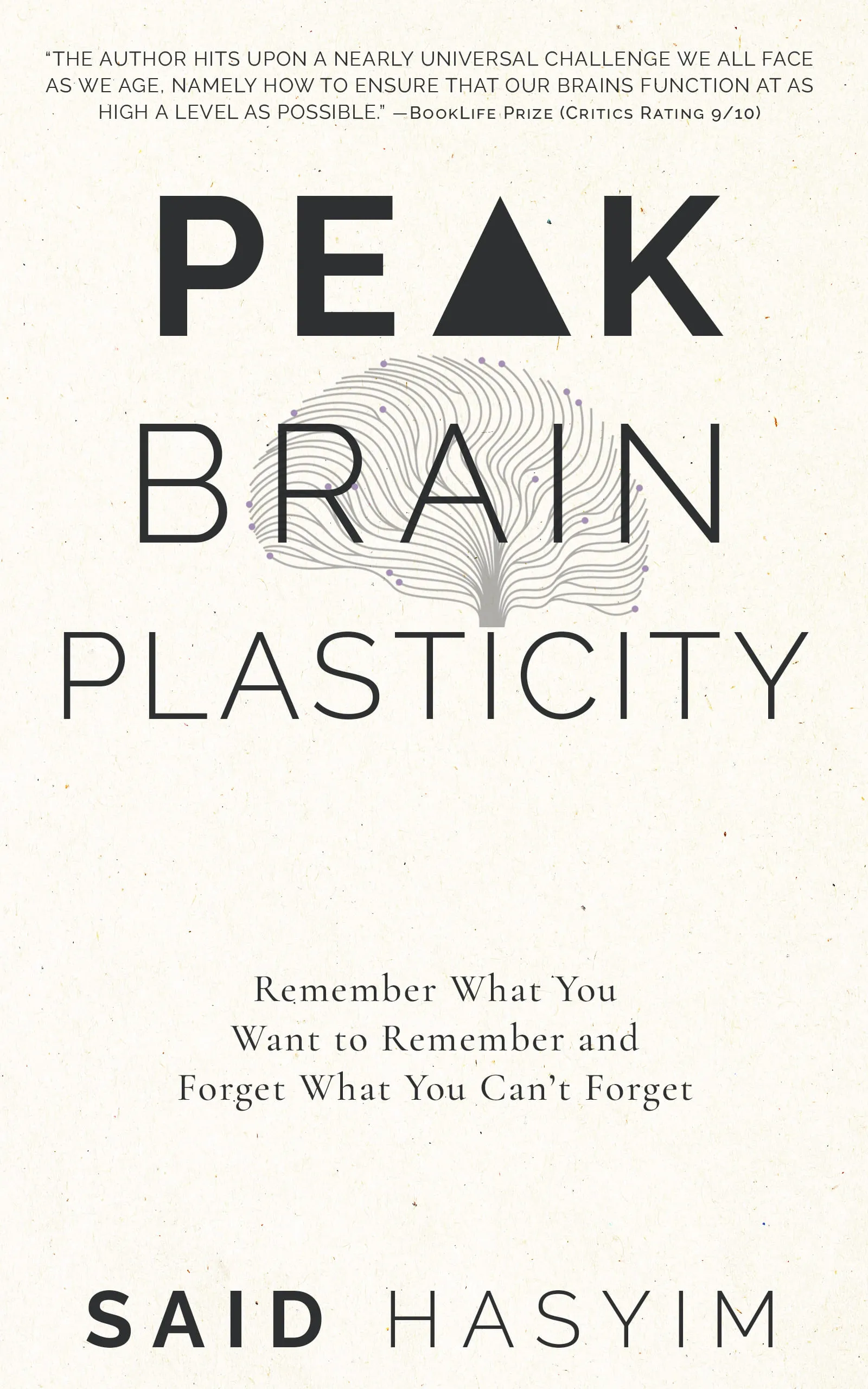
Harness the Power of Neuroplasticity
Discover Peak Brain Plasticity, a practical book to harnessing neuroplasticity. Enhance your memory, learn new languages quickly, and alleviate anxiety with effective study methods. Uncover daily habits that impact cognitive health and explore techniques for accelerated learning and memory retention. Unlock your brain's potential for growth and transformation.