A Comprehensive Guide to Great Memory Practices
Memory is not just a tool; it is the cornerstone of learning, creativity, and problem-solving. In our fast-paced world, honing our memory skills can significantly impact our personal and professional lives. This guide delves into effective and diverse memory practices that can help you enhance your memory capabilities, empowering you to retain information more effectively, recall it when needed, and ultimately boost your overall cognitive performance.
Understanding Memory
Before diving into memory practices, it's essential to understand how memory works. Memory involves encoding, storing, and retrieving information. It's categorized into three main types:
Short-term Memory (STM): Also known as working memory, STM holds information temporarily, typically for seconds to minutes. It processes new information and is crucial for tasks such as problem-solving and decision-making.
Long-term Memory (LTM): This memory type stores information over an extended period, from days to a lifetime. LTM is categorized into explicit ( declarative)—which includes facts and events—and implicit (non-declarative)—which includes skills and tasks.
Sensory Memory: This is the initial stage of memory where sensory information is held for a brief moment. It includes iconic (visual) and echoic (auditory) memory, allowing us to process and filter out information.
The Importance of Memory Practices
Emphasizing and practicing memory-enhancing techniques can lead to:
- Better academic performance: When studying, robust memory techniques can significantly improve grades and understanding.
- Increased productivity: Retaining essential information minimizes the time spent on review and allows smoother task execution.
- Enhanced creativity: A well-trained memory enables better connections between ideas, fostering innovation.
- Improved quality of life: Remembering names, important dates, and personal experiences enhances social interactions and strengthens relationships.
Effective Memory Practices
1. Mind Mapping
Mind mapping utilizes visual associations to organize and retain information effectively. Here’s how to create a mind map:
- Choose a central concept: Start with a main idea or topic at the center of your page.
- Branch out: Draw lines to connect subtopics related to the main idea.
- Use colors and images: Incorporate colors and visuals to enhance the map's appeal, making it more memorable.
2. Chunking Information
Chunking involves breaking down large pieces of information into smaller, manageable units. This method leverages our brain's capacity to remember chunks instead of individual items. For example, instead of trying to remember a long number like 1234567890, you can chunk it into 123-456-7890.
3. The Method of Loci
Also known as the memory palace technique, this method uses visualization to improve recall. Here’s how to implement it:
- Create a familiar place: Choose a location you know well, like your home or a favorite route.
- Visualize items: Associate specific pieces of information with distinct locations within that space.
- Retrieval: When you need to recall the information, visualize walking through the memory palace, retrieving items as you go.
4. Repetition and Spaced Learning
Repetition is a classic memory-enhancing technique. However, it's essential to understand the concept of spaced learning, which involves reviewing information at increasing intervals.
- Short-term repetition: Review information shortly after learning it to reinforce memory.
- Long-term spaced practice: Plan reviews over days, weeks, or months to enhance retention.
Research shows that spaced learning significantly improves long-term retention as it helps the brain form strong neural connections.
5. Association Techniques
Associating new information with existing knowledge can create powerful memory links. Here’s how to do it:
- Create mental images: Visualize or create images that represent the new information.
- Relate to personal experiences: Link information to experiences or emotions you've encountered, making it easier to recall later.
6. Storytelling
The human brain is wired to remember narratives. Building stories around information can make it more memorable. Here’s how to craft a storyline:
- Identify key points: Highlight the main facts or ideas you want to remember.
- Weave them into a story: Create a narrative that connects these points cohesively.
7. Healthy Lifestyle Choices
A sound mind requires a sound body. Here are some lifestyle habits that contribute to good memory:
- Regular physical activity: Exercise improves blood flow to the brain, which can enhance cognitive function.
- Balanced diet: Nutrient-rich foods, such as fish, nuts, and vegetables, can support brain health.
- Adequate sleep: Sleep plays a crucial role in memory consolidation, so prioritize good sleep hygiene.
- Stress management: High-stress levels can hinder memory function. Engage in relaxation techniques like meditation or yoga.
8. Using Technology Wisely
Leverage technology tools that can help boost memory, but remember to set boundaries to prevent distractions:
- Apps: Use applications designed for flashcards or spaced repetition to assist your study efforts.
- Digital reminders: Utilize calendar apps to keep track of essential dates and tasks, allowing mental space for more complex memory work.
9. Practice Mindfulness
Mindfulness exercises can enhance your ability to focus and retain information. Incorporate practices such as meditation or deep breathing to improve your attention span, which can lead to better memory.
Conclusion
Great memory practices are invaluable tools that can enhance your learning and retention skills. By employing techniques such as mind mapping, chunking, spacing, and storytelling, you create a robust memory system that can serve you in various aspects of life. Moreover, maintaining a healthy lifestyle and being mindful of how you use technology will support your cognitive development.
Remember, mastering memory is not an overnight task; it takes time, patience, and practice. Start small, incorporate these techniques into your daily routine, and watch your memory capabilities grow. Embrace the journey and enjoy the newfound empowerment of your enhanced memory!
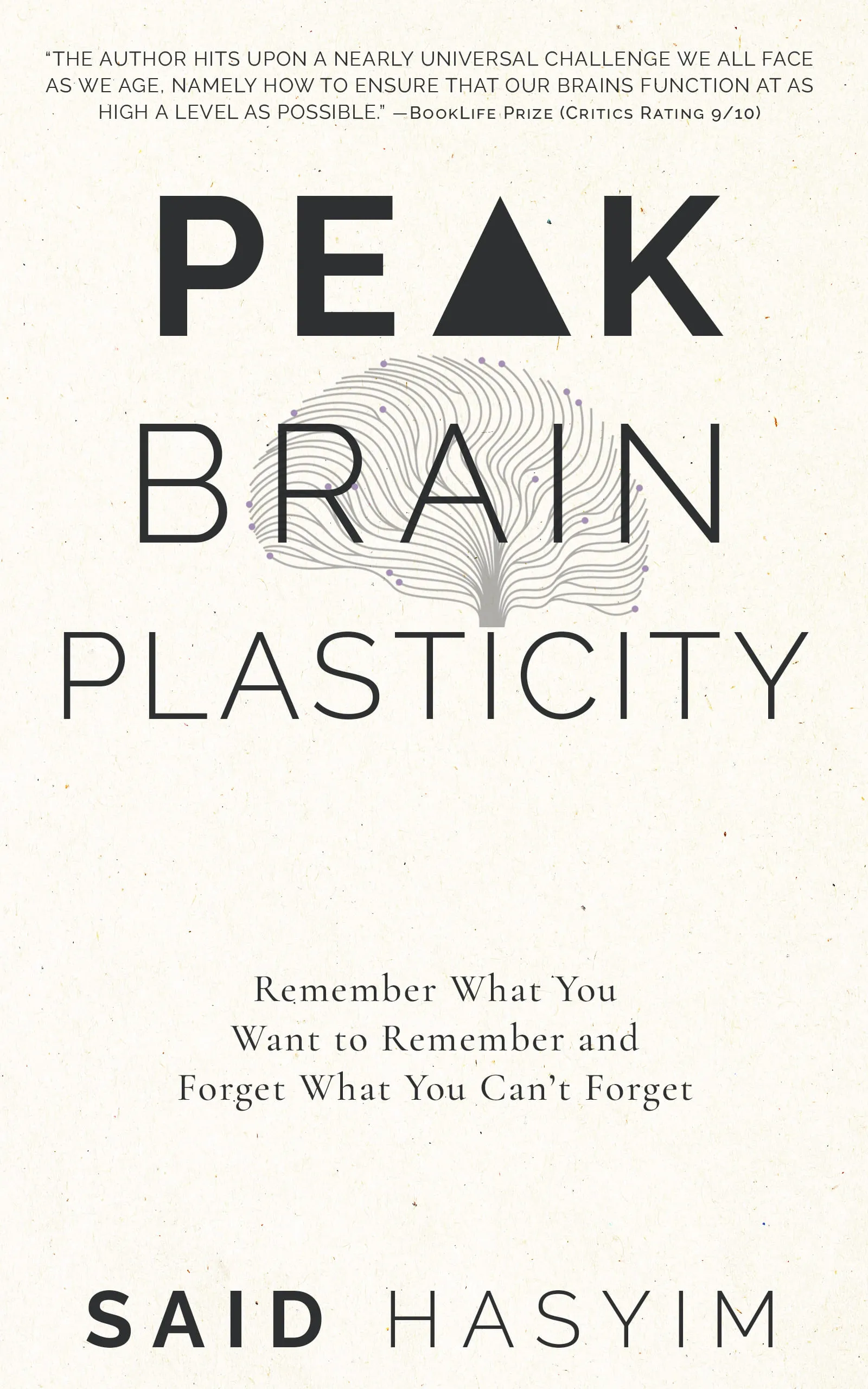
Harness the Power of Neuroplasticity
Discover Peak Brain Plasticity, a practical book to harnessing neuroplasticity. Enhance your memory, learn new languages quickly, and alleviate anxiety with effective study methods. Uncover daily habits that impact cognitive health and explore techniques for accelerated learning and memory retention. Unlock your brain's potential for growth and transformation.