The Role of Self-Control in Personal Responsibility
In today’s fast-paced world, the ability to manage our impulses and actions is more crucial than ever. The intersection of self-control and personal responsibility is a profound topic that impacts every aspect of our lives — from our relationships to our careers, and even to our sense of self-worth. Understanding this relationship can empower us to make better choices, leading to healthier and more fulfilling lives.
What is Self-Control?
Self-control is the ability to regulate our thoughts, emotions, and behaviors in the face of temptations and impulses. It allows us to delay gratification and make choices that align with our long-term goals rather than succumbing to immediate urges. Whether it's resisting the temptation to eat junk food, sticking to a budget, or refraining from reacting hastily in conflict, self-control plays an essential role in how we navigate our day-to-day activities.
Types of Self-Control
- Emotional Self-Control: The ability to regulate one's emotional responses. This is crucial in maintaining relationships and achieving personal goals.
- Impulsive Self-Control: This aspect revolves around resisting the urge to act on sudden desires.
- Cognitive Self-Control: The ability to focus attention and manage one’s mental resources effectively, especially when distractions are present.
Understanding Personal Responsibility
Personal responsibility refers to the idea that an individual is accountable for their actions and decisions. It encompasses taking ownership of one’s choices and recognizing the impact these choices have on oneself and others. Being personally responsible means understanding that we hold the power to shape our lives through our actions.
Key Components of Personal Responsibility
- Accountability: Acknowledging that our actions have consequences and being ready to face those consequences.
- Ownership: Taking charge of our decisions without blaming others or external circumstances.
- Self-Discipline: The ability to push through challenges and maintain focus on our goals despite setbacks.
The Interplay Between Self-Control and Personal Responsibility
Self-control serves as a bedrock for personal responsibility. Without self-control, taking responsibility for our actions becomes exceedingly difficult. Let's explore how self-control fosters personal responsibility in various aspects of life:
1. Relationships
In interpersonal relationships, self-control allows individuals to pause and reflect before reacting impulsively. For example, during a disagreement, having the self-control to listen rather than interrupt can enhance the quality of communication. This not only fosters healthier dialogues but also reflects a strong sense of personal responsibility. When we are self-controlled in our interactions, we acknowledge the impact of our words and actions on others, which cultivates empathy and connection.
2. Career Success
In professional settings, self-control is vital for personal accountability. Employees who exhibit self-control are more likely to adhere to deadlines, manage their time effectively, and produce high-quality work. For instance, resisting the distraction of a smartphone during work hours demonstrates both self-control and personal responsibility. On the flip side, yielding to distractions or procrastination can lead to missed deadlines and underperformance, ultimately affecting one's career trajectory.
3. Financial Management
Financial acuity requires a significant degree of self-control. Impulse buying, overspending, or failing to save can derail personal financial goals. Individuals who practice self-control in their spending habits are better equipped to make responsible financial decisions, prioritizing saving over immediate gratification. This balance leads to increased financial stability and less stress, showcasing how self-control can enhance personal responsibility.
4. Health and Well-being
Self-control extends beyond emotions and finances—it plays a crucial role in our health. Whether it’s resisting junk food, sticking to a workout routine, or prioritizing mental health, the choices we make affect our overall well-being. When we take responsibility for our health and practice self-control, we empower ourselves to lead healthier, more balanced lives. This not only improves our physical state but also contributes positively to our mental health, creating a virtuous cycle.
Developing Self-Control for Personal Responsibility
Building self-control is a skill that can be enhanced over time with consistent effort. Here are some strategies to develop self-control and subsequently strengthen personal responsibility:
1. Set Clear Goals
Establishing specific, achievable goals can provide direction. Once you have clear objectives, it becomes easier to resist temptations that may steer you off course.
2. Practice Mindfulness
Mindfulness techniques help train the brain to be more aware of thoughts and impulses. By recognizing these thoughts without judgment, individuals can develop better self-control, leading to informed decision-making.
3. Gradual Exposure
Start with small challenges that require self-control and gradually increase the stakes. For example, if you find it hard to resist sweets, start by limiting them to one day a week before moving to a less frequent indulgence.
4. Reflect on Consequences
Understanding and visualizing the consequences of your actions can bolster self-control. When faced with a temptation, consider the long-term effects of giving in versus the benefits of resisting.
5. Seek Social Support
Having a support system can strengthen both self-control and personal responsibility. Surround yourself with individuals who encourage positive decisions and hold you accountable.
Conclusion
The relationship between self-control and personal responsibility is intricate and significant. By developing self-control, we not only enhance our ability to make informed choices but also foster a strong sense of accountability in various facets of life. As we strengthen our self-control, we cultivate a deeper understanding of the impact of our actions, allowing us to lead lives that are not only successful but also fulfilling.
Embracing self-control can seem daunting, but the rewards are unmistakable. By committing to this journey, we hold the power to shape our lives, relationships, and communities in profoundly meaningful ways. Through self-control, we can all become more responsible stewards of our lives.
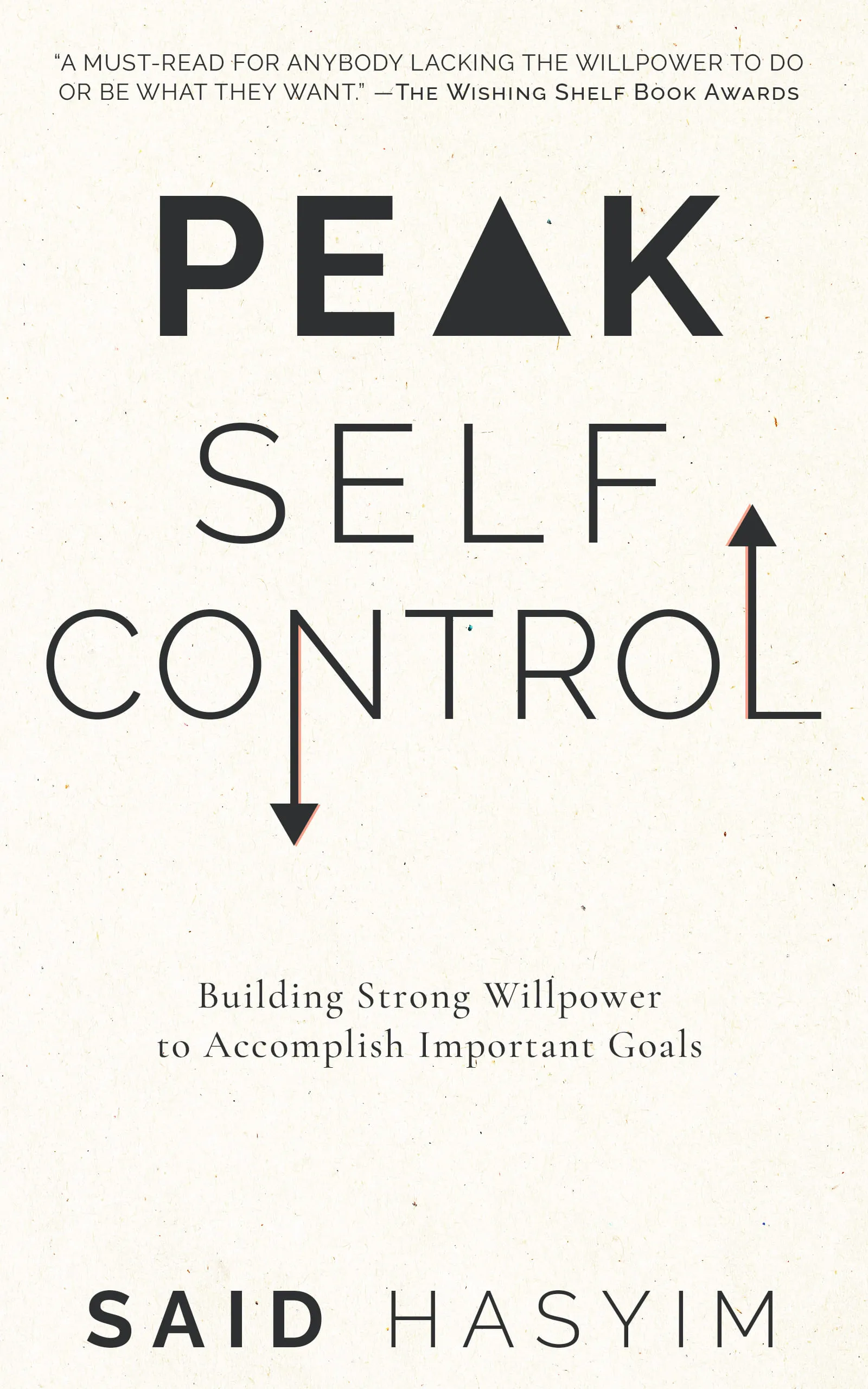
Start Mastering Self-Discipline Today
Discover Peak Self-Control, a practical book to mastering self-discipline. Break free from distractions, build healthier habits, and improve your relationships. Gain effective strategies to enhance your willpower and make meaningful life changes, even amidst a busy schedule. Small adjustments can lead to significant improvements in your daily routine.