The Relationship Between Self-Discipline and Focus
In today’s fast-paced, distraction-laden world, the concepts of self-discipline and focus are more critical than ever. Many individuals strive for success, whether in personal achievements, professional aspirations, or personal growth, yet often struggle with the very foundation required to reach these goals. The interplay between self-discipline and focus can ultimately determine how effectively one can pursue and achieve their aims.
Understanding Self-Discipline
Self-discipline is the ability to control one’s emotions, behaviors, and desires in the face of external demands. It is often described as a form of self-control or willpower that enables individuals to make better choices, resist immediate temptations, and remain committed to their long-term goals. Self-discipline allows us not only to initiate tasks but also to persist through challenges, fatigue, and distractions.
The Components of Self-Discipline
Goal Setting: Defining clear, measurable, and attainable objectives is fundamental. Without goals, self-discipline lacks direction.
Time Management: The efficient allocation of time allows for prioritization of tasks aligned with personal and professional objectives.
Habit Formation: Developing positive habits that reinforce desirable behaviors is a crucial aspect of self-discipline.
Avoidance of Temptations: Actively steering clear of distractions and temptations helps maintain focus on tasks at hand.
The Essence of Focus
Focus refers to the ability to concentrate one's attention and effort on a particular task or goal. It governs how well we can direct our cognitive resources towards accomplishing specific objectives. The skill of focusing is crucial in a world rife with distractions, competing priorities, and noise.
The Dimensions of Focus
Attention Control: The capacity to direct your attention towards one specific thing while blocking out irrelevant stimuli.
Mental Clarity: Clear thinking is essential for focus. A cluttered mind can detract from the ability to concentrate on the task at hand.
Mindfulness: Practicing mindfulness encourages living in the moment, thus enhancing one’s ability to focus on current tasks rather than being pulled in multiple directions.
Resilience: The mental fortitude to stay focused on a goal despite challenges or interruptions.
How Self-Discipline and Focus Interrelate
The relationship between self-discipline and focus is intricately intertwined. While focus enhances our ability to concentrate on tasks, self-discipline is often the driving force behind maintaining that focus. Below are some ways these two elements interact:
1. Self-Discipline Fuels Focus
Without self-discipline, maintaining focus becomes a challenge. Self-discipline helps in creating an environment conducive to focus. For instance, an individual with strong self-discipline sets boundaries, eliminates distractions, and creates a routine that fosters concentration. By committing to focus on tasks rather than succumbing to distractions, self-discipline paves the path for sustained concentration.
2. Focus Enhances Self-Discipline
Conversely, when individuals cultivate their focus, they may find that self-discipline becomes easier to maintain. With a clear and concentrated mind, it’s easier to resist temptations and stick to goals. When one is fully engaged in a task, the motivation to continue working often increases, which in turn strengthens self-discipline.
3. The Feedback Loop
Self-discipline and focus create a positive feedback loop. Achieving a goal through focused effort reinforces self-discipline, making it easier to maintain focus in the future. Likewise, successfully nurturing focus supports the development of stronger self-discipline, leading to greater achievements over time.
Cultivating Self-Discipline and Focus
Building self-discipline and enhancing focus is not an overnight endeavor. It requires consistent effort and commitment over time. Here are some strategies to cultivate both:
Set Clear Goals
Setting specific, measurable, achievable, relevant, and time-bound (SMART) goals helps provide direction and a clear focus. Break larger tasks into smaller, manageable pieces that can be accomplished step by step.
Create a Structured Routine
Establishing a daily routine helps streamline decision-making and reduce procrastination. Routines prime the mind for focus and make it easier to exert self-discipline.
Limit Distractions
Identify distractions in your environment and take proactive steps to mitigate them. This may involve creating a designated workspace, silencing notifications, or allocating specific times for recreational activity.
Practice Mindfulness
Mindfulness techniques can help train your brain to become more attentive and focused. Practices such as meditation, deep breathing, or simply taking regular breaks can enhance your ability to concentrate over time.
Foster Positive Habits
Focus on developing habits that support your goals. Regularly review and adjust these habits to ensure they contribute positively to your self-discipline and ability to focus.
Reflect and Adjust
Regular reflection on your progress can help identify what works and what doesn’t. Adjust your strategies as necessary to continually refine your self-discipline and focus.
Conclusion
In the quest for personal achievement and success, understanding the intricate relationship between self-discipline and focus is essential. Both aspects are mutually reinforcing, and cultivating them can yield significant benefits across various aspects of life. By prioritizing the development of self-discipline and focus, individuals can navigate challenges more effectively, make better choices, and ultimately achieve their goals.
Whether you are looking to improve in your career, enhance your studies, or pursue personal growth, committing to these skills will empower you to reach new heights. Embrace the journey of building self-discipline and focus, and watch as your potential unfolds.
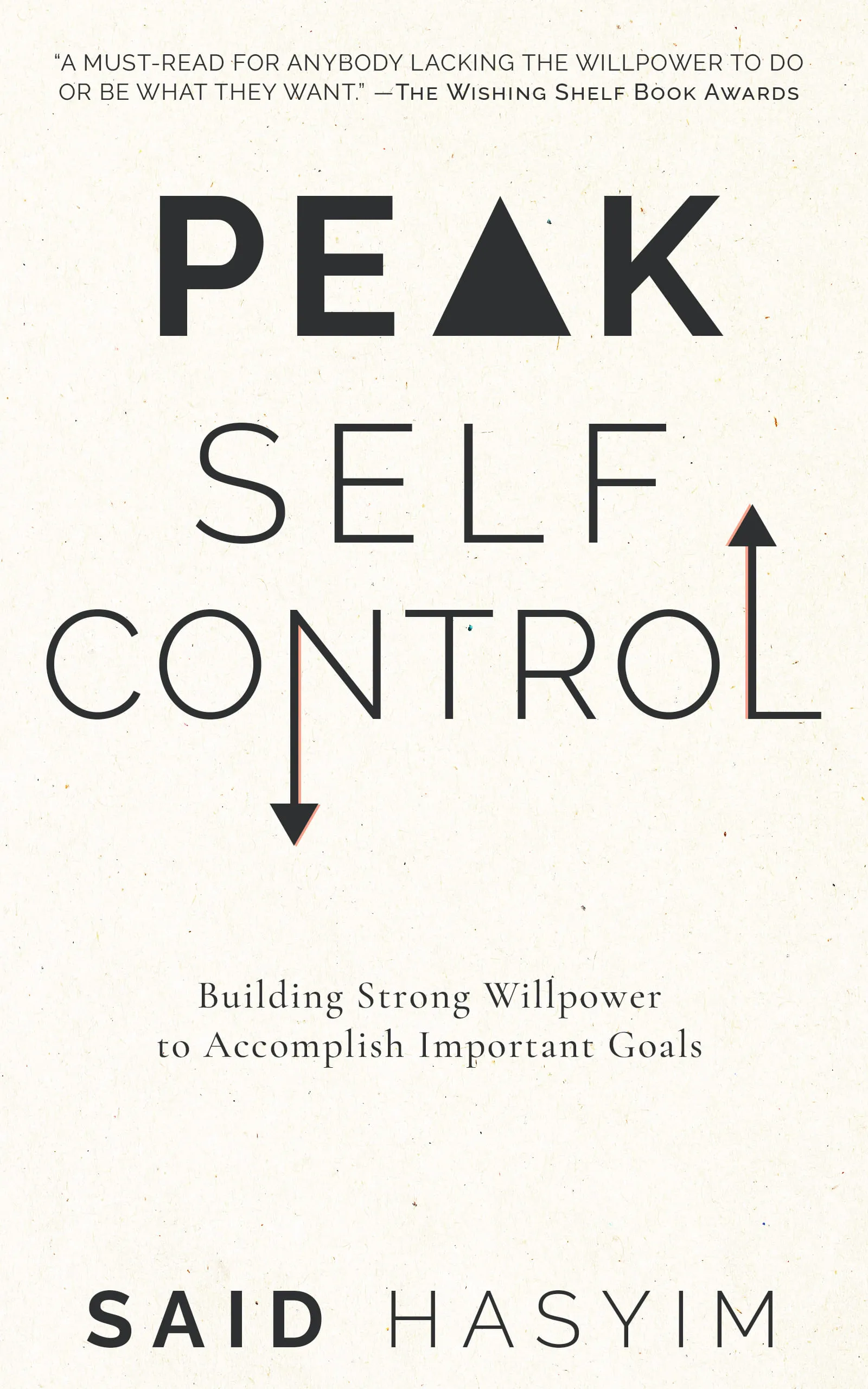
Start Mastering Self-Discipline Today
Discover Peak Self-Control, a practical book to mastering self-discipline. Break free from distractions, build healthier habits, and improve your relationships. Gain effective strategies to enhance your willpower and make meaningful life changes, even amidst a busy schedule. Small adjustments can lead to significant improvements in your daily routine.