The Influence of Environment on Self-Control
Self-control is a critical trait that influences our ability to achieve goals, maintain healthy relationships, and ultimately shape the course of our lives. While self-control is often viewed as an internal, personal quality, recent research suggests that our environment heavily influences our self-regulation abilities. In this blog post, we will delve into how various environmental factors can bolster or undermine our self-control, and the implications this has for our daily lives.
Understanding Self-Control
Self-control is the capacity to regulate one’s impulses, emotions, and behaviors. It enables individuals to resist short-term temptations in favor of long-term goals. This skill is vital in numerous contexts, from managing finances and maintaining a healthy diet to fostering productive work habits and building strong interpersonal relationships.
The Role of Environment in Shaping Self-Control
1. Physical Spaces
Cluttered vs. Organized Spaces
Research indicates that physical spaces can significantly impact our ability to exercise self-control. Cluttered and chaotic environments can lead to stress and distraction, which may weaken our willpower. In contrast, organized and calming spaces can enhance focus and self-regulation, facilitating better decision-making.
Accessibility of Temptations
The design of our physical environment plays a crucial role in our self-control. For instance, if junk food is readily available in the kitchen, individuals may be more likely to indulge, even when they have healthy eating goals. Conversely, keeping healthy snacks on hand and minimizing the presence of temptations can empower individuals to make better choices.
2. Social Influences
Peer Pressure and Social Norms
The people around us can profoundly influence our self-discipline. When in the company of friends or family members who indulge in unhealthy behaviors, an individual may find it challenging to maintain their resolutions. Social norms can heavily impact behavior; if the majority around us prioritize self-control, we are more likely to adopt similar habits.
Supportive Relationships
Conversely, a supportive social circle can boost self-control. When surrounded by individuals who encourage and hold each other accountable, we are more likely to persevere through challenges and resist temptations. This highlights the importance of cultivating healthy relationships and seeking out communities that align with our goals.
3. Technology and Media
The Digital Environment
In our increasingly digital world, technology presents both challenges and opportunities for self-control. Endless access to information and instant gratification through social media and online shopping can lead to impulsive behavior. Notifications and alerts can disrupt our focus and decision-making processes, making it difficult to maintain self-discipline.
Using Technology Wisely
On the flip side, technology can also assist in cultivating self-control. Numerous apps and tools are designed to help individuals track their habits, set reminders for goals, and monitor their progress. Mindfulness and meditation apps can also support emotional regulation, making it easier to resist impulsive decisions.
4. Cultural Context
Cultural Attitudes Towards Self-Control
Cultural background and societal values can significantly influence self-control behaviors. Cultures that emphasize immediate gratification may foster individuals who struggle with self-regulation, while those that promote patience and delayed gratification may cultivate stronger self-control.
Rituals and Practices
Cultural rituals and practices can also play a role in self-discipline. For instance, community events that center on healthy eating or fitness challenges can motivate individuals to engage in self-control. Recognizing the cultural context of self-control helps us understand why some strategies may work better in certain environments than in others.
Strategies to Enhance Self-Control Through Environment
Understanding the influence of our environment on self-control allows us to implement strategies that can help us strengthen our self-regulation skills:
1. Create a Conducive Physical Space
- Declutter: Regularly organize your living and working spaces to reduce distractions.
- Strategically Place Temptations: Keep unhealthy food out of sight and stock up on healthy alternatives.
2. Foster Supportive Relationships
- Surround Yourself with Like-Minded Individuals: Seek friendships and networks that encourage your goals and values.
- Accountability Partners: Find someone who shares similar goals and check in with each other regularly.
3. Leverage Technology
- Set Up Digital Barriers: Use apps that limit screen time or block distractions during focused work periods.
- Track Progress: Utilize habit-tracking apps to monitor your behaviors and reinforce positive changes.
4. Cultivate a Growth Mindset
- Stay Adaptive: Understand that self-control can fluctuate and that it's okay to make mistakes. Focus on learning from experiences rather than punishing yourself.
- Reflect on Your Values: Regularly remind yourself of your long-term goals and the reasons behind your desire for self-control.
Conclusion
Self-control is an essential attribute that shapes our ability to navigate life's challenges and achieve our aspirations. However, it is equally important to recognize the significant influence our environment has on our self-regulation abilities. By creating physical spaces that foster focus, nurturing supportive social relationships, leveraging technology wisely, and acknowledging cultural influences, we can enhance our self-control and lead more fulfilling lives.
In the end, self-control may not solely be an individual endeavor; it is a dynamic interplay between ourselves and the environment we inhabit. By being mindful of this relationship, we can design lives that are more conducive to self-discipline and success.
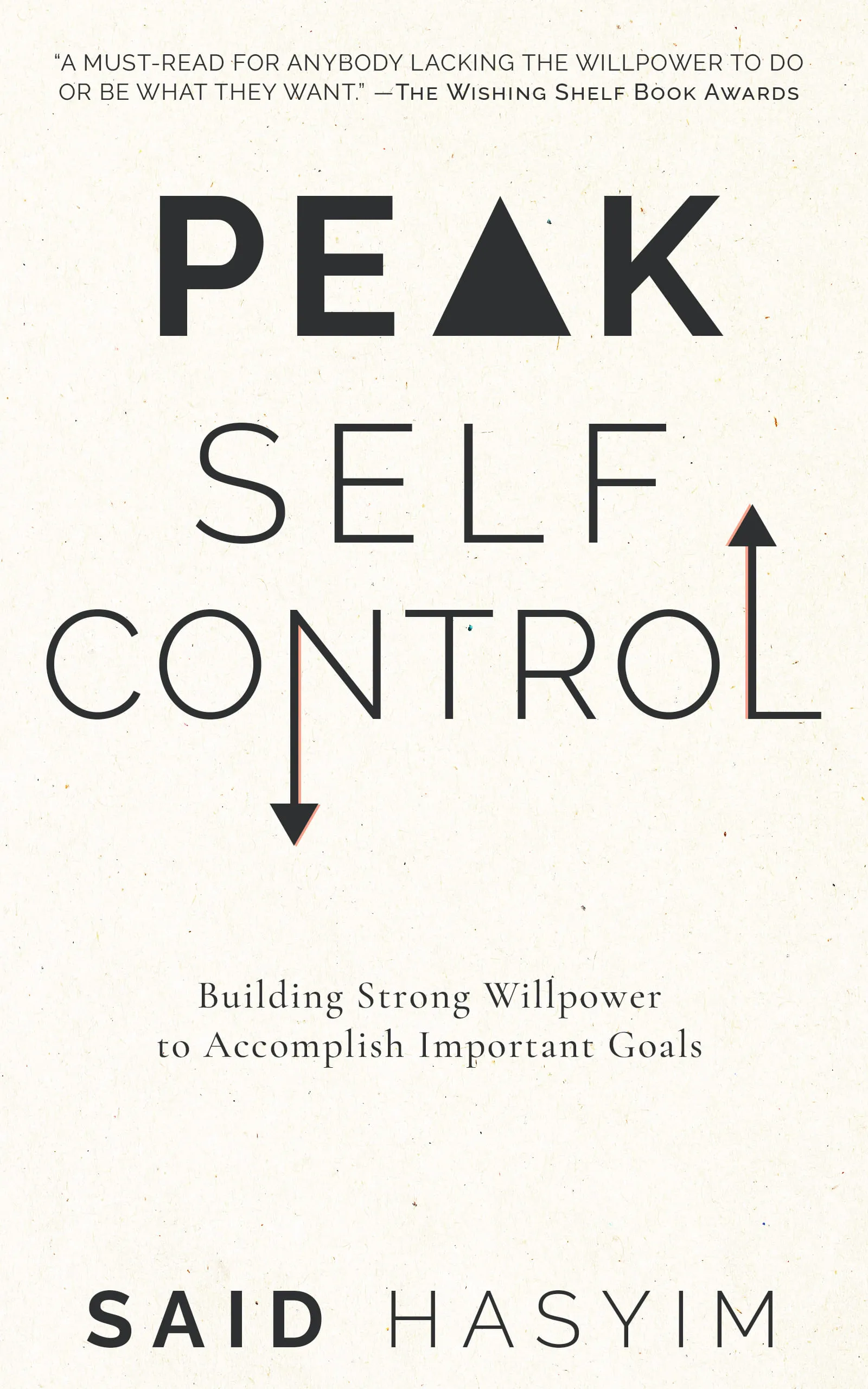
Start Mastering Self-Discipline Today
Discover Peak Self-Control, a practical book to mastering self-discipline. Break free from distractions, build healthier habits, and improve your relationships. Gain effective strategies to enhance your willpower and make meaningful life changes, even amidst a busy schedule. Small adjustments can lead to significant improvements in your daily routine.