The Importance of Rest in Building Self-Control
In our fast-paced world, the concept of self-control is more critical than ever. From resisting the temptation of junk food to avoiding procrastination, self-control is a skill that can either elevate our lives or hinder our progress. Often, we focus on strategies to improve willpower, such as setting strict rules or employing motivational techniques. However, one of the most overlooked yet vital components of cultivating self-control is rest.
Understanding Self-Control
Self-control can be defined as the ability to regulate one's emotions, thoughts, and behaviors in the face of temptations and impulses. It allows us to prioritize long-term goals over short-term gratification, making it an essential skill for personal and professional success. Self-control isn’t just about saying "no"; it's about making decisions that align with our values and aspirations.
However, what many do not realize is that self-control is not an infinite resource. Research has shown that self-control operates similarly to a muscle; it can be exhausted with overuse. As we face daily challenges that require our self-control, fatigue can set in, leading to poor decisions and a decrease in our overall willpower.
The Role of Rest
Rest is often seen as a luxury, but it is, in fact, a necessity for optimizing our cognitive functions, emotional well-being, and ultimately, our self-control. Here are several ways rest influences self-control:
1. Restores Cognitive Function
When we experience fatigue, our brain's ability to focus and make effective decisions diminishes. The prefrontal cortex, the area responsible for planning, decision-making, and self-regulation, suffers significantly from lack of rest. Sleep deprivation and mental exhaustion impair our judgment, making it harder to resist temptations.
On the other hand, getting adequate rest restores these cognitive functions, allowing us to engage more effectively in self-regulatory behaviors. When well-rested, we are better equipped to evaluate the consequences of our actions and make choices that align with our goals.
2. Enhances Emotional Regulation
Self-control is not solely a cognitive task; it also involves emotional regulation. Fatigue can lead to heightened emotional reactivity, making it easier to succumb to impulses driven by frustration, stress, or impatience. When we are tired, we are less likely to pause, reflect, and choose responses that maintain our self-discipline.
Restored energy levels help in managing emotions more effectively. Sleep and downtime give our minds the opportunity to process feelings, tones down emotional responses, and improve our ability to stay calm under pressure.
3. Reduces Stress
Chronic stress can significantly impair our self-control. Stress affects our hormone levels, particularly cortisol, which can leave us feeling depleted and overwhelmed. In a stressed state, we may make impulsive choices, seeking quick relief instead of considering the consequences.
Taking time to rest reduces stress levels and allows our bodies to recover from daily pressures. Whether through sleep, relaxation techniques, or engaging in hobbies, rest acts as a counterbalance to stress, enabling us to restore our sense of control and develop a more rational approach to decision-making.
4. Boosts Motivation and Willpower
There’s a misconception that pushing ourselves harder will yield better results. However, a well-rested mind fosters greater motivation and boosts willpower. When we take time to recharge, we not only restore our physical energy but also reignite our motivation to pursue long-term goals.
Inadequate rest leads to burnout, leaving us feeling apathetic toward our responsibilities. Conversely, resuming activities after a period of rest is often accompanied by renewed enthusiasm and focus, empowering us to maintain self-control and tackle tasks more efficiently.
5. Encourages Healthy Habits
Rest is essential for developing healthy habits that reinforce self-control. For instance, adequate sleep has been linked to healthier dietary choices and better exercise adherence. When well-rested, we are more likely to seek out activities that contribute to our well-being, rather than engaging in mindless behaviors that may be tempting, yet detrimental.
Moreover, rest allows us to reflect on our values and aspirations, helping us to realign our daily choices with our long-term goals. It acts as a natural reset, allowing us to avoid the autopilot mode of decision-making that often leads to regrets.
Practical Tips for Incorporating Rest into Your Routine
Recognizing the importance of rest in building self-control is a first step; actively incorporating rest into your daily life is crucial. Here are some practical tips:
1. Prioritize Sleep
Aim for 7-9 hours of quality sleep per night. Establish a relaxing bedtime routine, avoid screens before bedtime, and create a comfortable sleeping environment.
2. Schedule Breaks Throughout the Day
Incorporate short breaks during work or study sessions. Even a five-minute walk or a brief moment of mindfulness can refresh your mind and enhance focus.
3. Engage in Restorative Activities
Find activities that relax and rejuvenate you. Whether it's reading, meditating, taking a leisurely walk, or practicing yoga, engage in activities that promote relaxation.
4. Limit Multitasking
Focus on one task at a time. Multitasking can lead to mental fatigue, making it harder to exercise self-control.
5. Unplug Regularly
Take intentional breaks from technology. Disconnecting from screens can help reduce mental clutter and allow you to recharge both cognitively and emotionally.
Conclusion
Rest is not merely a pause in our busy lives, but a vital component in building and maintaining self-control. By prioritizing rest, we enhance our cognitive functions, regulate our emotions, reduce stress, boost motivation, and engage in healthier habits. As we cultivate the discipline to integrate rest into our daily routines, we empower ourselves to navigate life’s challenges with greater resilience and intentionality. The journey towards self-control is multifaceted, and embracing rest could be the key we’ve been searching for. So, take a moment, breathe, and prioritize your well-being—it’s the foundation on which self-control is built.
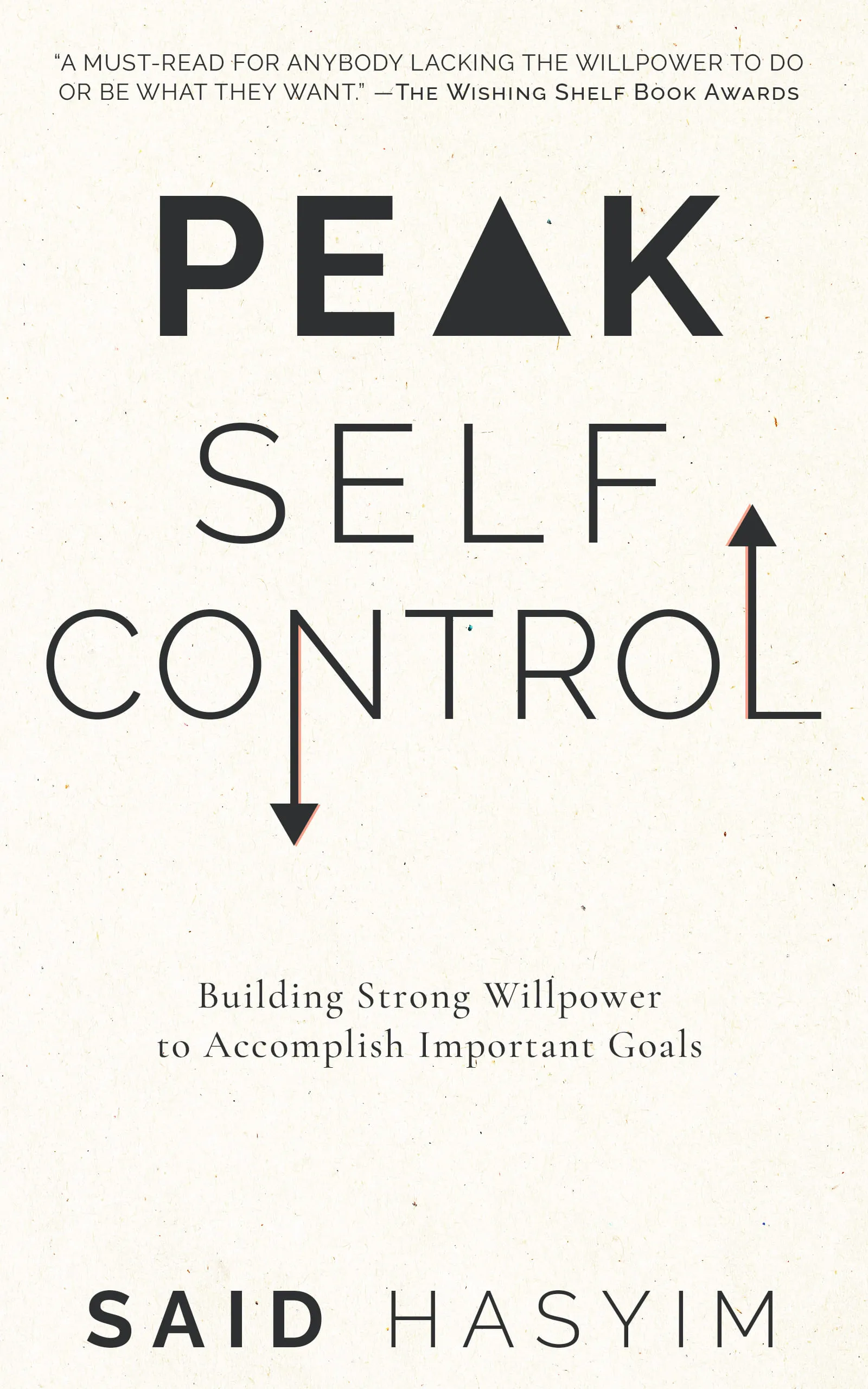
Start Mastering Self-Discipline Today
Discover Peak Self-Control, a practical book to mastering self-discipline. Break free from distractions, build healthier habits, and improve your relationships. Gain effective strategies to enhance your willpower and make meaningful life changes, even amidst a busy schedule. Small adjustments can lead to significant improvements in your daily routine.