The Impact of Physical Health on Willpower
Physical health and willpower are intricately interconnected. Our bodies and minds represent a holistic system where one affects the other in profound ways. In a fast-paced world filled with distractions, understanding the relationship between physical health and willpower becomes increasingly essential for achieving our goals, maintaining self-discipline, and leading a fulfilling life.
Understanding Willpower
Willpower, often described as self-control or self-regulation, is the ability to resist short-term temptations in favor of long-term goals. It’s what helps us stick to our diets, finish projects, and maintain healthy habits. Willpower is not a finite resource; it's strengthened through practice but can also be depleted by overuse or poor physical health.
Psychologists highlight two main components of willpower: the ability to delay gratification and the capacity to regulate emotions. When our physical health falters, so too can these willpower components.
The Role of Physical Health in Willpower
1. Nutrition and Mental Clarity
The adage "you are what you eat" rings especially true when it comes to willpower. A balanced diet rich in whole foods—fruits, vegetables, lean proteins, and healthy fats—nourishes the brain, which in turn enhances cognitive functions such as decision-making and impulse control.
Here's how nutrition impacts willpower:
Brain Function: The brain requires essential nutrients, including Omega-3 fatty acids, B vitamins, and antioxidants, to function optimally. A deficiency in these nutrients can lead to cognitive decline, making it harder to maintain self-discipline.
Mood Regulation: The foods we eat influence our neurotransmitters and hormones, which can affect our mood. A healthy diet can reduce anxiety and depression, both of which can drain willpower.
Instant Gratification: High-sugar and processed foods can create a cycle of instant gratification that trains the brain to seek quick rewards rather than delaying gratification for greater benefits, undermining willpower.
2. Exercise and Stress Management
Regular physical activity is an excellent way to bolster both physical health and willpower. Exercise promotes the release of endorphins, which positively affects mood and reduces stress. Here’s how exercise plays a pivotal role in strengthening willpower:
Stress Reduction: Chronic stress can lead to decision fatigue and make it harder to exercise self-control. Exercise acts as a form of stress relief, helping us better manage our emotions and maintain focus on long-term goals.
Routine Building: Establishing a regular workout routine fosters discipline and self-control, which can carry over into other areas of life. This consistency strengthens willpower as you practice daily self-regulation.
Goal-Oriented Mindset: Setting fitness goals creates a framework for success. Achieving these smaller goals enhances confidence and willpower, reinforcing the belief that you can tackle larger challenges.
3. Sleep and Cognitive Function
You may have heard that sleep is crucial for general well-being, but it's also essential for preserving willpower. Poor sleep habits lead to cognitive impairment and emotional instability, which can undermine our efforts to maintain self-control.
Decision-Making: Lack of sleep affects the prefrontal cortex, the area of the brain responsible for decision-making and impulse control. When this area is impaired, the likelihood of succumbing to temptation increases.
Emotional Regulation: Sleep deprivation can lead to increased irritability and anxiety, causing us to make impulsive decisions. A well-rested mind, on the other hand, can handle stressors more effectively and employ willpower more efficiently.
4. Chronic Illness and Energy Levels
Chronic conditions—such as diabetes, cardiovascular issues, or autoimmune diseases—can sap your energy and decrease motivation. When your body is in a state of chronic illness, it becomes increasingly challenging to summon the willpower needed to pursue goals or resist temptation.
Fatigue: Chronic illnesses can lead to physical and mental fatigue, making it more difficult to exercise discipline. The body requires energy for healing, and this can lead to a scarcity of energy reserves needed for willpower.
Mental Load: Dealing with a chronic condition often requires mental resources that can drain willpower. The constant management of health issues can divert attention from other life goals, leading to a diminished sense of control.
Practical Strategies to Enhance Willpower through Physical Health
To cultivate willpower through improved physical health, consider the following strategies:
Prioritize Nutrition: Focus on consuming nutrient-dense foods, avoid processed foods, and stay hydrated. Meal planning and preparation can also help maintain a healthy diet amid a busy lifestyle.
Establish a Consistent Exercise Routine: Aim for at least 150 minutes of moderate-intensity exercise each week. Find activities that you enjoy to make it easier to stick to.
Ensure Adequate Sleep: Aim for 7-9 hours of quality sleep each night. Establish a relaxing bedtime routine and consider limiting screen time before bed to improve sleep quality.
Manage Stress: Incorporate stress-reducing practices such as mindfulness meditation, deep-breathing exercises, or yoga into your daily routine.
Set Realistic Health Goals: Define tangible and attainable health goals that help improve your physical condition while reinforcing a sense of accomplishment.
Conclusion
Willpower is a crucial component of achieving goals and living a fulfilling life, yet its strength is heavily influenced by physical health. By prioritizing nutrition, regular exercise, quality sleep, and stress management, individuals can enhance their willpower, thus increasing resilience in the face of challenges and temptations.
The journey to improved willpower begins with understanding the intertwined nature of our physical and mental states. By nurturing our bodies, we empower our minds, allowing us to take control of our choices and ultimately lead healthier, happier lives.
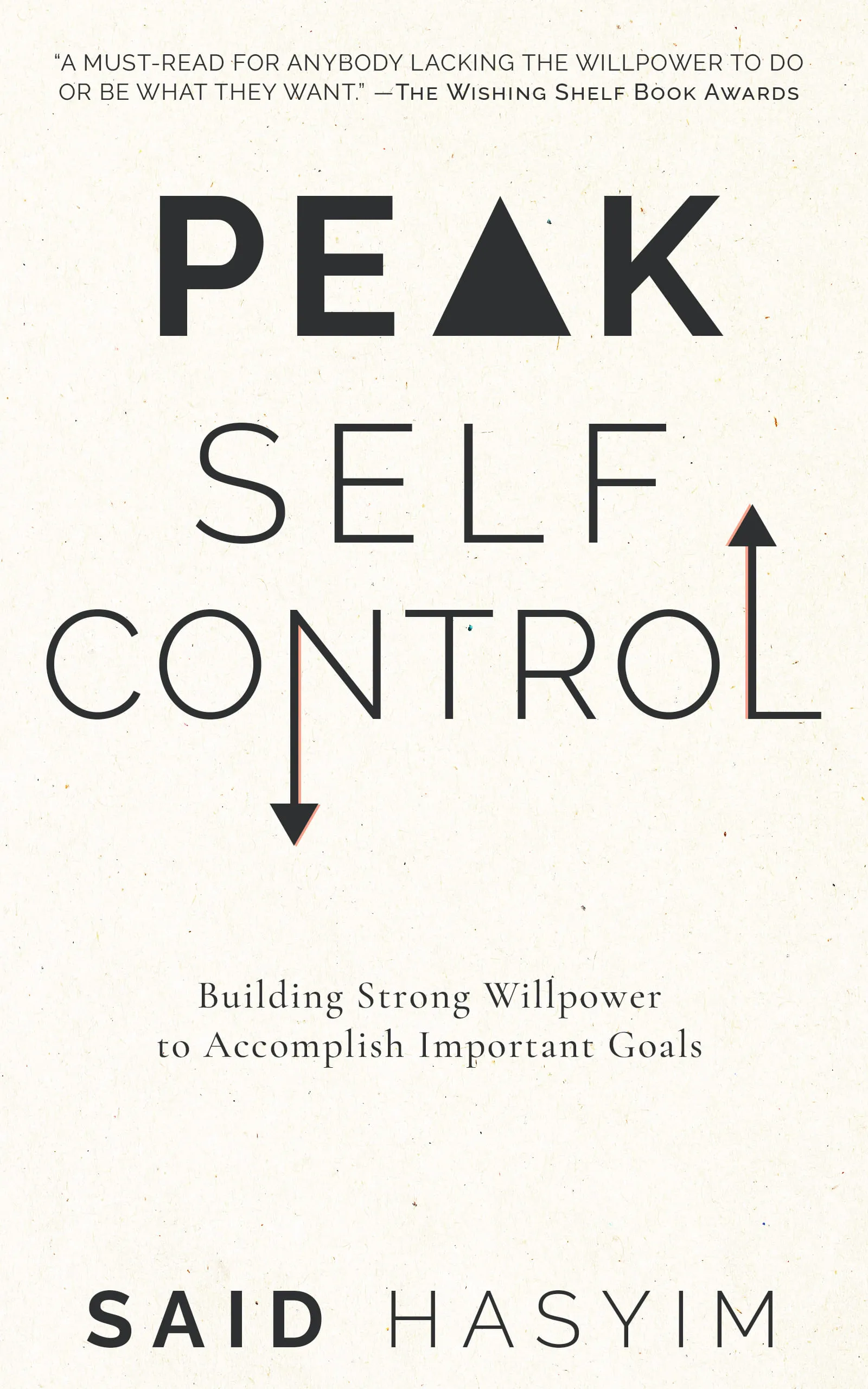
Start Mastering Self-Discipline Today
Discover Peak Self-Control, a practical book to mastering self-discipline. Break free from distractions, build healthier habits, and improve your relationships. Gain effective strategies to enhance your willpower and make meaningful life changes, even amidst a busy schedule. Small adjustments can lead to significant improvements in your daily routine.