Research on Willpower: Why It Matters
Willpower. It's a term we all know, but what does it truly entail? In a world filled with distractions, instant gratification, and demanding schedules, understanding the concept of willpower has become increasingly critical. It's not just a buzzword; it's the key to self-control, discipline, and achieving long-term goals. In this blog post, we will delve into what research says about willpower, how it affects our daily lives, and why it matters.
What is Willpower?
At its core, willpower can be defined as the ability to resist short-term temptations in order to meet long-term goals. It’s about exerting self-control, making choices aligned with our values, and maintaining focus on what truly matters. This cognitive resource allows us to delay gratification, overcome obstacles, and achieve what we set out to do.
Willpower is often compared to muscles. Just as physical muscles can become fatigued with overuse, our willpower can also be depleted after prolonged exertion. This phenomenon is known as ego depletion. The more we use our self-control, the harder it becomes to exercise it later on. This leads to the question: How can we better manage our willpower to ensure we remain disciplined and productive?
The Science Behind Willpower
1. The Biological Basis of Willpower
Research has shown that willpower operates through various biological mechanisms. Neuroimaging studies have revealed that the prefrontal cortex—the part of the brain responsible for decision-making and self-control—plays a crucial role in exercising willpower. When we face temptations or challenges, this area of the brain activates, helping us to resist impulses.
Interestingly, studies suggest that glucose fuels self-control. A study published in the journal Psychological Science found that participants who consumed glucose were more capable of making self-control choices afterward than those who did not. This indicates a physiological component to willpower: maintaining good nutrition and stable blood sugar levels can significantly boost our ability to exert self-control.
2. Willpower as a Limited Resource
The concept of ego depletion poses an essential insight into how willpower functions. According to research, after exerting willpower, individuals can experience a depletion of this resource, making it difficult to exercise further self-control. Roy F. Baumeister and his colleagues conducted a series of studies that demonstrated this effect. Participants who were asked to resist tempting food were less capable of controlling their impulses in subsequent tasks, suggesting that willpower can be drained over time.
However, it’s necessary to note that some research has called into question the universality of ego depletion. Some studies suggest that the mindset and belief about willpower can influence its effectiveness. Those who view willpower as an expendable resource may perform worse than those who see it as a renewable asset. This highlights the role of belief systems in influencing willpower, showcasing the intricate relationship between psychology and behavior.
3. Environmental Influences on Willpower
Our environment significantly impacts our willpower. Research indicates that having a clean, organized, and less distracting space can enhance self-control. Conversely, chaotic environments filled with distractions can lead to a decrease in willpower.
For instance, a study published in The Journal of Consumer Research found that individuals in a cluttered environment were more likely to give in to their impulses compared to those in a tidy one. This emphasizes the importance of creating an environment that supports our goals, making it easier to exercise self-control when faced with temptations.
Why Willpower Matters
1. Achieving Goals
Willpower is crucial in helping us reach our goals. Whether it is sticking to a new diet, completing a project, or establishing a workout routine, willpower allows individuals to push through challenges and maintain focus on their objectives. Studies show that the most successful individuals possess higher levels of self-control and willpower. Developing these skills can significantly increase your chances of success in any endeavor.
2. Improved Decision-Making
Willpower directly impacts our decision-making process. When we exercise self-control, we are more likely to make rational, considered decisions rather than surrendering to impulses. This can have wide-ranging effects on finances, relationships, and overall life satisfaction. The ability to delay gratification leads to better long-term planning and decision-making.
3. Mental Health Benefits
Exercising willpower can have profound effects on mental health. Resisting unhealthy habits, such as excessive drinking or indulgent eating, can lead to improved physical and mental well-being. Additionally, practicing self-control can foster resilience, reducing the impact of stress and anxiety. The ability to control impulses fosters a sense of agency and empowerment, contributing to overall mental health.
4. Building Stronger Relationships
Healthy relationships often rely on self-control. Effective communication, conflict resolution, and the ability to empathize with others require a level of willpower. For example, suppressing immediate reactions in a heated discussion can lead to more productive conversations, fostering deeper connections and understanding. Willpower helps us maintain patience and compassion, essential traits in nurturing positive relationships.
Tips for Enhancing Willpower
Understanding the importance of willpower is one thing; developing it is another. Here are some practical tips for enhancing your willpower:
Set Clear Goals: Define your goals clearly and write them down. This creates a roadmap that can help you stay focused.
Practice Mindfulness: Mindfulness techniques, such as meditation, can enhance your self-awareness, increasing your ability to recognize impulses and manage them.
Create a Supportive Environment: Remove distractions and temptations from your surroundings. A clutter-free, organized space can help bolster self-control.
Establish Routines: Creating routines can automate good behaviors, reducing the need for willpower in day-to-day decisions.
Exercise Regularly: Physical activity can help enhance overall self-control and improve glucose levels, contributing to better willpower.
Practice Self-Compassion: When you encounter setbacks, treat yourself with kindness rather than criticism. This promotes resilience and encourages you to keep striving toward your goals.
Conclusion
Willpower is not just an abstract concept; it is a vital component of our everyday lives. It affects our ability to pursue goals, make thoughtful decisions, and foster meaningful relationships. Understanding the science behind willpower empowers us to manage it more effectively, ultimately leading to a more fulfilled and successful life. As we continue to navigate a fast-paced world, building and harnessing our willpower can be one of the most transformative skills we develop. So, let’s take the time to nurture this essential part of ourselves—after all, every great achievement starts with the power of will.
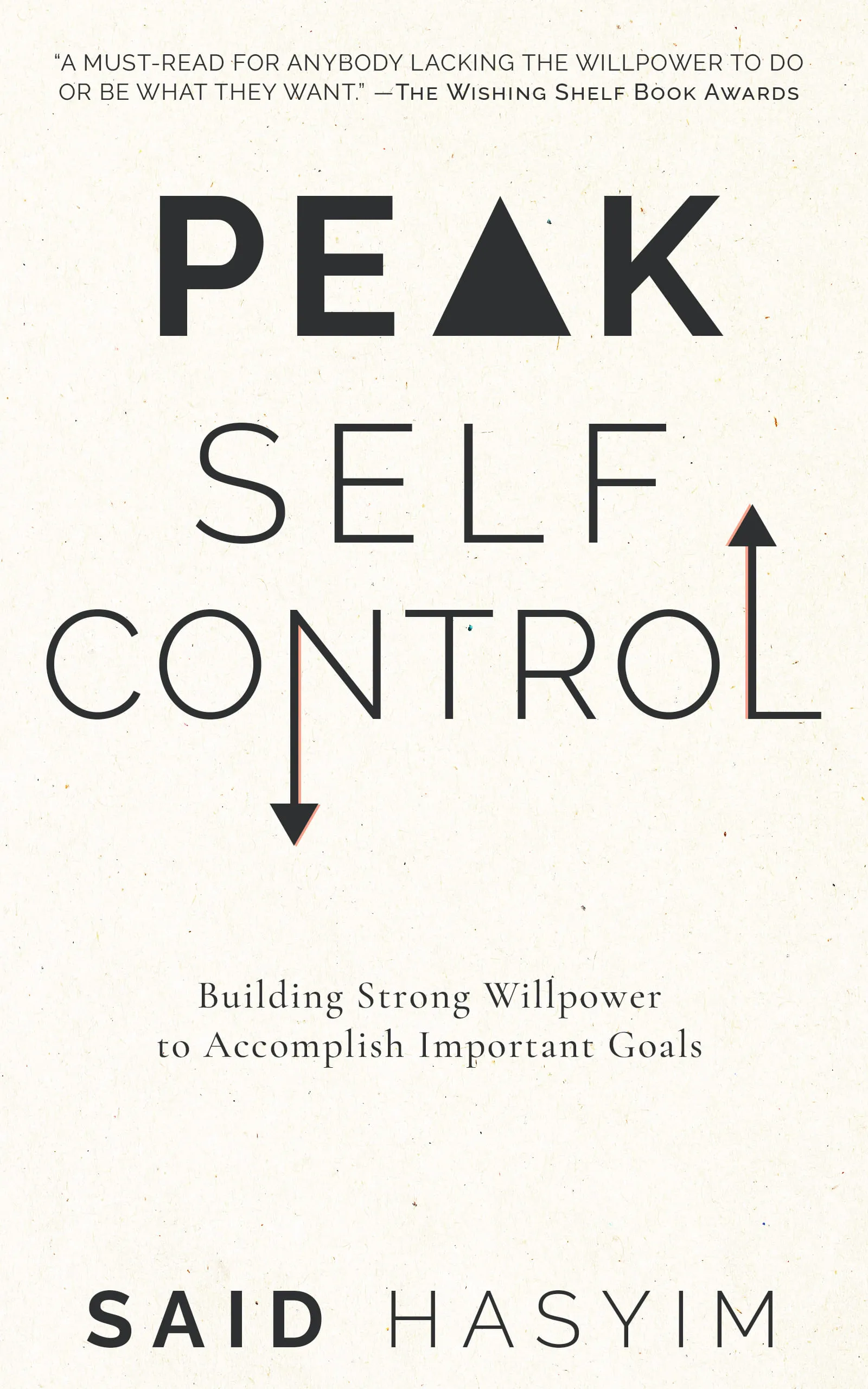
Start Mastering Self-Discipline Today
Discover Peak Self-Control, a practical book to mastering self-discipline. Break free from distractions, build healthier habits, and improve your relationships. Gain effective strategies to enhance your willpower and make meaningful life changes, even amidst a busy schedule. Small adjustments can lead to significant improvements in your daily routine.