Journaling Your Thoughts to Strengthen Self-Control
In our fast-paced world, the need for self-control has never been more significant. We encounter distractions at every turn—be it from social media, endless notifications, or the overwhelming demands of daily life. As we navigate through our routines, cultivating self-control can be the key to achieving our personal and professional goals. One powerful tool that can enhance self-control is journaling. In this blog post, we'll explore how journaling your thoughts can strengthen self-discipline, provide mental clarity, and ultimately lead to a more balanced life.
What Is Journaling?
Journaling is the practice of regularly writing down your thoughts, feelings, experiences, and reflections. It serves as a form of self-expression and self-exploration. While many people associate journaling with creativity, it can also play a significant role in developing self-control. By putting our thoughts on paper, we can better understand our emotions and behaviors, which is crucial for fostering self-discipline.
The Connection Between Journaling and Self-Control
Self-control involves the ability to regulate one's emotions, thoughts, and behaviors in the face of temptations and impulses. Here are a few reasons why journaling can be an effective tool for enhancing self-control:
Increased Self-Awareness: Writing down your thoughts helps to clarify your understanding of your feelings and actions. By reflecting on your daily experiences, you can identify patterns in your behavior—both positive and negative. This awareness is fundamental in recognizing triggers that lead to impulsive actions.
Goal Setting and Tracking Progress: Journaling allows you to outline your goals and track your progress toward achieving them. By setting specific, measurable, attainable, relevant, and time-bound (SMART) goals, you can effectively hold yourself accountable. Reflecting on your achievements and setbacks promotes a sense of responsibility, further strengthening your self-control.
Stress Relief and Emotional Regulation: Writing serves as a healthy outlet for stress and emotions. Journaling can help you process difficult thoughts and feelings, enabling you to release pent-up tension. By addressing your emotions, you are less likely to act impulsively, as you'll have a better grasp on your mental state.
Developing Coping Strategies: Journaling can be a safe space to brainstorm and develop strategies for dealing with situations that challenge your self-control. Writing about scenarios that tempt you opens the door for creative problem-solving, allowing you to approach these situations with a more disciplined mindset.
How to Start Journaling for Self-Control
If you're new to journaling or looking to enhance your practice, here are some practical tips to consider:
1. Choose Your Medium
Decide whether you'd prefer to journal digitally or with pen and paper. Both options offer unique benefits. Digital journaling can be more convenient and easily accessible, while written journaling can enhance cognitive processing and retention.
2. Create a Dedicated Space
Designate a space where you can journal free from distractions. Whether it’s a cozy corner of your home or a quiet café, having a specific environment can help you get into the right mindset for reflection.
3. Make It a Habit
Consistency is key to reaping the benefits of journaling. Aim to journal at the same time each day or week. Establishing a routine will help embed this practice into your life. You can start small with just a few minutes a day.
4. Use Prompts to Get Started
If you're unsure what to write about, consider using prompts to stimulate your thoughts. Here are a few ideas to get you started:
- What is a situation that tested my self-control this week?
- How did I respond to temptations, and what could I have done differently?
- What are my short-term and long-term goals, and how can I work towards them?
- What coping mechanisms can I employ when I feel overwhelmed?
5. Reflect on Your Entries
Take the time to read through your past entries periodically. Reflecting on your thoughts allows you to see the progress you're making and understand the evolution of your mindset. This practice boosts self-awareness and reinforces your commitment to self-control.
Overcoming Barriers to Journaling
While journaling offers numerous benefits, starting or maintaining the practice can pose challenges. Here are a few common barriers and ways to overcome them:
Lack of Time: Many people feel they are too busy to journal. However, even five minutes of writing can be impactful. Consider keeping your journal accessible and jotting down thoughts whenever you have a spare moment.
Perfectionism: Some may hesitate to start journaling due to concerns about grammar, structure, or what to say. Remember, journaling is an act of personal expression; there are no rules. Write for yourself and allow your thoughts to flow freely.
Fear of Vulnerability: Opening up on paper can be daunting. Know that your journal is a private space. This freedom can lead to more genuine reflections and breakthroughs in self-control.
Final Thoughts
Journaling is a powerful practice that can cultivate self-control, restore mental clarity, and enhance emotional health. By engaging in regular reflection, we can better understand our desires, recognize patterns in our behavior, and develop strategies to combat impulsive actions. Investing time in journaling isn't just about writing; it's about committing to personal growth and self-discipline.
As you embark on your journaling journey, remember that every entry is a step towards better self-regulation and a more balanced life. Embrace the process, and allow your thoughts to guide you toward the fulfillment of your goals. Happy journaling!
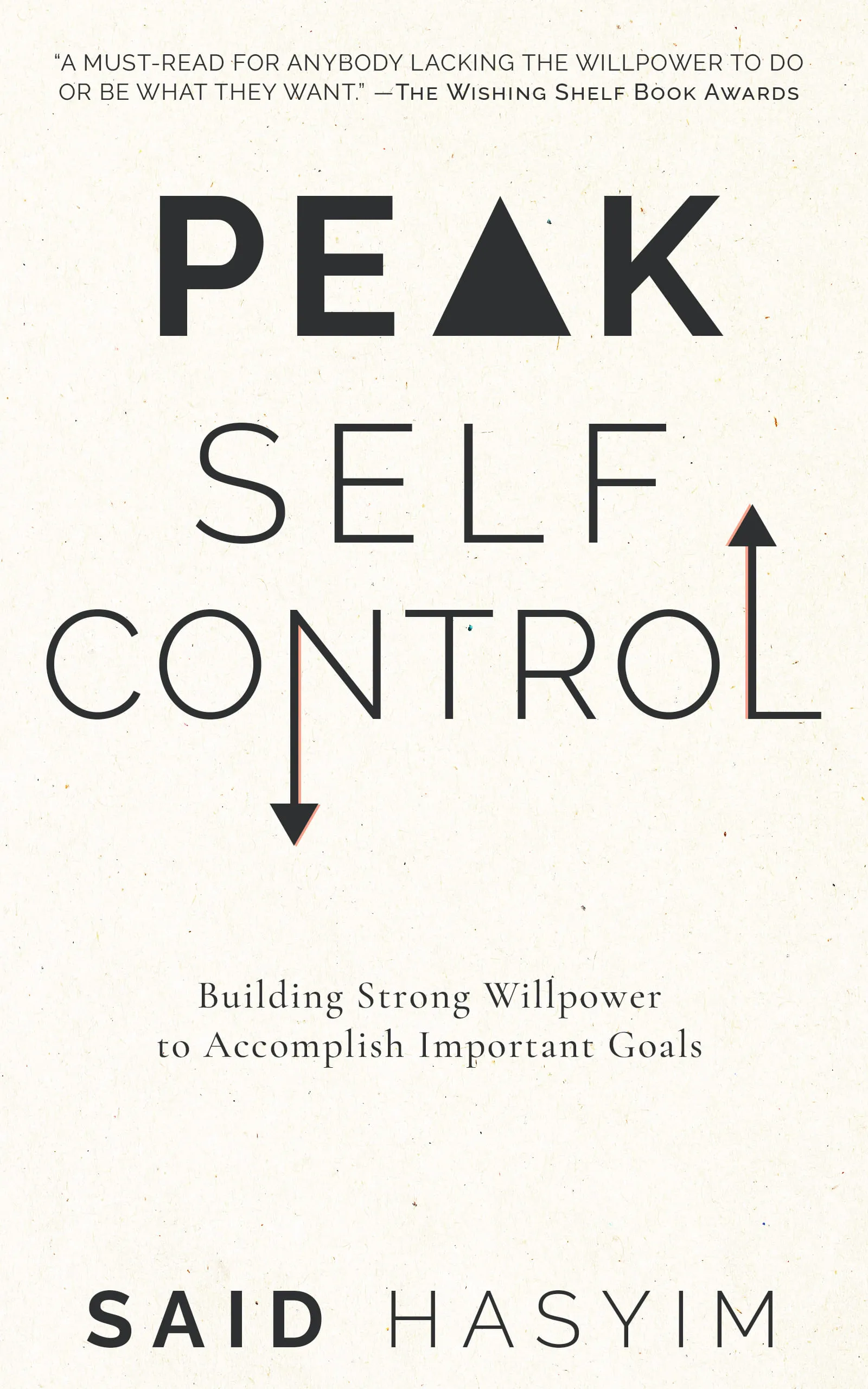
Start Mastering Self-Discipline Today
Discover Peak Self-Control, a practical book to mastering self-discipline. Break free from distractions, build healthier habits, and improve your relationships. Gain effective strategies to enhance your willpower and make meaningful life changes, even amidst a busy schedule. Small adjustments can lead to significant improvements in your daily routine.