How to Cultivate Self-Control in Everyday Life
Self-control is one of the most sought-after qualities in a person's character. It lays the foundation for personal success, fosters healthier relationships, and helps maintain a balanced lifestyle. However, cultivating self-control is often easier said than done. In our fast-paced world filled with distractions, temptations, and immediate gratifications, practicing self-control can feel like an uphill battle. Fortunately, self-control is a skill that can be developed over time through conscious effort and practice.
In this blog post, we'll explore practical strategies for cultivating self-control in our daily lives. Whether you're looking to improve your eating habits, manage your time more effectively, or reduce impulsive behaviors, these tips can help you strengthen your self-discipline.
Understanding Self-Control
Before diving into practical strategies, it's important to grasp what self-control is and why it matters. Self-control is essentially the ability to regulate your emotions, thoughts, and behaviors in the face of temptations and impulses. It plays a crucial role in personal development, helping individuals resist short-term rewards for long-term benefits.
The Neuroscience of Self-Control
Research indicates that self-control utilizes areas of the brain associated with decision-making, impulse regulation, and emotional management. By understanding that self-control is rooted in our biology, we can appreciate that it's a skill that can be nurtured. Just like physical muscles, the more we practice self-control, the stronger it becomes.
Strategies for Building Self-Control
1. Set Clear Goals
Having specific, measurable goals is the starting point for exercising self-control. Rather than vague aspirations like “I want to eat healthier,” develop a clear and actionable plan with defined milestones. For example, you might decide to incorporate more vegetables into your meals and set a goal to cook at least three homemade dinners each week.
2. Create a Plan and Stick to It
Once you have your goals, create a structured plan to accomplish them. Make a detailed schedule, list out the steps necessary, and incorporate these into your daily routine. For example, if your goal is to exercise regularly, set aside dedicated time in your calendar for workouts and treat them like unmissable appointments.
3. Eliminate Temptations
Removing distractions and potential temptations from your environment can significantly enhance your self-control. If you're trying to reduce screen time, place your devices in another room or use apps that limit your access. For healthier eating, avoid stocking your pantry with junk food. By creating an environment that aligns with your goals, you make it easier to exercise self-discipline.
4. Practice Mindfulness
Mindfulness involves being present and aware of your thoughts and feelings without judgment. By honing this skill, you can observe urges and impulses as they arise, providing you with a moment to pause and make conscious choices instead of reactive ones. Consider incorporating mindfulness practices, such as meditation or deep-breathing exercises, into your daily routine.
5. Develop Positive Habits
Building healthy habits can make self-control more manageable. When certain behaviors become automatic, needed self-discipline decreases. Start small by establishing rituals that align with your goals. For instance, if your goal is to read more, designate a specific time each day for reading, gradually building it into your daily routine.
6. Use the "10-Minute Rule"
When faced with a strong impulse, try the "10-Minute Rule." Instead of giving in immediately, pause for ten minutes. During this time, distract yourself or engage in another activity. Often, after this brief period, the initial urge will have diminished, allowing you to make a more measured choice.
7. Practice Delayed Gratification
One of the keys to self-control is the ability to delay gratification. Practice this skill by intentionally choosing to postpone the immediate reward in favor of a greater reward in the future. For example, save a portion of your monthly income for a bigger purchase rather than splurging on smaller, unnecessary items.
8. Surround Yourself with Support
Having a support system can boost your self-control efforts. Share your goals with friends or family, and seek accountability. Join communities or support groups where members pursue similar goals. The encouragement from others can help motivate you during challenging times.
9. Implement Reward Systems
Celebrate your achievements, no matter how small. Setting up a reward system can help reinforce self-control. For instance, reward yourself with a treat or a fun outing after consistently adhering to your goals for a certain period. This creates positive reinforcement, making it easier to stay committed in the long run.
10. Reflect on Progress
Take time to evaluate your journey regularly. Reflect on your successes and setbacks, and consider what strategies have worked or need adjustment. This reflective practice enables you to learn more about yourself, increasing self-awareness, and allowing you to make more informed decisions moving forward.
Conclusion
Cultivating self-control is a lifelong journey that requires consistent effort and intention. By setting clear goals, creating structured plans, and practicing mindfulness, you can strengthen your self-discipline over time. Remember, setbacks are a normal part of the process—what matters most is that you continue to strive for growth and improvement.
Incorporate these strategies into your everyday life and take small steps toward enhancing your self-control. With time, patience, and practice, you will discover the benefits of self-discipline manifesting in various areas of your life, leading to a more fulfilling and balanced existence. Embrace the journey and empower yourself to make choices that align with your long-term aspirations.
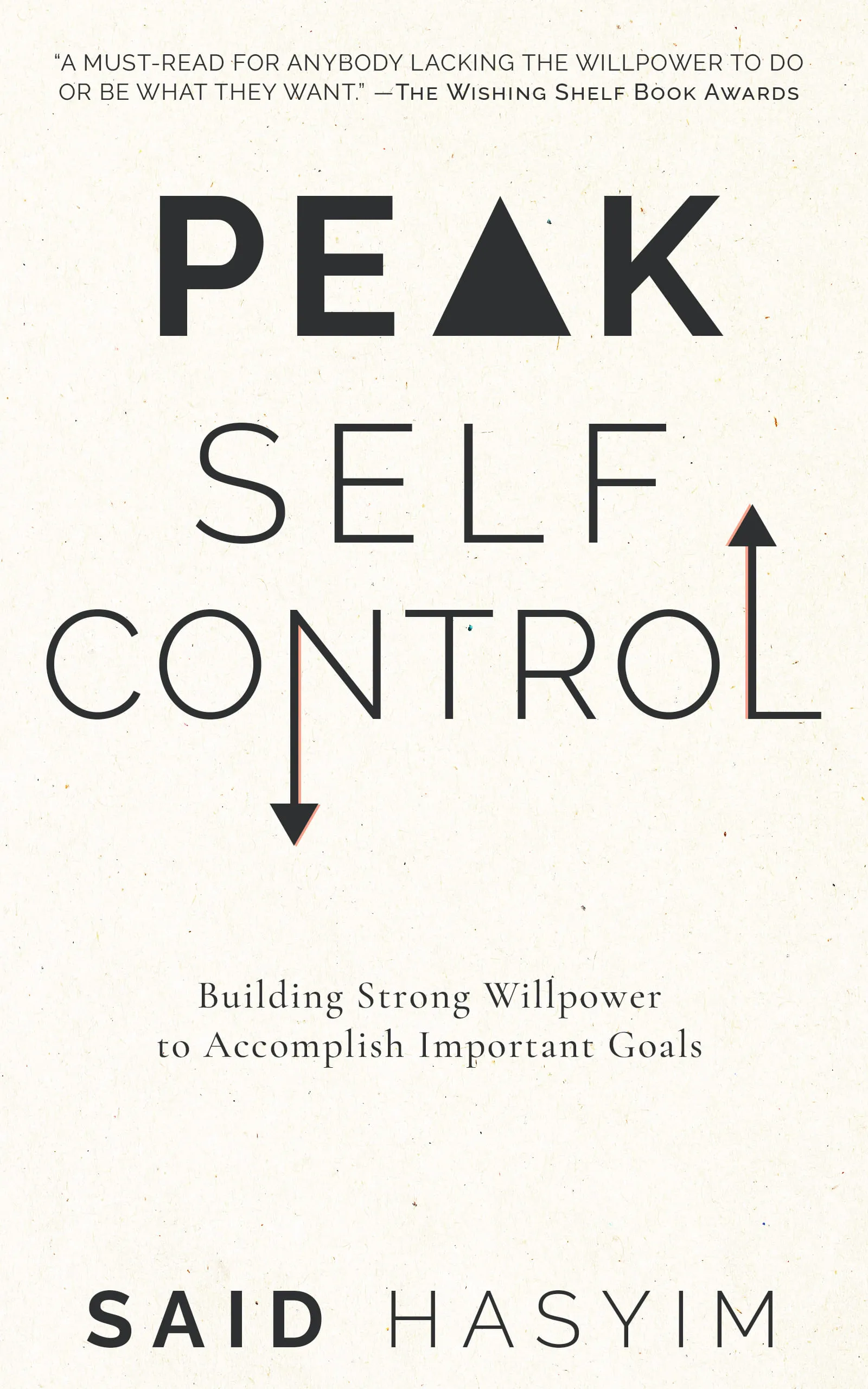
Start Mastering Self-Discipline Today
Discover Peak Self-Control, a practical book to mastering self-discipline. Break free from distractions, build healthier habits, and improve your relationships. Gain effective strategies to enhance your willpower and make meaningful life changes, even amidst a busy schedule. Small adjustments can lead to significant improvements in your daily routine.