Achieve More: The Power of Strong Self-Control
Introduction
In today's fast-paced world, where distractions are abundant and instant gratification reigns supreme, the ability to exhibit strong self-control has become more crucial than ever. Whether in our personal lives, workplaces, or relationships, the power of self-control can significantly enhance our ability to achieve our goals, fulfill our potential, and live a life of purpose and meaning. This blog post aims to explore the multifaceted nature of self-control, its significance in achieving success, and practical strategies to develop and strengthen this vital skill.
Understanding Self-Control
Self-control, often referred to as self-discipline, is the ability to regulate one's emotions, thoughts, and behaviors in the face of temptations and impulses. It is a key component of emotional intelligence and plays a pivotal role in our decision-making processes. When we exercise self-control, we choose long-term rewards over short-term gains—ultimately leading to a more satisfying and fulfilling life.
The Science Behind Self-Control
Research in psychology has shown that self-control is akin to a muscle; the more you practice it, the stronger it becomes. A study conducted by Baumeister et al. (1998) found that individuals who exert self-control in one area of their lives were more capable of doing so in other areas as well. This phenomenon, known as "ego depletion," suggests that self-control can be temporarily drained but can also be replenished through rest and recovery.
Despite its importance, self-control can sometimes seem elusive. The modern world, filled with social media notifications, junk food ads, and endless to-do lists, creates a myriad of distractions that test our self-discipline daily. Developing self-control is not about restricting ourselves or denying pleasure; instead, it’s about making conscious decisions that align with our core values and long-term objectives.
The Benefits of Strong Self-Control
Achieving your goals and leading a fulfilling life hinges on your ability to exercise self-control. Here are some of the myriad benefits of cultivating strong self-discipline:
1. Improved Decision-Making
With strong self-control, individuals are better equipped to make thoughtful and informed decisions rather than succumbing to impulsive actions. This leads to more prudent choices, such as prioritizing healthier eating habits, nurturing meaningful relationships, and investing time into personal and professional growth.
2. Greater Achievement of Goals
Self-control enables you to stay focused on long-term objectives despite the enticing allure of instant gratification. People with high self-discipline tend to be more successful in pursuing their ambitions, be it in academics, careers, or personal projects, because they can steer clear of distractions and remain committed to their paths.
3. Enhanced Emotional Wellbeing
Self-control is closely linked to emotional regulation. Understanding and managing your emotions effectively can lead to reduced stress and anxiety levels. By practicing self-discipline, you can cultivate a healthy relationship with your emotions, ultimately leading to increased happiness and life satisfaction.
4. Better Relationships
Strong self-control can translate into healthier and more fulfilling relationships. It allows for improved communication, empathy, and patience, which are essential to resolving conflicts and building trust. Exercising self-discipline in your interactions leads to stronger connections with others.
Cultivating Strong Self-Control
While some people may have a natural inclination toward self-discipline, it is a skill that can be developed over time. Here are several effective strategies for strengthening your self-control:
1. Set Clear Goals
A well-defined goal is a powerful motivator. Write down your short-term and long-term objectives clearly and specifically. This not only gives you direction but also allows you to measure your progress and stay accountable.
2. Create a Structured Environment
Your environment can significantly impact your ability to exercise self-control. To minimize distractions, create spaces that promote productivity. For example, designate a clutter-free workspace for focused tasks, or plan your meals in advance to avoid unhealthy snacking.
3. Practice Mindfulness
Mindfulness is the practice of being present and fully engaged in the moment. It fosters self-awareness, allowing you to recognize impulsive thoughts and feelings before acting on them. Incorporating mindfulness techniques, such as meditation or deep breathing exercises, can help enhance your self-control.
4. Use the "10-Minute Rule"
When faced with temptation, give yourself a brief pause—typically around ten minutes—before indulging. This simple strategy takes advantage of the brain's ability to prioritize long-term rewards over immediate comforts. Often, the urge will subside after a short break, leaving you more capable of making a thoughtful decision.
5. Reward Yourself
Incorporating a system of rewards can make the process of exercising self-control more enjoyable. Set up small, manageable rewards for achieving milestones on your journey toward your larger goals. This not only reinforces your progress but also gamifies the process.
6. Foster a Growth Mindset
Embrace challenges and setbacks as opportunities for growth rather than obstacles. A growth mindset cultivates resilience and persistence, essential characteristics of strong self-discipline. Remember, mistakes will happen, but they are stepping stones to success.
Conclusion
The power of strong self-control is undeniable and leads to a more rewarding and accomplished life. By understanding its significance, appreciating the benefits of self-discipline, and implementing practical strategies to cultivate it, we can unlock our full potential and make more meaningful strides towards our goals. In a world filled with distractions, developing strong self-control may be one of the most valuable skills we can cultivate—enabling us to achieve more not only for ourselves but also for those around us.
As you embark on your journey to strengthen your self-control, remember that progress takes time and dedication. Celebrate the small victories, and don't be too hard on yourself during setbacks. With practice, you’ll find that self-control is not merely an abstract concept but a powerful tool that can empower you to lead a fulfilling and successful life.
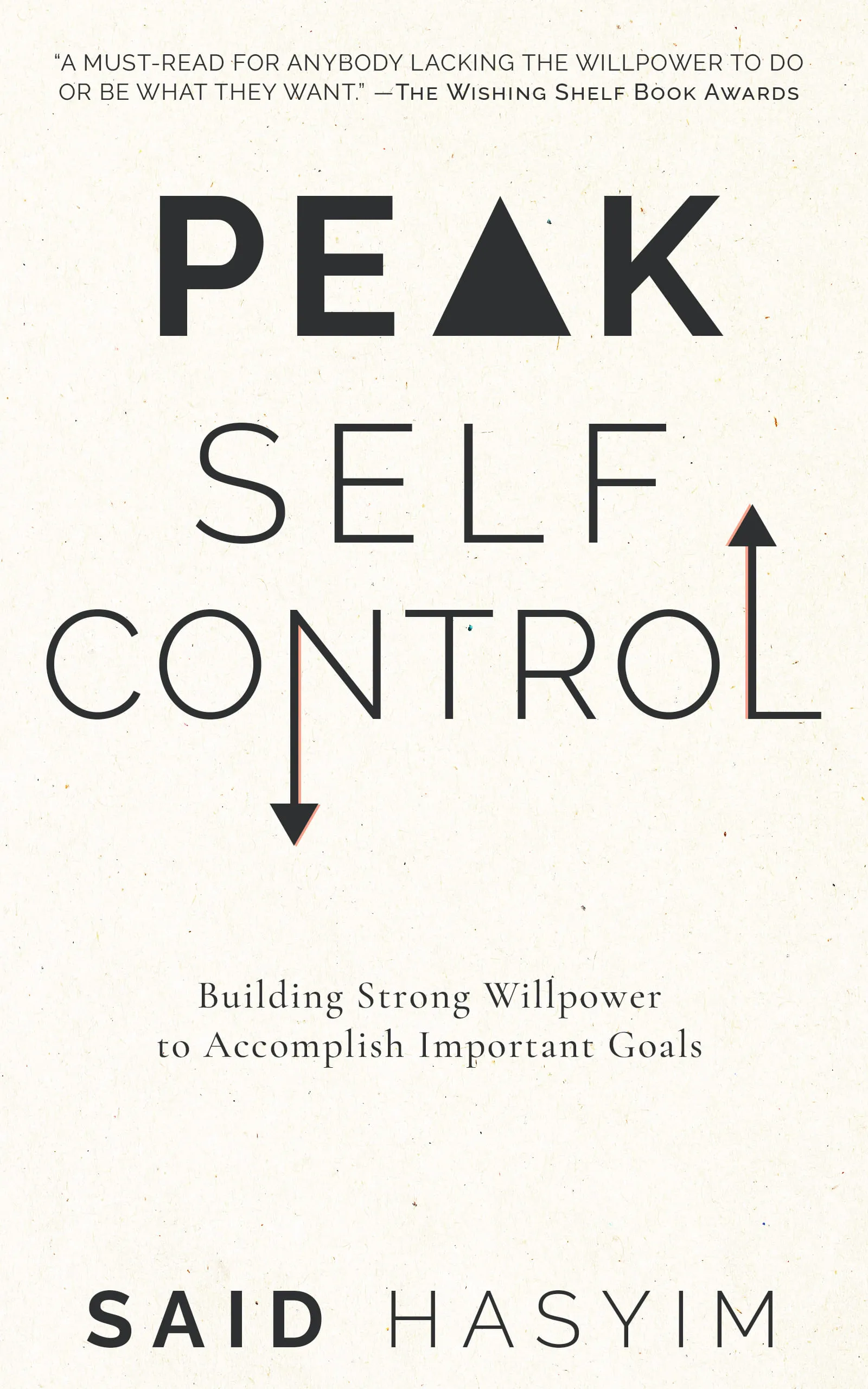
Start Mastering Self-Discipline Today
Discover Peak Self-Control, a practical book to mastering self-discipline. Break free from distractions, build healthier habits, and improve your relationships. Gain effective strategies to enhance your willpower and make meaningful life changes, even amidst a busy schedule. Small adjustments can lead to significant improvements in your daily routine.