Why Realism is More Important Than Ever
In our rapidly evolving world, filled with technological advancements, social shifts, and global challenges, one might wonder why the concept of realism holds any significant weight today. As society progresses, the allure of idealistic thinking often eclipses the pragmatic approach that realism advocates. However, as we navigate through increasingly complex issues, such as climate change, economic inequality, political polarization, and public health crises, it becomes clear that realism is more crucial than ever.
Understanding Realism
Before exploring why realism is essential, it's important to understand what the term means. Realism, in a broad sense, is an approach that emphasizes practicality, factual accuracy, and an acceptance of the world as it is rather than how it ought to be. This philosophy is applicable to various fields including politics, art, literature, and philosophy, each interpreting realism in its own way.
In politics, realism is often associated with a focus on power dynamics and national interests rather than ideological concerns. In literature and art, realism aims to depict subjects as they are in everyday life, eschewing romantic notions. This grounded perspective is what makes realism so essential in our current landscape.
The Complexity of Modern Challenges
One of the leading reasons realism is more important than ever is the complexity of the challenges we face. Today, we are grappling with multifaceted issues that defy simplistic solutions.
Climate Change
Take climate change, for example. The issue is not just a scientific one; it’s also rooted in economics, politics, and social structures. Idealistic policies that promise quick fixes often overlook the complexities of global supply chains, social justice, and economic disparities. A realistic approach involves acknowledging these complexities and creating multifaceted solutions that consider everyone affected by climate change.
Political Polarization
Political polarization is another aspect where realism shines. The rhetoric often oscillates between extreme ideologies, creating an environment where compromise is seen as weakness. However, a realistic view encourages dialogue and acknowledges that no single viewpoint can solve society's multifaceted problems. It allows for a more nuanced understanding of diverse perspectives, paving the way for collaborative solutions.
Public Health Crises
The COVID-19 pandemic illustrated the necessity of realism in public health. Early in the crisis, overly optimistic predictions about vaccine rollouts and societal reopening led to confusion and misinformation. A more realistic view would have prompted preparedness based on data, infrastructure limitations, and the unpredictability of virus mutations, resulting in better public health policies and outcomes.
The Role of Realism in Different Sectors
Business and Economics
In the business world, realism fosters a culture of responsible decision-making. Companies that adopt a realistic outlook are better equipped to navigate economic downturns and unexpected changes. Instead of chasing unrealistic growth targets, businesses can focus on sustainable practices that enhance long-term stability and innovation.
Education
Realism plays a crucial role in education as well. As educators, it’s essential to prepare students for an ever-evolving job market. Recognizing the range of skills needed in various industries allows educators to adopt a more practical curriculum, focusing on critical thinking and adaptability rather than rote memorization.
Media and Communication
Lastly, in an age of misinformation, realism is indispensable in media and communication. The spread of fake news and sensationalism has blurred the lines of reality. A realistic approach to journalism involves fact-checking, presenting diverse viewpoints, and distinguishing between opinion and fact, creating an informed public equipped to make educated decisions.
Cultivating a Realistic Mindset
Realism isn’t just about acknowledging harsh truths; it’s also about cultivating a mindset that embraces resilience and adaptability. Here are some steps to foster a realistic mindset:
Embrace Complexity: Understand that most issues are not black and white. Take the time to explore various facets of problems before jumping to conclusions.
Focus on Data: Rely on evidence and data rather than emotions or ideologies when discussing societal issues.
Encourage Dialogue: Promote open discussions that allow for a variety of opinions. Only through understanding differing viewpoints can we hope to find common ground.
Be Pragmatic: Instead of seeking perfect solutions, focus on incremental improvements that can lead to substantial changes over time.
Stay Informed: Keep abreast of current events and scientific research to understand the real implications of issues that matter to you.
Conclusion
As we collectively face numerous global challenges, the importance of realism cannot be overstated. It offers a pragmatic framework for understanding the world and developing solutions that are both effective and sustainable. By nurturing a realistic mindset, we can foster resilience, promote dialogue, and contribute to a more balanced society ready to tackle upcoming challenges head-on.
In a time where idealism often clouds judgment, striving for a realistic approach is not merely important; it is imperative. Whether in politics, business, education, or personal life, resolving to ground ourselves in reality will be crucial for navigating the uncertainties of the future. Embracing realism equips us with the tools we need to address today’s challenges effectively, ensuring a thoughtful, measured approach toward a better tomorrow.
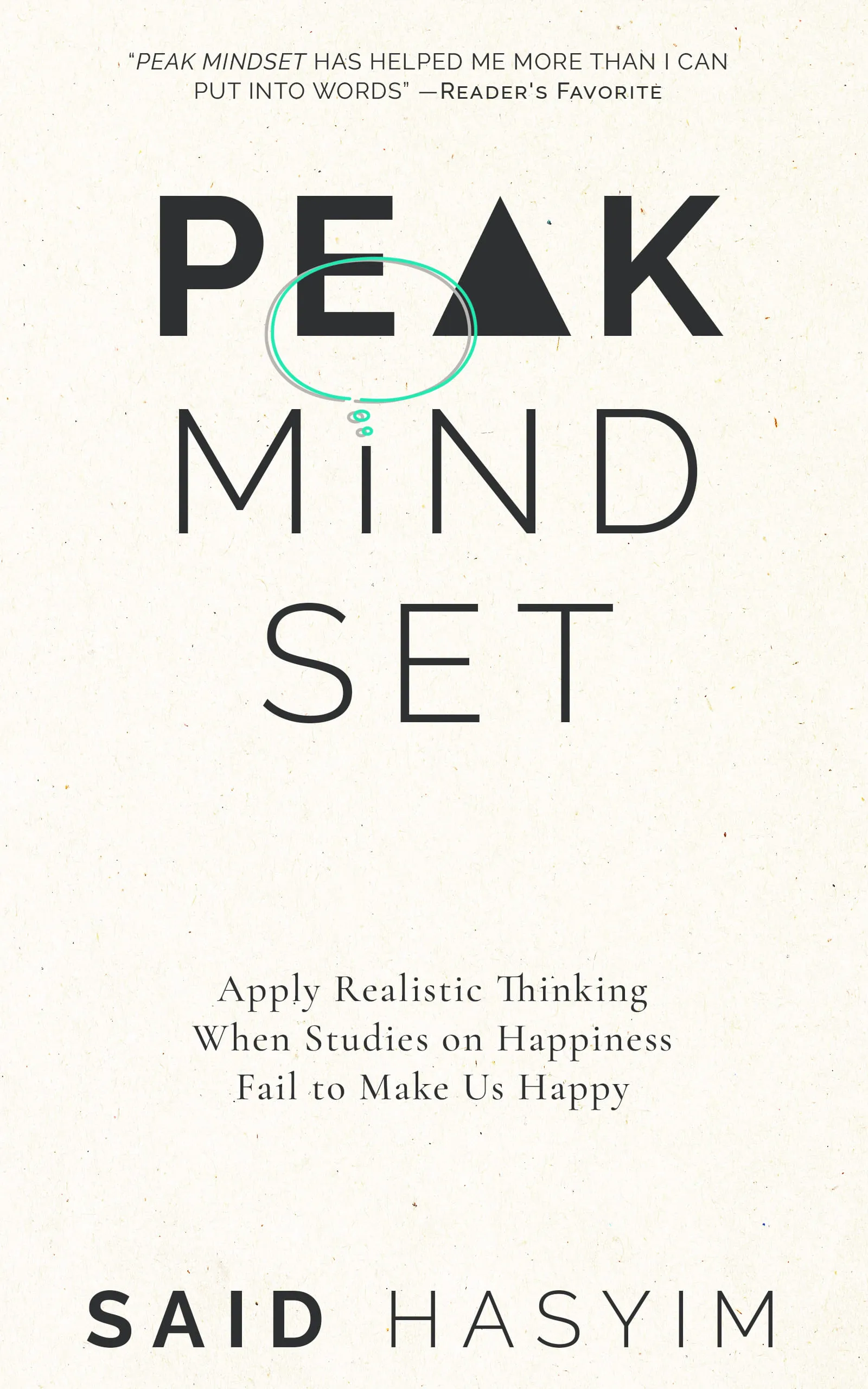
Leverage Your Mindset for a Fulfilling Life
Explore Peak Mindset, a book to leveraging your subconscious for a more fulfilling life. Gain insights into realistic thinking, money management, and stress resilience to make informed decisions. Discover pitfalls in conventional happiness advice and practical strategies for self-transformation. Unlock your potential and enhance your overall satisfaction.