Transformative Power of Realistic Mindset Changes
In today's fast-paced world, it's easy to get caught up in the hustle and bustle of everyday life. We find ourselves juggling responsibilities and striving for success, often at the expense of our mental well-being. In this chaos, our mindsets can become stuck in patterns that limit our potential. However, adopting a realistic mindset can serve as a transformative force, altering how we view ourselves, our challenges, and our relationships with others.
Understanding the Mindset
A mindset is essentially the lens through which we perceive the world. It determines how we respond to challenges, setbacks, and achievements. Mindsets can be broadly categorized into two types: fixed and growth. A fixed mindset holds that our abilities and intelligence cannot be changed, while a growth mindset embraces the idea that skills and intelligence can develop over time.
While both mindsets have their merits, a realistic mindset offers a middle ground that focuses on practical thinking and acceptance of limitations while still striving for improvement. This approach emphasizes self-awareness, adaptability, and the balance between optimism and realism.
The Importance of Realism
1. Accepting Limitations
One of the cornerstones of a realistic mindset is the acceptance of one’s limitations. This acceptance isn’t about resignation; it’s about acknowledging where we stand and recognizing that it’s okay to not be perfect. Many of us live under an illusion of perfectionism, believing that if we can’t achieve something flawlessly, we shouldn’t attempt it at all.
By adopting a realistic mindset, we can break free from this cycle. Rather than being paralyzed by fear of failure, we can view our limitations as opportunities for growth. This shift in perspective allows us to approach challenges with an open mind, leading to more productive outcomes.
2. Setting Achievable Goals
When we adopt a realistic mindset, we also become better at setting achievable goals. Unrealistically high expectations can lead to disappointment and burnout. However, by assessing our current situation and understanding what is feasible, we can set SMART goals—Specific, Measurable, Achievable, Relevant, and Time-bound.
Setting realistic goals helps us celebrate small victories along the way, fostering motivation and a sense of accomplishment. These achievements, no matter how small, can build momentum, propelling us toward larger objectives.
3. Embracing Lifelong Learning
A realistic mindset encourages a commitment to lifelong learning. By recognizing that there’s always room for growth and improvement, we cultivate curiosity and openness to new experiences. This openness allows us to adapt to changes and discover new ways to tackle problems, transforming setbacks into valuable learning experiences.
Moreover, understanding that learning is a continuous process alleviates the pressure associated with immediate success. It shifts our focus from solely the end result to the journey of acquiring knowledge and skills, thus making the pursuit more enjoyable.
Cultivating a Realistic Mindset
Now that we understand the significance of a realistic mindset, the next step is to cultivate it. Here are several practical strategies to help you develop a more realistic perspective:
1. Self-Reflection
Engage in regular self-reflection to understand your thoughts and behaviors. Journaling is an excellent way to document your feelings, challenges, and successes. This practice allows you to recognize patterns in your mindset and triggers that lead to unrealistic expectations.
2. Surround Yourself with Positive Influences
Seek out individuals who embody a realistic mindset. Engaging in meaningful conversations with positive and supportive people can provide insight into practical approaches for dealing with challenges. The right influences can help you recalibrate your expectations and inspire personal growth.
3. Practice Gratitude
Focusing on what you are grateful for can shift your perspective from what is lacking to what is abundant in your life. By acknowledging your accomplishments, the strengths of those around you, and the opportunities available to you, you can foster a more balanced outlook.
4. Mindfulness and Acceptance
Incorporate mindfulness practices into your daily routine. Techniques like meditation, deep breathing, or yoga can help you become more aware of your thoughts and feelings. By creating space for acceptance—from both yourself and your circumstances—you’ll find it easier to adopt a realistic mindset.
5. Challenge Negative Thoughts
Whenever you catch yourself spiraling into negative thoughts, challenge them. Ask yourself whether they are based on facts or assumptions. Reframing your thought patterns can lead to a more balanced and realistic outlook.
The Ripple Effect of a Realistic Mindset
The transformative power of a realistic mindset extends beyond personal growth; it creates a ripple effect in the lives of those around you. When you embody realism, you inspire others to adopt a similar approach. This fosters an environment where empathy and understanding thrive, allowing everyone to create a space for collective growth.
Moreover, embracing a realistic mindset can help improve your relationships. Clear communication about expectations and limitations can lead to enhanced understanding and reduced conflicts. Instead of striving for unrealistic ideals, focus on cultivating authentic connections built on mutual respect and support.
Conclusion
The journey towards a realistic mindset is not a destination but an ongoing process. It involves persistent self-examination, a willingness to embrace change, and a commitment to nurturing a positive outlook on life. By accepting our limitations, setting achievable goals, and embracing lifelong learning, we develop resilience that can see us through life's challenges.
Ultimately, adopting a realistic mindset can transform not only our lives but also the lives of those around us. It allows us to approach life with a sense of purpose and direction, fostering personal and collective growth. So take that first step—reframe your thinking today and unlock the transformative power that lies in a realistic mindset!
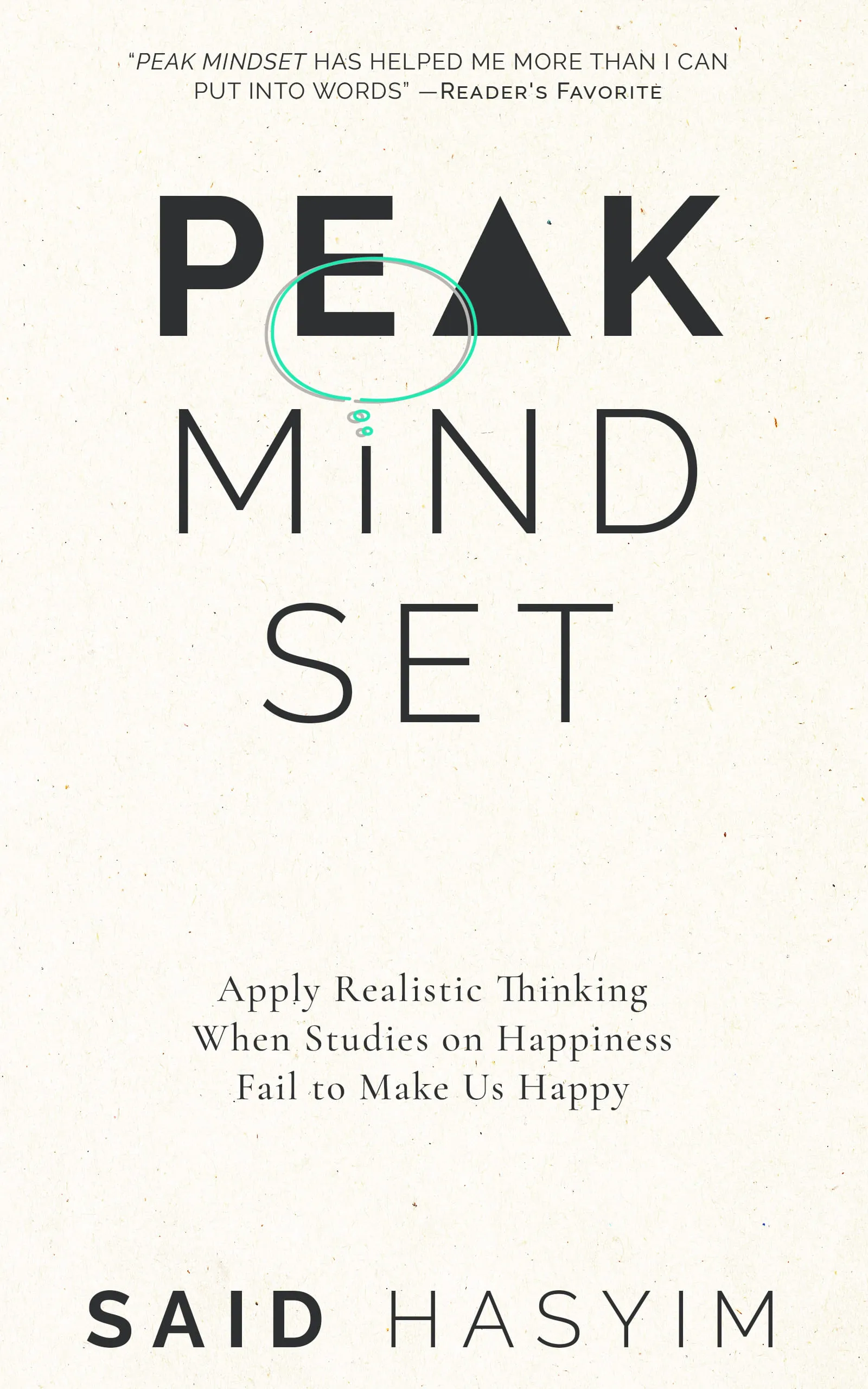
Leverage Your Mindset for a Fulfilling Life
Explore Peak Mindset, a book to leveraging your subconscious for a more fulfilling life. Gain insights into realistic thinking, money management, and stress resilience to make informed decisions. Discover pitfalls in conventional happiness advice and practical strategies for self-transformation. Unlock your potential and enhance your overall satisfaction.