The Importance of Thoughtful Decision-making
In our fast-paced world, where information is constantly at our fingertips and choices are in abundance, the art of decision-making has never been more critical. Whether it’s a significant life-changing choice or a minor daily decision, the impact of our choices resonates throughout our lives. Thoughtful decision-making stands as an essential skill that can shape our futures, guide our personal growth, and help us navigate the complexities of modern life.
What is Thoughtful Decision-Making?
Thoughtful decision-making involves a deliberate and reflective process in evaluating options before arriving at a conclusion. It demands self-awareness, critical thinking, and an understanding of consequences and nuances. This thoughtful approach rests on several key components:
- Awareness of Self: Understanding personal values, goals, and biases.
- Information Gathering: Researching and considering diverse perspectives and gathering relevant data.
- Evaluation of Options: Weighing the pros and cons and considering both short-term and long-term outcomes.
- Reflection: Taking time to contemplate the potential ramifications of decisions.
- Flexibility: Being open to changing choices as new information surfaces.
In contrast, hasty or impulsive decision-making often overlooks these important components, leading to outcomes that may not align with our values or long-term goals.
The Consequences of Poor Decision-Making
The ramifications of poor decision-making are far-reaching, spanning both personal and professional realms. Here are some potential consequences:
- Loss of Opportunities: Rushed decisions can lead to missed opportunities for growth, learning, and advancement.
- Strained Relationships: Decisions made without considering the feelings and perspectives of others can result in misunderstandings or conflict.
- Financial Impact: Poor choices regarding finances, such as impulsive spending or inadequate planning, can lead to long-term economic difficulties.
- Emotional Distress: Snap decisions often lead to regret or anxiety, impacting overall well-being and self-esteem.
- Stagnation: Without thoughtful decision-making, individuals may fall into repetitive, unfulfilling patterns due to fear of change or failure.
Benefits of Thoughtful Decision-Making
Taking the time to make thoughtful decisions can lead to several positive outcomes:
1. Enhanced Clarity
When we engage in thoughtful reflection, we develop clarity about our desires and aspirations. This insight enables us to align our decisions with our true selves, paving the way for a more fulfilling life. The process of evaluating our values brings forward a sense of purpose in each choice we make.
2. Increased Confidence
As we cultivate the ability to assess options thoughtfully, we gain confidence in our decision-making skills. This confidence fosters a more proactive approach towards challenges, empowering us to take risks and explore new territories.
3. Improved Relationships
Thoughtful decision-making encourages us to listen and consider the perspectives of others, fostering better communication and understanding. Whether in personal or professional settings, a decision made with empathy can strengthen bonds and build trust.
4. Greater Resilience
Engaging in reflective decision-making equips us with the skills to manage the consequences of our choices, good or bad. When faced with challenges, we learn to adapt, pivot, and make informed adjustments moving forward. This resilience becomes invaluable in navigating life’s uncertainties.
5. Long-term Success
A thoughtful approach to decision-making creates a solid foundation for long-term success. By considering consequences and aligning decisions with long-term goals, individuals can make choices that propel them toward their envisioned future.
Strategies for Thoughtful Decision-Making
To enhance your decision-making process, consider the following strategies:
1. Set Aside Time
Amidst a busy schedule, it’s imperative to carve out time for decision-making. Even brief pauses in moments of choice can help you gather your thoughts and evaluate options systematically.
2. Seek Diverse Perspectives
Engage with friends, family, or colleagues to discuss decisions. Diverse viewpoints can illuminate blind spots and present options you may not have considered.
3. Utilize Checklists
Creating a checklist of criteria or questions can help ensure that no critical factor is overlooked. This method provides a structured approach to assessing options efficiently.
4. Embrace Mindfulness
Mindfulness techniques, such as meditation or focused breathing, can enhance your ability to center your thoughts and approach decision-making with clarity and calmness.
5. Revisit Past Decisions
Reflect on previous decisions and their outcomes. This practice helps in recognizing patterns in decision-making—both positive and negative—allowing for a more informed approach in the future.
Conclusion
In a world where choices abound and instant gratification often overshadows thoughtful consideration, the importance of deliberate decision-making cannot be overstated. Developing skills in thoughtfulness not only enhances our personal and professional lives but also enriches our relationships and overall well-being. By investing the time and effort into making informed decisions, we are not merely choosing our paths—we are actively crafting our destinies.
Embrace the art of thoughtful decision-making, and watch as it transforms the way you navigate life’s intricate web of choices.
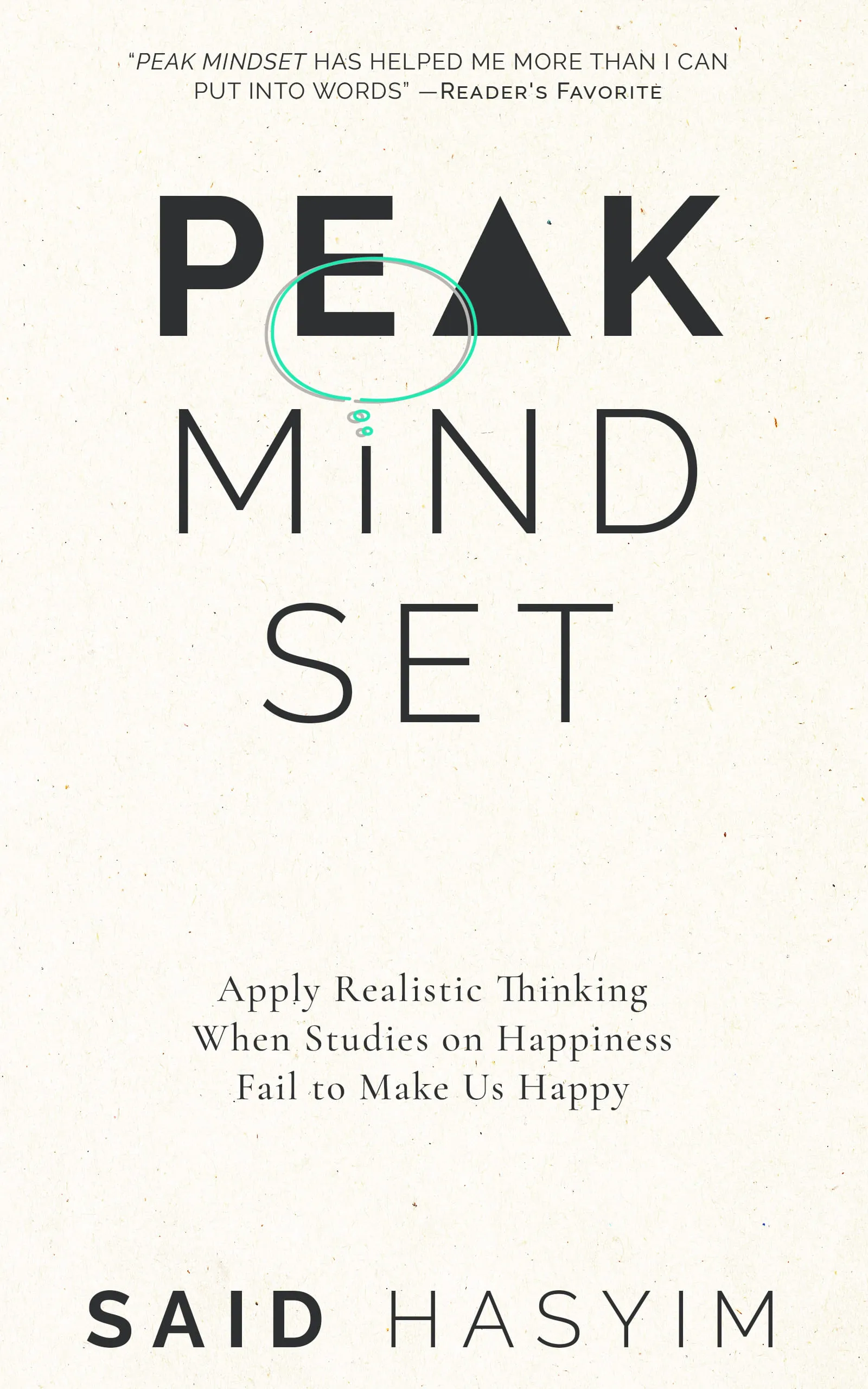
Leverage Your Mindset for a Fulfilling Life
Explore Peak Mindset, a book to leveraging your subconscious for a more fulfilling life. Gain insights into realistic thinking, money management, and stress resilience to make informed decisions. Discover pitfalls in conventional happiness advice and practical strategies for self-transformation. Unlock your potential and enhance your overall satisfaction.