The Hidden Benefits of Realistic Thinking
In an age where positivity is often praised and optimism is seen as a virtue, it can be easy to overlook the equally important approach of realistic thinking. While many advocate for a "think positive" mindset, there is a wealth of benefits that come from adopting a more pragmatic and realistic perspective on life. In this post, we will explore the hidden benefits of realistic thinking and how it can positively influence various aspects of our lives, from decision-making to emotional well-being.
What is Realistic Thinking?
Realistic thinking involves approaching situations with a clear-eyed understanding of the facts, limitations, and potential outcomes. It combines a critical evaluation of the current situation with an acceptance of reality, enabling individuals to make informed decisions. Unlike pessimism, which often focuses on the negative aspects alone, realistic thinking encompasses a balanced view by acknowledging both the challenges and opportunities present.
Enhances Decision-Making Skills
One of the most significant benefits of realistic thinking is its positive impact on decision-making. When faced with choices, individuals who employ a realistic mindset assess probabilities, anticipate potential obstacles, and weigh the pros and cons thoroughly. This level-headed approach leads to more informed, strategic decisions, thereby reducing impulsivity.
Example: Career Choices
Consider a person weighing job offers. A realistic thinker will consider not only salary and benefits but also work-life balance, growth opportunities, and company culture. By analyzing all factors objectively, they are more likely to choose a position that aligns with their long-term goals and personal values.
Reduces Stress and Anxiety
Realistic thinking has profound implications for managing stress and anxiety. By accepting reality as it is, individuals can prevent the emotional turmoil that arises from unrealistic expectations and fears. Rather than constantly worrying about what could go wrong, realistic thinkers focus on what can be controlled.
Coping Strategy
For instance, during a challenging period like a job loss or a breakup, realistic thinking encourages individuals to acknowledge their feelings while also formulating actionable steps for improvement. This dual approach reduces feelings of helplessness and empowers individuals to take charge of their lives again.
Fosters Resilience
Resilience is the ability to bounce back from adversity, and it is a skill that can be cultivated through realistic thinking. By understanding that setbacks are a natural part of life, individuals can learn to face challenges without becoming overwhelmed or defeated.
Learning from Failures
Realistic thinkers view failures not as final judgments on their abilities but rather as learning opportunities. This perspective promotes growth and resilience, as individuals are more likely to adjust their strategies and try again, facing future challenges with renewed determination.
Encourages Growth Mindset
A growth mindset is the belief that abilities and intelligence can be developed over time. Realistic thinking complements this mindset by fostering a grounded understanding of one’s strengths and weaknesses. Rather than having an inflated or diminished view of oneself, realistic thinkers assess their skills accurately, paving the way for targeted personal development.
Setting Achievable Goals
When setting goals, a realistic approach means considering what is feasible based on existing skills and resources. This leads to the establishment of achievable milestones, making the journey toward self-improvement both manageable and rewarding.
Strengthens Relationships
Realistic thinking also plays a crucial role in nurturing personal and professional relationships. By being honest about one’s emotions, expectations, and limits, individuals foster open communication and trust.
Effective Communication
For example, in a relationship where one partner has unrealistic expectations, the other might feel constantly pressured to meet those expectations. A realistic thinker can articulate their feelings and negotiate compromises, leading to a more harmonious and satisfying relationship.
Enhances Overall Well-Being
Incorporating realistic thinking into daily life can lead to improved overall well-being. Individuals who adopt this mindset can cultivate gratitude for what they have while also being grounded in reality, preventing feelings of discontent that often arise from comparison and unrealistic aspirations.
Mindfulness Practice
Mindfulness practices, such as meditation, can complement realistic thinking. By training the mind to live in the present and accept situations as they are, individuals can cultivate a sense of peace and contentment that is grounded in reality.
Conclusion
While optimism and positivity can fuel ambition and inspire change, the hidden benefits of realistic thinking provide a necessary balance. By embracing a clear-eyed perspective, individuals can enhance their decision-making skills, reduce stress, foster resilience, encourage a growth mindset, strengthen relationships, and improve their overall well-being.
Incorporating realistic thinking into your life does not mean discarding positivity; rather, it means approaching life with a healthy blend of optimism and practicality. So, the next time you find yourself caught up in grand expectations or overwhelming anxieties, take a step back and consider the reality of your situation. Embrace it, and you may just discover a wealth of hidden benefits waiting to be uncovered.
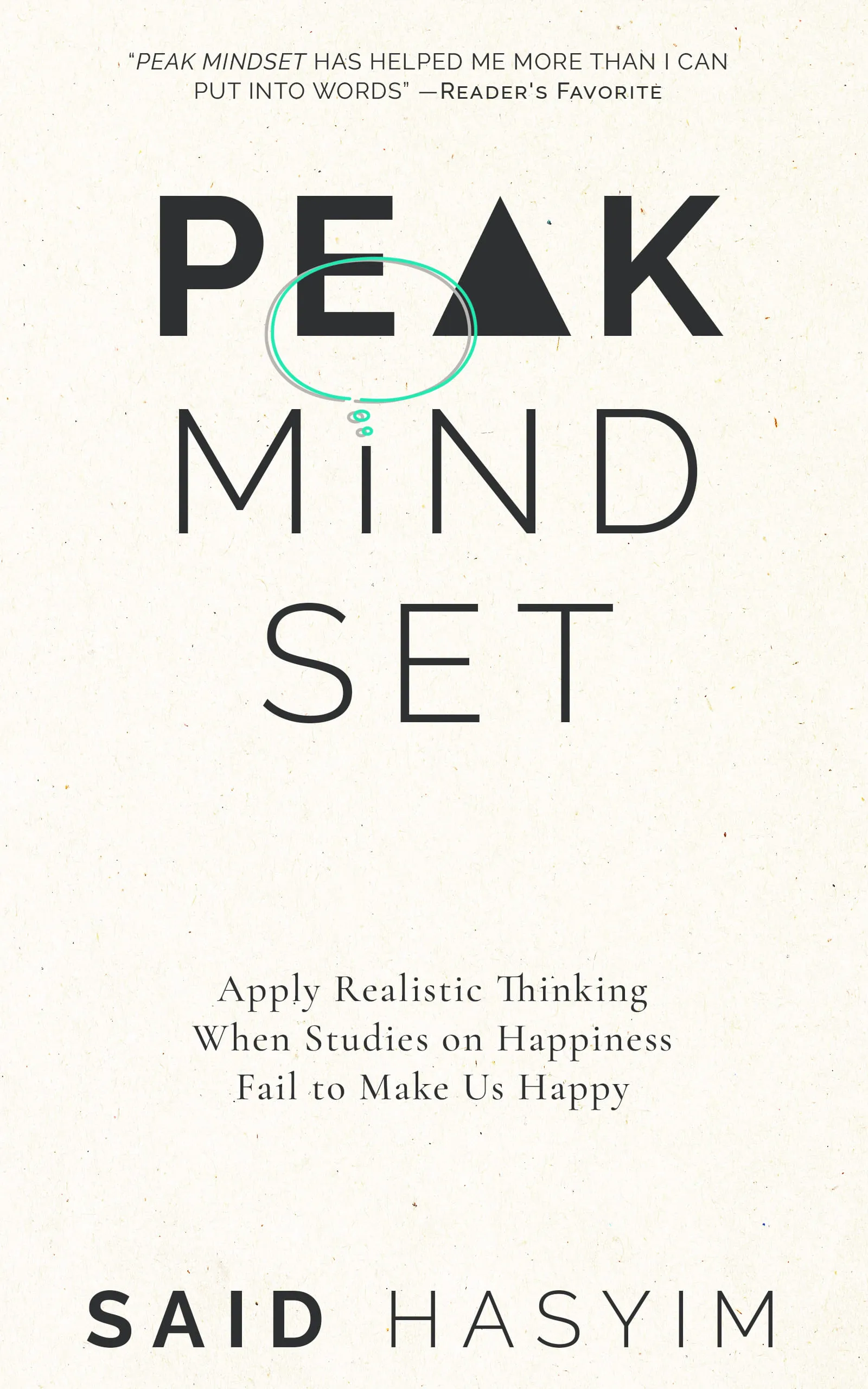
Leverage Your Mindset for a Fulfilling Life
Explore Peak Mindset, a book to leveraging your subconscious for a more fulfilling life. Gain insights into realistic thinking, money management, and stress resilience to make informed decisions. Discover pitfalls in conventional happiness advice and practical strategies for self-transformation. Unlock your potential and enhance your overall satisfaction.