Realism as a Tool for Emotional Resilience
In an increasingly uncertain world, the concept of emotional resilience has gained significant attention. Emotional resilience is often defined as the ability to adapt to stressful situations and bouncing back from challenges in life. While strategies such as mindfulness, positive thinking, and self-care are frequently highlighted, another powerful approach often overlooked is realism. This blog post delves into how embracing realism can become a vital tool for developing emotional resilience.
Understanding Realism
At its core, realism is about seeing things as they are, without the distortion of overly optimistic or pessimistic views. It requires a clear-eyed assessment of situations, acknowledging both the positives and negatives. Realism doesn't imply cynicism; rather, it encourages an objective evaluation of circumstances. By understanding what is truly happening—without the embellishment of wishful thinking or despair—individuals can navigate their emotions more effectively.
The Importance of Accepting Reality
One of the fundamental steps in emotional resilience is the acceptance of reality. Many people struggle with acceptance, opting for denial or wishful thinking instead. This resistance can prolong suffering, leading to a cycle where one feels trapped in their circumstances.
By practicing acceptance, individuals can acknowledge their feelings, experiences, and the facts surrounding their situations. Acceptance does not mean resigning oneself to a negative situation; rather, it fosters a foundation for change. Through realism, you learn to say, "This is the current situation, and I can work with it."
The Role of Realism in Emotional Resilience
1. Clarity in Decision-Making
Realism provides clarity in our decision-making processes. When faced with challenges, it prompts us to assess all facts and options logically. Instead of making impulsive decisions based on fear or hope, realism allows us to evaluate potential outcomes aligned with the situation at hand. This clarity contributes to greater confidence and a stronger sense of agency, key components in emotional resilience.
2. Learning from Adversity
Facing tough realities can be daunting, but it also serves as a tremendous opportunity for growth. The ability to confront difficult truths can release a wealth of insights about one’s strengths and weaknesses. Realism turns adversity into a learning experience; it invites individuals to reframe challenges as opportunities for development rather than insurmountable barriers. This reframing is essential for fostering resilience.
3. Reducing Anxiety and Uncertainty
A common emotional response to challenging situations is anxiety. Most of our anxieties stem from uncertainty or fear of the unknown. However, embracing realism allows individuals to assess situations more accurately and reduces the mental clutter caused by hypothetical worst-case scenarios. By focusing on the present and the facts, one can diminish anxiety and navigate through uncertainty with greater ease.
4. Building Realistic Expectations
When we engage in unrealistic thinking, we set ourselves up for disappointment. Realism promotes the setting of attainable goals and expectations, allowing us to experience success more frequently. This, in turn, cultivates motivation and boosts self-esteem, two foundational elements of emotional resilience. With realistic expectations, individuals can steadily build their emotional stamina.
Practical Steps to Cultivate Realism
1. Mindful Observation
Engaging in mindful observation allows you to notice your thoughts and feelings objectively. Rather than resorting to self-criticism or irrational thinking, mindfulness helps you assess situations as they are. Regular mindfulness practices, such as meditation or journaling, can enhance your ability to observe your surroundings and emotions without attachment.
2. Embrace Constructive Feedback
Seeking constructive feedback from others can provide a reality check. Encourage trusted allies to give you their honest opinions on your situation. This feedback can expose blind spots and lead to an enriched understanding of your reality.
3. Practice Self-Compassion
Acknowledging reality doesn't always feel pleasant. It's crucial to approach yourself with compassion as you confront difficult truths. Practicing self-compassion can cushion the emotional blow that may come from recognizing uncomfortable realities, allowing you to cultivate resilience rather than dwelling on negative self-judgment.
4. Reflect Regularly
Incorporate reflective practices, such as journaling or contemplative thinking, into your routine. This can help solidify your understanding of your reality. Ask yourself questions that focus on what is happening around you, how you feel about it, and what practical steps can be taken in response.
Conclusion
Realism is more than a philosophy; it is a practical tool for enhancing emotional resilience. By embracing the clarity it brings, we can make more informed decisions, learn from our experiences, and reduce anxiety about the unknown. While it might seem challenging at first, the consistent practice of realism can foster a more profound sense of acceptance and strength in the face of adversity.
As the world continues to present us with challenges both big and small, let’s equip ourselves with the power of realism. In doing so, we not only foster our emotional resilience but also pave the way for personal growth, adaptability, and an enriched life experience.
Ultimately, emotional resilience is not solely about bouncing back—it's about learning to stand firm, confront our truths, and grow through the myriad experiences life presents us.
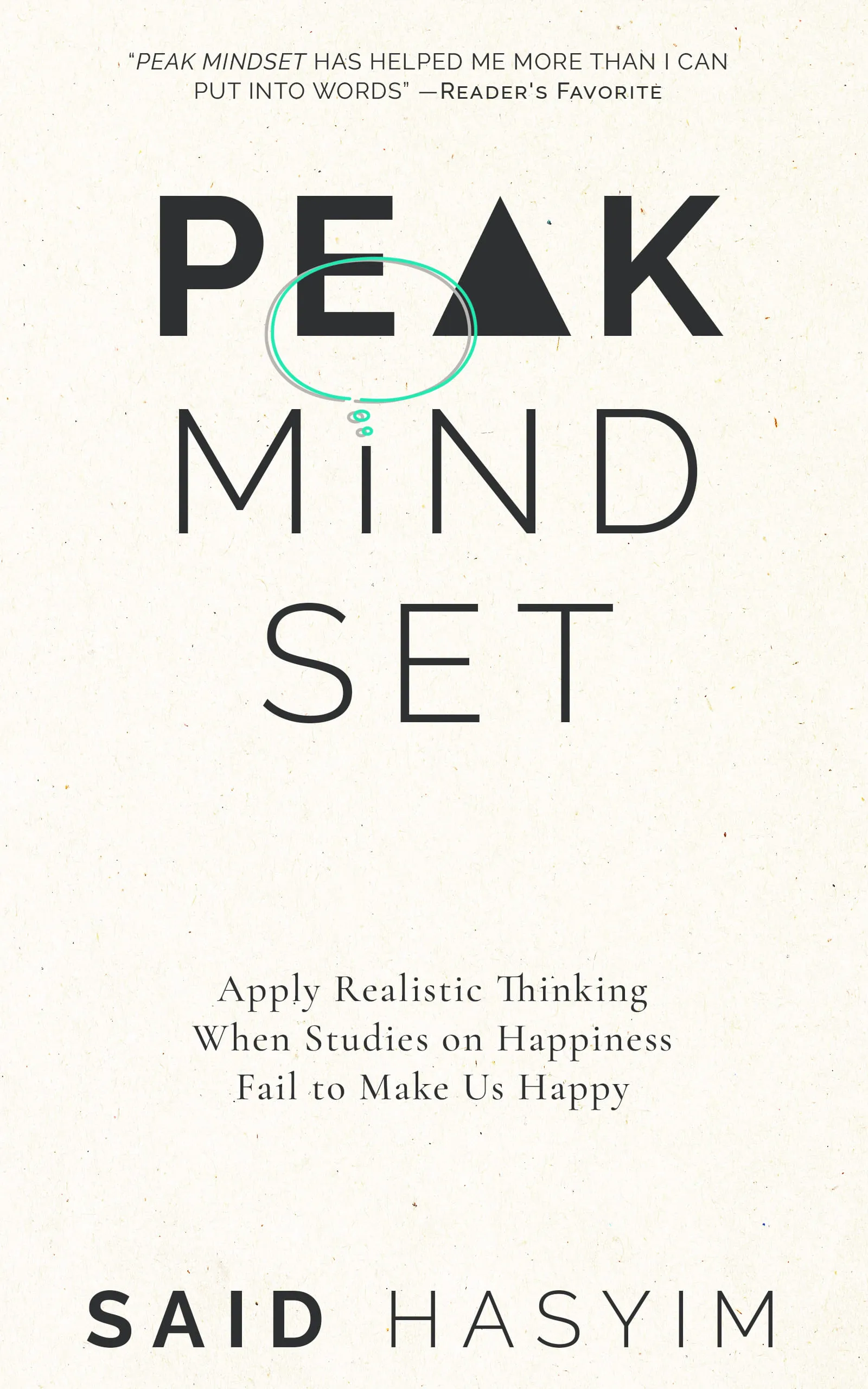
Leverage Your Mindset for a Fulfilling Life
Explore Peak Mindset, a book to leveraging your subconscious for a more fulfilling life. Gain insights into realistic thinking, money management, and stress resilience to make informed decisions. Discover pitfalls in conventional happiness advice and practical strategies for self-transformation. Unlock your potential and enhance your overall satisfaction.