Exercises to Strengthen Your Self-Control Muscles
Self-control is often described as a muscle — the more you use it, the stronger it becomes. Just like physical muscles, self-control requires practice and consistent effort to develop. Strengthening your self-control can lead to better decision-making, enhanced productivity, improved relationships, and a more fulfilled life. In this blog post, we will explore a variety of exercises designed to help you enhance your self-control capabilities.
What is Self-Control?
Self-control is the ability to regulate your emotions, thoughts, and behaviors in the face of temptations and impulses. It plays a crucial role in achieving long-term goals and maintaining healthy habits. Whether it’s resisting the urge to binge-watch your favorite show instead of studying, or avoiding unhealthy snacks when tempted, self-control is key to a balanced life.
Why Strengthen Self-Control?
Strengthening your self-control can bring about multiple benefits:
Better Decision-Making: Enhances your ability to make reasoned choices rather than succumbing to immediate gratification.
Increased Productivity: Helps you focus on tasks without being easily distracted.
Improved Relationships: Allows you to manage emotions and reactions more effectively.
Healthier Lifestyle: Encourages you to stick with exercise and healthy eating habits over time.
Exercises to Boost Self-Control
1. Meditation and Mindfulness
Meditation is an effective way to train your mind to focus and resist distractions. Mindfulness practice encourages awareness of your thoughts and feelings without judgment. Here’s how you can get started:
Begin with Breathing Exercises: Spend 5-10 minutes daily focusing on your breath. Inhale deeply through your nose, hold for a moment, and exhale slowly. Whenever your mind wanders, bring your focus back to your breath.
Progress to Guided Meditation: Use apps or online resources that provide guided meditations to enhance your practice over time.
2. Set Specific Goals
Setting clear and specific goals can guide your behavior, making it easier to exercise self-control. Follow these steps:
Define Your Goals: Write down what you want to achieve, such as losing weight, finishing a project, or saving money.
Break It Down: Divide your goals into smaller, manageable tasks. This will make it easier to maintain focus and motivation.
3. Practice Delayed Gratification
Delayed gratification is the ability to resist the temptation for an immediate reward in favor of a later reward. Here’s how to practice it:
Use the "10-Minute Rule": When you feel the urge to give in to temptation (like snacking or procrastinating), set a timer for 10 minutes. If you still want the reward after the timer goes off, you can indulge, but often the urge will fade.
Visualize the Long-Term Benefits: When faced with a temptation, take a moment to think about how giving in will affect your long-term goals.
4. Create Accountability
Holding yourself accountable can significantly enhance your self-control. Here are effective methods for creating accountability:
Find an Accountability Partner: Share your goals with a friend or colleague who can check in with you and offer support.
Use Social Media: Post about your goals on social media platforms. The public commitment can motivate you to stay on track.
5. Limit Temptations
In many instances, simply removing temptations can drastically improve your self-control. Consider implementing the following:
Out of Sight, Out of Mind: If you’re trying to eat healthier, avoid keeping junk food in your house. Instead, stock up on nutritious snacks.
Change Your Environment: If you struggle with procrastination, create a dedicated workspace that is free from distractions.
6. Physical Exercise
Regular physical activity can help boost your willpower and self-control. Here’s how to incorporate exercise into your routine:
Schedule Regular Workouts: Treat your workout sessions as unmissable appointments. Consistency will help develop your mental toughness.
Start Small: Even short bursts of physical activity, like a quick walk or a few minutes of stretching, can enhance your self-control.
7. Self-Reflection
Taking time to reflect on your behaviors and choices is crucial in strengthening self-control. Consider these techniques:
Keep a Journal: Write about your daily challenges around self-control, what strategies worked, and what you want to improve.
Review and Adjust: At the end of each week, review your successes and setbacks. Reflect on what contributed to your self-control or lack thereof.
8. Practice Gratitude
Cultivating a mindset of gratitude can also improve self-control by shifting your focus towards positivity. Here are some techniques:
Gratitude Journaling: Write down three things you are grateful for every day. This simple practice can enhance your overall mood and reduce impulsive behaviors.
Express Thanks: Take time to express gratitude to others. This strengthens relationships, which can contribute to your support system and enhance your self-discipline.
Conclusion
Strengthening your self-control is a gradual process that requires dedication and practice. By incorporating these exercises into your daily life, you can build resilience and foster self-discipline. Remember, just like physical muscles, self-control can grow stronger with use. Start small, stay patient with yourself, and celebrate your progress along the way.
Building self-control isn’t about perfection; it’s about consistency and the continued commitment to improve. The more you engage in these exercises, the more you’ll find yourself empowered to make choices that align with your long-term goals. Go ahead – start today, and flex those self-control muscles!
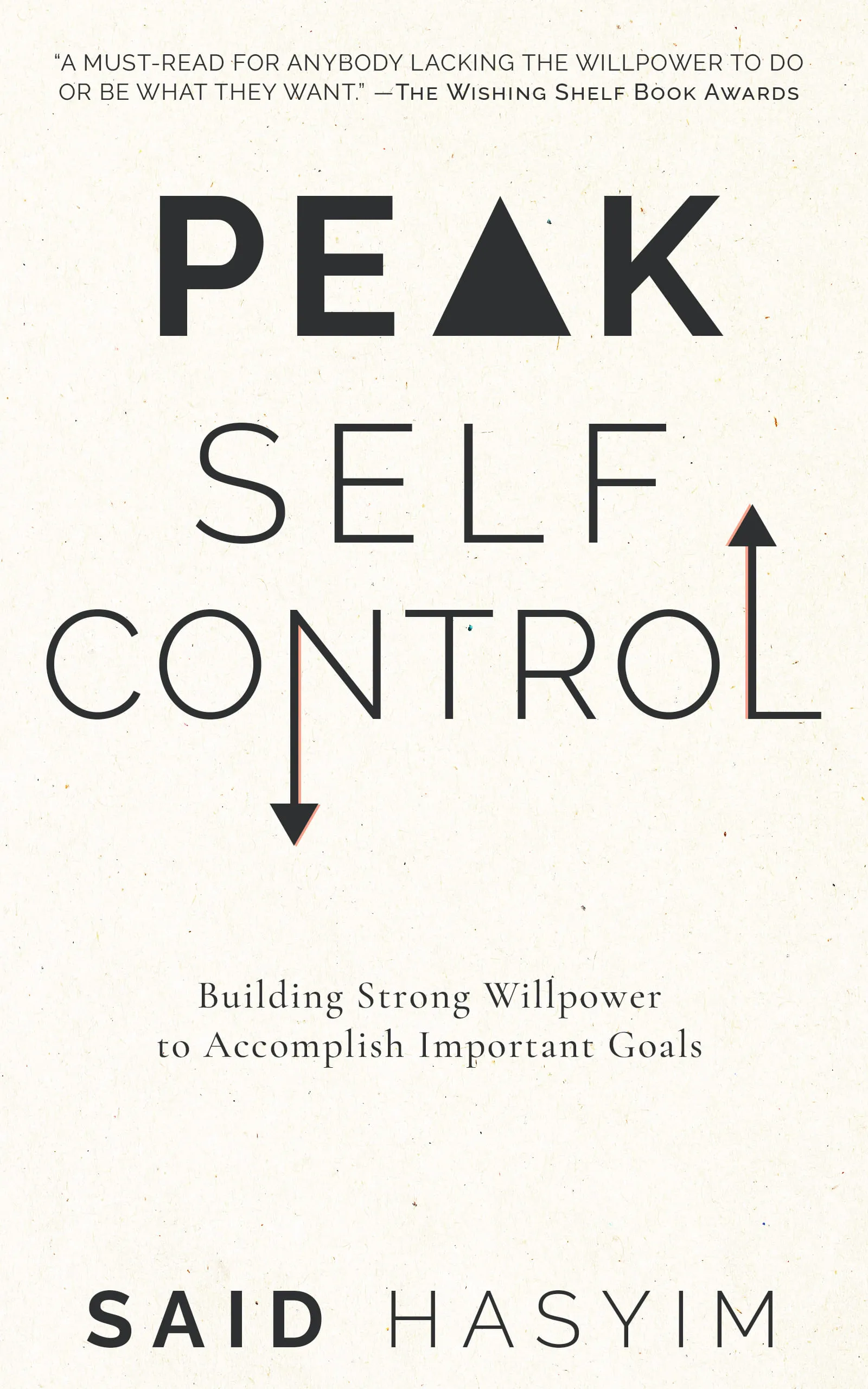
Start Mastering Self-Discipline Today
Discover Peak Self-Control, a practical book to mastering self-discipline. Break free from distractions, build healthier habits, and improve your relationships. Gain effective strategies to enhance your willpower and make meaningful life changes, even amidst a busy schedule. Small adjustments can lead to significant improvements in your daily routine.