Cognitive Flexibility: Navigating Your Memory Landscape
In the tapestry of human cognition, few threads are as vibrant as cognitive flexibility. This critical aspect of our mental function enables us to adapt our thinking and behaviors in response to new, changing, or unexpected circumstances. It allows us not only to respond to challenges but also to innovate and create in ways that can profoundly alter our personal and social landscapes. In this blog post, we will delve into the concept of cognitive flexibility, explore its connection with memory, and offer strategies for cultivating this skill in your everyday life.
Understanding Cognitive Flexibility
Cognitive flexibility can be understood as the ability to switch between thinking about different concepts or to think about multiple concepts simultaneously. This skill is crucial for tasks that require you to adjust your responses based on new information or different contexts. Cognitive flexibility is essential not only in day-to-day problem solving but also in social interactions, academic performance, and professional settings.
The Intersection of Memory and Cognitive Flexibility
At the heart of cognitive flexibility lies memory—the repository of our experiences, knowledge, and learned behaviors. Memory allows us to reference past scenarios, weigh choices, and anticipate outcomes. Cognitive flexibility can dramatically shape how we utilize our memory, as it enables us to reinterpret our stored information in a dynamic manner rather than relying on rigid thought patterns.
For instance, when faced with a problem at work, an individual with strong cognitive flexibility is more likely to recall a broader range of past experiences that can inform their approach to solving the issue. They might draw on unrelated experiences, interdisciplinary knowledge, or alternative strategies that they had previously learned. In contrast, someone with limited cognitive flexibility might become fixated on a single method or experience, potentially limiting their effectiveness.
The Benefits of Cognitive Flexibility
Cognitive flexibility extends its benefits across various aspects of life, including:
1. Enhanced Problem-Solving Abilities
The ability to consider multiple perspectives and adapt to new information helps in generating creative solutions to complex problems. This skill is not only valuable in academic and professional settings but in personal life decisions as well.
2. Better Emotional Regulation
Being cognitively flexible allows individuals to adjust their emotional responses based on the context. This adaptability is particularly valuable during conflicts or stressful situations, enabling better communication and resolution strategies.
3. Improved Learning Outcomes
In education, cognitive flexibility encourages students to approach subjects from different angles, promoting deeper understanding and retention of material. This multidimensional learning aids in transferring knowledge between disciplines.
4. Increased Resilience
Cognitive flexibility equips individuals with the ability to cope with change and adversity. By adapting one’s thoughts and behaviors, resilience becomes a natural response to unforeseen challenges.
Strategies to Cultivate Cognitive Flexibility
Now that we have explored the significance of cognitive flexibility, let's look at practical methods to enhance this skill.
1. Embrace New Experiences
One of the most effective ways to develop cognitive flexibility is to step outside of your comfort zone. This could involve learning a new skill, trying different cuisines, or engaging with individuals from varying backgrounds. Each new experience broadens your cognitive framework and introduces varied perspectives.
2. Practice Mindfulness and Reflection
Mindfulness encourages present-moment awareness and can significantly enhance cognitive flexibility. By being mindful, you can observe your thoughts without judgment and consider alternatives to your habitual responses. Reflection—thinking critically about past experiences and reevaluating them from different angles—also aids cognitive growth.
3. Challenge Your Assumptions
Take time to question your assumptions and beliefs. Engaging in debates or conversations with individuals who hold different viewpoints can provide you with insights that reshape your understanding and enhance your adaptability.
4. Utilize Cognitive Games
Engaging in activities that challenge your brain, such as puzzles, strategy games, or memory challenges, can help strengthen cognitive flexibility. These activities often require you to think critically and adapt your strategies based on changing scenarios.
5. Foster a Growth Mindset
Adopting a growth mindset—the belief that abilities and intelligence can be developed—encourages resilience and flexibility. Embrace challenges as opportunities to learn and grow, rather than viewing them as obstacles.
Navigating Your Memory Landscape
To navigate your memory landscape effectively, it’s essential to recognize the interplay between memory and cognitive flexibility. Our memories shape who we are, influencing our reactions, perceptions, and decisions. However, memories can also be deceptive, leading us to misinterpret past experiences or apply them inappropriately in new contexts.
Practical Tips for Memory Management
Stay Organized: Use apps or traditional notebooks to keep track of important tasks, ideas, and experiences. This organizational system allows you to easily access and adapt your memories based on current circumstances.
Visualize Your Experiences: Create mind maps or visual representations of your memories and experiences. This practice can help you see connections between different pieces of information, enhancing your cognitive flexibility.
Review Regularly: Periodically revisiting past experiences can help you see them in a new light. Reflection can reveal new solutions or insights that were previously obscured.
Conclusion
Cognitive flexibility is a gift that allows us to navigate our memory landscape with agility and grace. By understanding its importance and actively cultivating this skill, we can enhance our problem-solving abilities, emotional intelligence, and overall well-being. Just like a landscape that evolves with the seasons, our cognitive flexibility can be nurtured and expanded throughout our lives.
As you embark on your journey to enhance your cognitive flexibility, remember that each experience contributes to your unique memory landscape. Embrace the diversity of thoughts and ideas, and let them guide you through the complexities of life. By doing so, you'll not only adapt to the challenges you face but also discover new pathways for creativity and innovation that can enrich your existence.
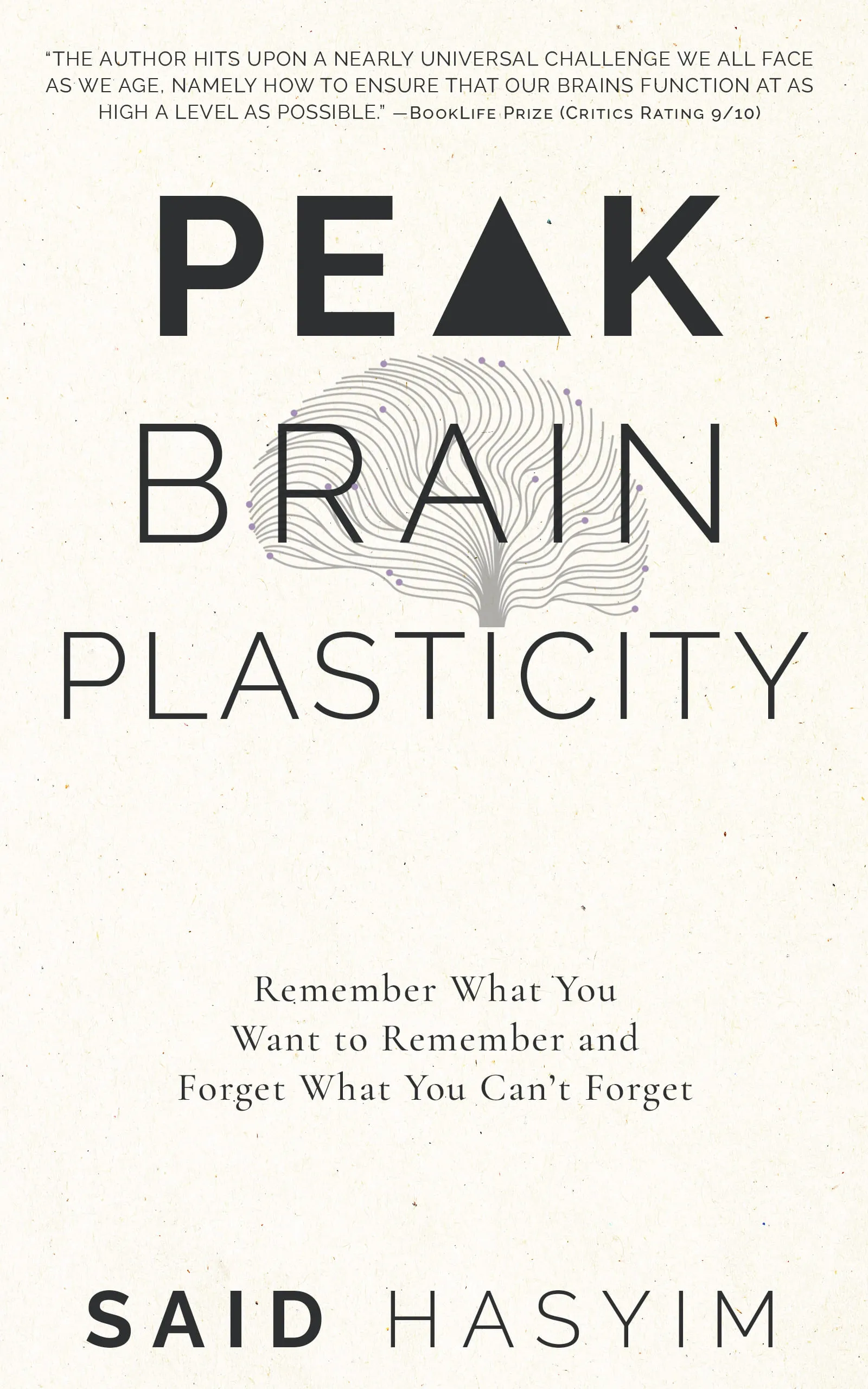
Harness the Power of Neuroplasticity
Discover Peak Brain Plasticity, a practical book to harnessing neuroplasticity. Enhance your memory, learn new languages quickly, and alleviate anxiety with effective study methods. Uncover daily habits that impact cognitive health and explore techniques for accelerated learning and memory retention. Unlock your brain's potential for growth and transformation.